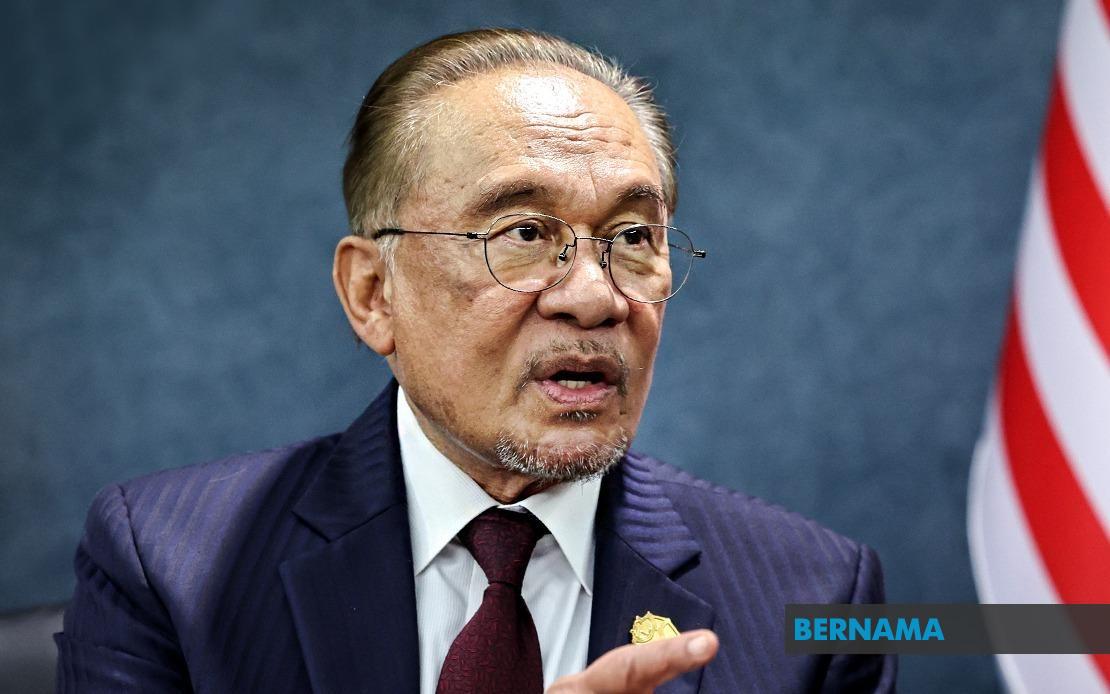
Prime Minister Datuk Seri Anwar Ibrahim extended congratulations to Senator Datuk Nur Jazlan Mohamed on his reappointment as Deputy Senate President for a second term, marking continued confidence in his leadership of the Dewan Negara's second chamber. The Prime Minister also recognized Musoddak Ahmad's reappointment as senator, acknowledging both figures' roles within Malaysia's legislative framework. These remarks came during parliamentary proceedings at the Dewan Negara, where Anwar took the opportunity to publicly affirm the government's support for the senators' ongoing contributions to the nation's governance structure.
Both Nur Jazlan and Musoddak formally assumed their positions following oath-taking ceremonies administered by Senate President Datuk Awang Bemee Awang Ali Basah. The ceremonial swearing-in represents a formal transition moment within Malaysia's upper house, which comprises appointed members who serve specified terms. The reappointment of Nur Jazlan to the deputy leadership position reflects the confidence placed in his stewardship, particularly given the significant responsibilities attached to overseeing Senate operations and coordinating with the lower chamber on legislative matters. His continued tenure in this role suggests institutional continuity during a period when Malaysia's political landscape continues to navigate various reform initiatives and governance challenges.
The Dewan Negara, Malaysia's upper legislative chamber, plays a constitutionally important function in reviewing and scrutinizing legislation passed by the Dewan Rakyat. Deputies to the Senate President occupy positions of considerable procedural importance, as they manage daily operations and preside over sittings when the President is unavailable. Nur Jazlan's reappointment underscores the government's commitment to maintaining experienced leadership within these critical institutional roles, which serve as counterweights to the more politically contentious dynamics of the lower house. The tenure of upper house leadership positions often extends across multiple parliamentary cycles, providing institutional memory and procedural continuity that can prove valuable during periods of legislative reform or political transition.
Regional observers of Malaysian politics have noted that the composition and leadership of appointed bodies like the Senate reflect executive preference structures and coalition dynamics within government. The reappointment of both senators suggests alignment within the current administration regarding their performance and suitability for continued service. Malaysia's Senate comprises individuals appointed by the Yang di-Pertuan Agong on the advice of the Prime Minister and state governments, making these positions inherently political in character even though they operate outside direct electoral competition. Such appointments thus carry symbolic weight regarding the government's assessment of individual competence and political reliability.
Musoddak Ahmad's concurrent reappointment indicates broader satisfaction with Senate composition among the administration's leadership. While less prominent than the deputy presidency role, Senate membership itself carries legislative and advisory responsibilities that extend across numerous committees examining proposed legislation, constitutional matters, and governance issues. The reappointment of multiple senators simultaneously suggests scheduled term completions aligned with Malaysia's institutional calendar, though the exact renewal patterns remain matters of official procedure rather than public spectacle. These routine institutional processes often escape broader media attention unless they carry unusual political implications or controversy.
Anwar's public acknowledgment of these appointments during parliamentary Question Time indicates the Prime Minister's engagement with upper house operations and his willingness to recognize legislative chamber leadership publicly. Such remarks, while formulaic in nature, reinforce hierarchical relationships within Malaysia's parliamentary system and signal the government's continued emphasis on institutional coordination between chambers. The timing of these congratulations—delivered at the commencement of formal parliamentary proceedings—follows established protocol for acknowledging significant appointments and ceremonial transitions within legislative business.
Apart from formal recognition of the senators' reappointment, Anwar's remarks included lighter commentary regarding international sporting events, specifically referencing Spain's 2026 FIFA World Cup victory. According to the Prime Minister's observations, Spain defeated Argentina in the tournament final by a margin of one goal, with Spanish forward Ferran Torres scoring the decisive goal in the 106th minute of the match played at MetLife Stadium in East Rutherford. Argentina's challenge was complicated by a red card dismissal of midfielder Enzo Fernández during the contest, reducing the defending champions to ten players. Such sporting references by political leaders often serve to humanize formal proceedings and create moments of levity within otherwise procedurally intensive parliamentary sessions.
The incorporation of international sports commentary within parliamentary remarks reflects broader global engagement by Malaysian political leadership and acknowledges the widespread passion for football across diverse populations throughout Southeast Asia. Football represents one of few genuinely universal languages spanning cultural, political, and socioeconomic boundaries, making sports references accessible touchstones for public communication. Anwar's declared support for Spain within the parliamentary context provides informal insight into the Prime Minister's personal interests while simultaneously demonstrating comfort with informal discourse during formal legislative proceedings. Such moments humanize political leadership while maintaining appropriate dignity within the chamber.
The reappointment cycle within Malaysia's Senate operates according to constitutional schedules and formal procedural requirements that extend beyond day-to-day political considerations. While these processes receive less public scrutiny than elections or dramatic parliamentary votes, they constitute essential elements of Malaysia's institutional architecture. The successful reappointment of experienced legislators like Nur Jazlan contributes to legislative continuity and procedural expertise that enables the Dewan Negara to fulfill its constitutional mandate effectively. Malaysian readers should recognize that upper house renewal processes, though administratively routine, carry significant implications for legislative capacity and institutional effectiveness across parliamentary cycles spanning years.

