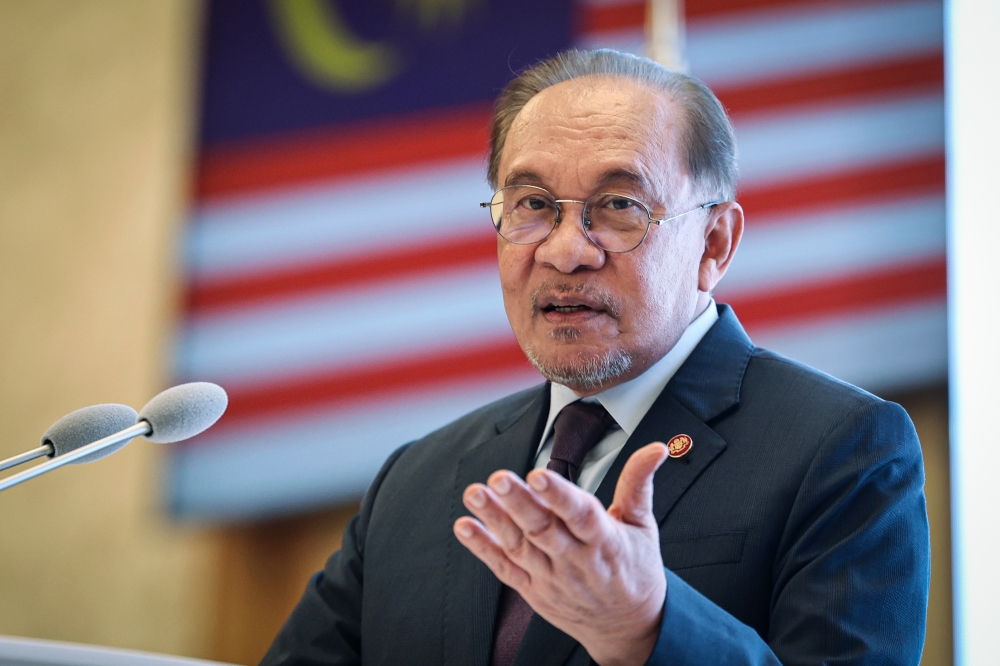
Prime Minister Datuk Seri Anwar Ibrahim has publicly acknowledged the outpouring of support and prayers from Malaysians concerned about his recent health matters, signalling his continued engagement with governance despite personal challenges. The gesture underscores the widespread public interest in the wellbeing of the nation's chief executive, reflecting the deeply personal connection that many Malaysians maintain with their leadership.
The Prime Minister's expression of gratitude comes at a pivotal moment for the federal government, as Parliament gears up for a specially convened session dedicated to examining findings from the Royal Commission of Inquiry into Tabung Haji. This unusual parliamentary arrangement indicates the gravity with which the administration views the matter and the imperative to provide substantive answers to lawmakers and the public regarding Malaysia's largest pilgrimage fund.
Tabung Haji, formally known as Lembaga Tabung Haji, remains one of the nation's most significant financial institutions, having accumulated and managed the savings of millions of Malaysian Muslims preparing for the hajj pilgrimage to Mecca. The establishment of a Royal Commission to investigate the fund represents an unprecedented step, suggesting that governance concerns or financial irregularities warranted independent scrutiny at the highest level. Such investigations typically address systemic issues that touch the interests of hundreds of thousands of account holders nationwide.
The decision to dedicate a special parliamentary sitting exclusively to this matter demonstrates the priority assigned to transparency and accountability in how the fund has been administered. Rather than allowing the RCI findings to be absorbed into routine parliamentary business, the government has chosen to elevate the discussion, permitting extended debate and detailed questioning from members across the political spectrum. This approach provides opportunity for thorough examination of any recommendations emerging from the inquiry.
For many Malaysians, particularly those with long-standing accounts in Tabung Haji, the RCI report carries direct personal significance. Pilgrims and their families depend on these accumulated funds to finance one of Islam's Five Pillars, making the integrity and proper management of the institution a matter of religious importance alongside financial concern. Any findings suggesting mismanagement or governance failures would carry weight beyond ordinary corporate scandals.
The timing of this special sitting reflects operational normalcy returning to parliamentary affairs, with the Prime Minister resuming his full duties. Anwar's acknowledgement of public concern and his pivoting to substantive governance matters suggests continuity in the administration's legislative agenda despite the distraction of health-related absences. The ability to schedule and conduct such a session demonstrates functional stability within the government.
Parliament's willingness to convene specially for this matter speaks to the cross-party recognition that the Tabung Haji situation warrants serious attention. Regardless of political affiliation, lawmakers share responsibility to scrutinise public institutions and ensure they serve their intended beneficiaries effectively. The RCI process itself, having been completed, now transitions to the crucial phase of implementation and parliamentary accountability.
The special sitting will likely permit detailed questioning about the RCI's methodology, its findings, and the government's intended response to any recommendations. Opposition members will have opportunity to probe whether governance failures occurred and what remedial steps the government plans to take. Government backbenchers may seek clarification on technical matters affecting their constituents who hold Tabung Haji accounts.
This parliamentary session also provides the government with a platform to demonstrate responsiveness to the RCI findings and commitment to restoring confidence in the institution. How the administration addresses criticisms or concerns raised during the session will significantly influence public perception of the government's governance standards and its seriousness about institutional accountability.
For Southeast Asian observers, Malaysia's handling of this situation carries implications for institutional confidence more broadly. The region has witnessed varying approaches to investigating and addressing governance concerns in large public institutions. Malaysia's decision to establish a Royal Commission and subsequently provide parliamentary debate represents one model of accountability, potentially influencing how neighbouring governments approach similar situations.
The special sitting represents an opportunity for Parliament to fulfill its fundamental democratic function of holding the executive accountable to public institutions. The focus on Tabung Haji provides a test case for how the Malaysian parliament exercises this responsibility when presented with findings from independent inquiries into major public institutions. The quality and substance of debate during the session will indicate the health of parliamentary scrutiny mechanisms.
As the nation moves toward this special sitting, the Prime Minister's return to full public engagement and his expression of gratitude to supporters demonstrate organisational resilience within government. The ability to manage both personal health considerations and demanding governance responsibilities while maintaining transparency with parliament and the public reflects institutional maturity, even as substantive questions about Tabung Haji's management await thorough parliamentary examination and public explanation.

