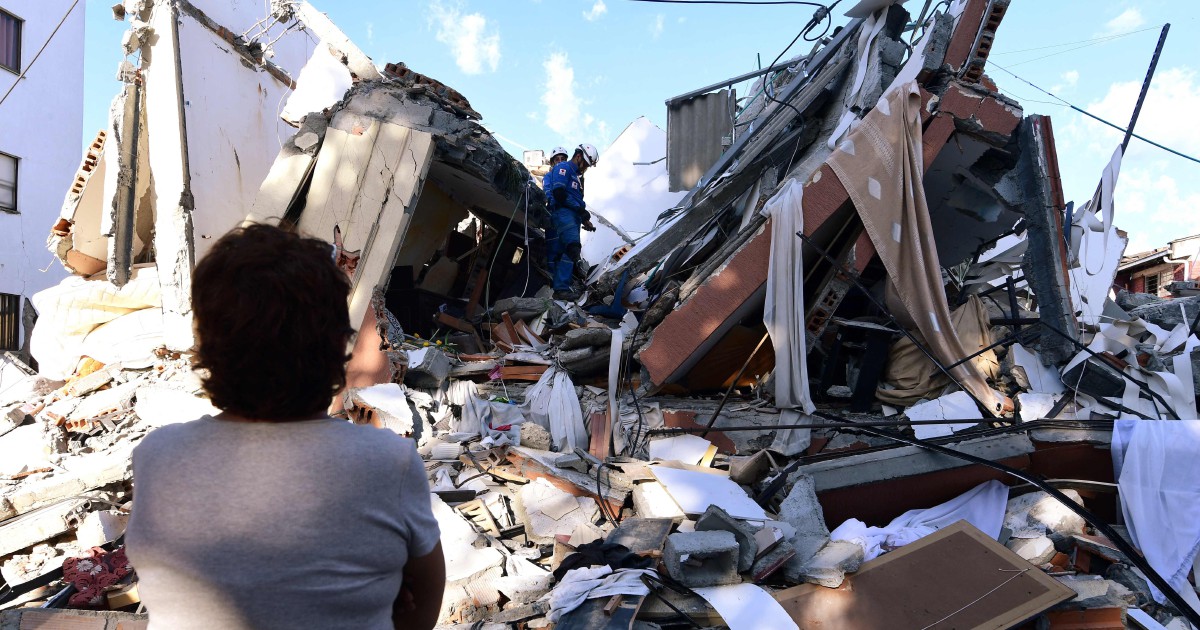
Prime Minister Datuk Seri Anwar Ibrahim has reached out with heartfelt condolences to bereaved families in Colombia after a severe earthquake devastated the nation's western region. The expression of sympathy from Malaysia's leader underscores the international community's concern for the affected population and reflects the diplomatic bonds maintained between the two nations despite their geographical distance.
Seismic events of significant magnitude across the Americas serve as stark reminders of the unpredictable natural forces that transcend borders and affect communities worldwide. Western Colombia, a region encompassing parts of the country's Pacific coastal areas and interior mountain zones, proved vulnerable to the tremors that struck without warning. The impact on civilian populations, infrastructure, and critical services has prompted global acknowledgement of the humanitarian situation unfolding on the ground.
Malaysia's gesture through its highest political office signals the nation's commitment to expressing solidarity with countries facing natural disasters and humanitarian challenges. Such diplomatic expressions carry weight beyond ceremonial courtesy, often paving the way for broader international cooperation in disaster relief and reconstruction efforts. Prime Minister Anwar's message represents a broader Malaysian approach to global affairs that emphasises empathy and mutual support among nations regardless of regional alignment.
Colombia has faced considerable challenges in recent years stemming from internal security concerns, economic pressures, and environmental vulnerabilities. A major earthquake compounds existing difficulties and diverts already stretched resources toward emergency response and recovery operations. The western regions affected typically host significant portions of the country's population and economic activity, meaning the ripple effects extend beyond immediate casualty figures to encompass longer-term economic and social disruption.
Earthquakes across Latin America occur with regularity given the region's position along multiple tectonic plate boundaries. Countries including Peru, Chile, and Ecuador have experienced major seismic events in recent decades, resulting in loss of life, displaced populations, and substantial infrastructure damage. Colombia's earthquake adds to this pattern of seismic vulnerability that characterises the entire Pacific Ring of Fire and surrounding regions, highlighting the need for robust disaster preparedness and early warning systems.
For Malaysia, which sits along different but still active geological zones, earthquakes in distant regions offer important lessons in disaster management and international crisis response. The 2004 Indian Ocean tsunami demonstrated how earthquakes in one region can have cascading effects across multiple countries. While Colombia's situation may not directly threaten Malaysian territory, understanding how neighbouring nations respond to such events informs Malaysia's own preparedness strategies and humanitarian response capabilities.
The role of international condolences and diplomatic engagement following disasters extends to encouraging coordinated relief efforts. Many countries provide humanitarian assistance, medical personnel, rescue teams, and financial support to earthquake-affected regions. Malaysia has participated in similar international relief operations following disasters in the region, particularly across Southeast Asia where geographical proximity enables rapid response and sustained support.
Communications from heads of government following major disasters often initiate broader engagement between nations. Prime Minister Anwar's outreach may facilitate discussions regarding potential Malaysian assistance, whether through established international organisations or bilateral channels. Such coordination proves critical in the immediate aftermath of earthquakes when search and rescue operations demand every available resource and expertise.
The Colombian government faces significant operational challenges in the coming weeks and months as it assesses damage, identifies victims, treats the injured, and begins reconstruction. International messages of support, while symbolic, contribute to the broader narrative that the affected nation does not face its crisis in isolation. For populations dealing with trauma, displacement, and loss, acknowledgement from global leaders reinforces the sense that the world recognises their suffering.
Malaysia's diplomatic corps and international relations framework emphasise the importance of maintaining cordial ties with nations across multiple continents and hemispheres. Expressions of sympathy during humanitarian crises represent one dimension of these broader relationships. Over time, consistent engagement during both ordinary times and crisis periods strengthens the diplomatic foundation that enables countries to cooperate on trade, security, environmental, and cultural matters.
The earthquake in western Colombia serves as another reminder of the planet's dynamic geological nature and the vulnerability of human civilisation to natural forces. From a Malaysian perspective, such events underscore the importance of investing in disaster resilience infrastructure, early warning systems, and international cooperation frameworks. The interconnected nature of the modern world means that a major earthquake in Colombia indirectly touches Malaysia through international news cycles, diplomatic channels, and humanitarian networks.
Looking ahead, the true measure of international response will emerge through sustained engagement and support during Colombia's recovery phase. Prime Minister Anwar's condolences represent the opening gesture of what hopefully becomes meaningful assistance from Malaysia and the broader international community, enabling the Colombian people to rebuild and restore stability to their affected communities.

