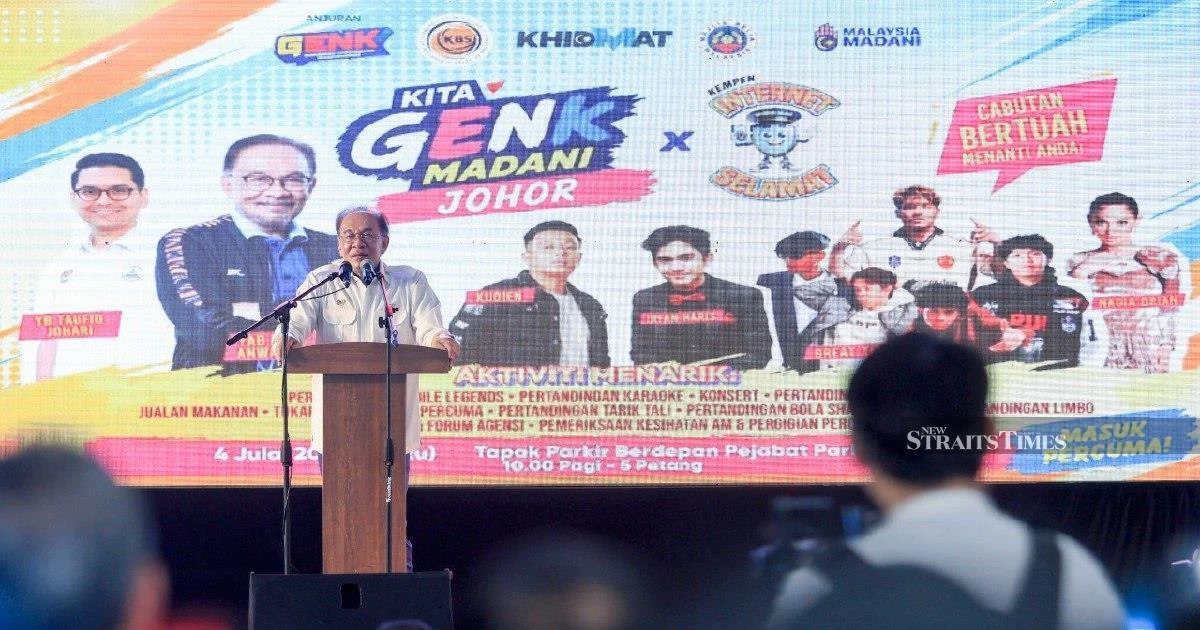
Pakatan Harapan chairman Datuk Seri Anwar Ibrahim has revealed an unconventional approach to managing the rigorous demands of his election campaign in Johor, attributing his stamina to the use of Tibetan ginseng. Speaking during a campaign appearance in Kulai, the senior political leader opened up about the herbal remedy he has been relying upon to sustain his energy through an exceptionally demanding schedule of political engagements across the state.
The disclosure sheds light on how veteran politicians balance the physical toll of campaigning — a reality that often goes unspoken in Malaysian politics. Conducting multiple public appearances, town halls, walkabouts, and evening rallies across different constituencies requires considerable endurance. For figures at Anwar's level, this obligation extends throughout the day and often into late evenings, leaving little room for conventional recuperation methods.
Tibetan ginseng, scientifically known as rhodiola, has been used for centuries in traditional medicine across Central and East Asian cultures. Unlike conventional Chinese ginseng varieties, which are warmer in temperament according to traditional classifications, Tibetan ginseng is prized for its ability to enhance stamina and mental clarity while causing minimal heating effects in the body. This makes it particularly attractive for individuals requiring sustained energy without the jittery sensations sometimes associated with stimulant consumption.
Anwar's openness about his reliance on traditional herbal supplements reflects a broader practice among Malaysian and Asian political leaders, who frequently draw upon culturally rooted wellness traditions. The revelation also underscores the understated physical demands placed upon senior politicians during election periods, particularly when leading nationwide campaign operations while maintaining parliamentary and party administrative responsibilities simultaneously.
The Johor election campaign represents a significant undertaking for Pakatan Harapan, given the state's historical importance within Malaysian electoral politics and its substantial number of parliamentary constituencies. For Anwar, who holds multiple leadership roles, the campaign requires him to serve simultaneously as chairman of the coalition, a senior parliamentary figure, and an active campaigner on the ground.
Traditional medicine practices remain deeply embedded within Malaysian society, particularly within older demographics and among those with philosophical inclinations toward natural wellness approaches. Public figures candidly discussing their use of herbal remedies or traditional treatments often resonate positively with voters who maintain similar health philosophies. Anwar's willingness to disclose this detail may also serve to humanise his public persona, presenting him as someone who navigates the same physical challenges that affect ordinary citizens, albeit at a more intensive scale.
The significance of this disclosure extends beyond mere personal wellness management. It indicates how senior political figures strategically maintain their capacity for public engagement during extended campaign periods. Unlike corporate executives or government officials who can distribute their workload through delegation, political leaders bearing the weight of nationwide coalition leadership must maintain visible presence and verbal capability across numerous public forums.
Ginseng consumption has historical precedent among Asian political and military leadership, with documented usage spanning multiple centuries. The herb's reputation for promoting mental alertness alongside physical stamina makes it particularly suited to the cognitive and endurance demands facing senior politicians who must articulate complex policy positions while navigating dynamic campaign environments.
Anwar's approach also reflects pragmatic health management during periods of elevated stress and irregular routines. Campaign schedules frequently disrupt normal sleep patterns, meal timing, and exercise routines — factors that collectively diminish physical resilience. Supplementing with traditional herbs offers a complementary strategy alongside whatever conventional health practices Anwar may maintain.
The campaign environment in Johor demands sustained engagement with voters across urban centres, rural communities, and suburban constituencies with distinct demographic profiles. This geographic and demographic diversity requires persistent verbal communication and high-energy presentation from campaign leadership. The physical toll accumulates across weeks of continuous campaigning, making reliable energy maintenance essential for maintaining campaign momentum and voter engagement quality.
Anwar's revelation normalises discussion around wellness strategies within Malaysian political discourse, traditionally an area of privacy among senior figures. This transparency may encourage voters to consider the physical sustainability of their political leaders, particularly given Malaysia's emphasis on age-appropriate governance and leadership vitality. Understanding how politicians maintain their capacity for public service provides voters with additional information for evaluating leadership viability.
The use of Tibetan ginseng specifically — rather than more commonly known ginseng varieties — suggests considered selection based on its particular properties. This discernment indicates consultation with wellness practitioners and reflects the sophistication of health management practices accessible to senior political figures. For Malaysian voters familiar with traditional medicine frameworks, the specificity of Anwar's choice may enhance credibility by demonstrating cultural rootedness and informed decision-making.
As Malaysian politics continues evolving toward increased scrutiny of leaders' health and capacity for sustained governance, discussions regarding wellness strategies gain relevance beyond personal interest. Anwar's openness about his campaign sustainability methods contributes to broader conversations about the physical demands of political leadership and the legitimate health considerations affecting senior officeholders during extended periods of intense public engagement.

