Prime Minister Datuk Seri Anwar Ibrahim was on track to be discharged from hospital on August 12 after completing his recovery from a planned surgical procedure, according to an announcement made by his wife Datuk Seri Dr Wan Azizah Wan Ismail. The head of government had undergone an elective laparoscopic intervention on the preceding Monday to address a para-umbilical hernia, a condition in which tissue protrudes through the abdominal wall near the navel.
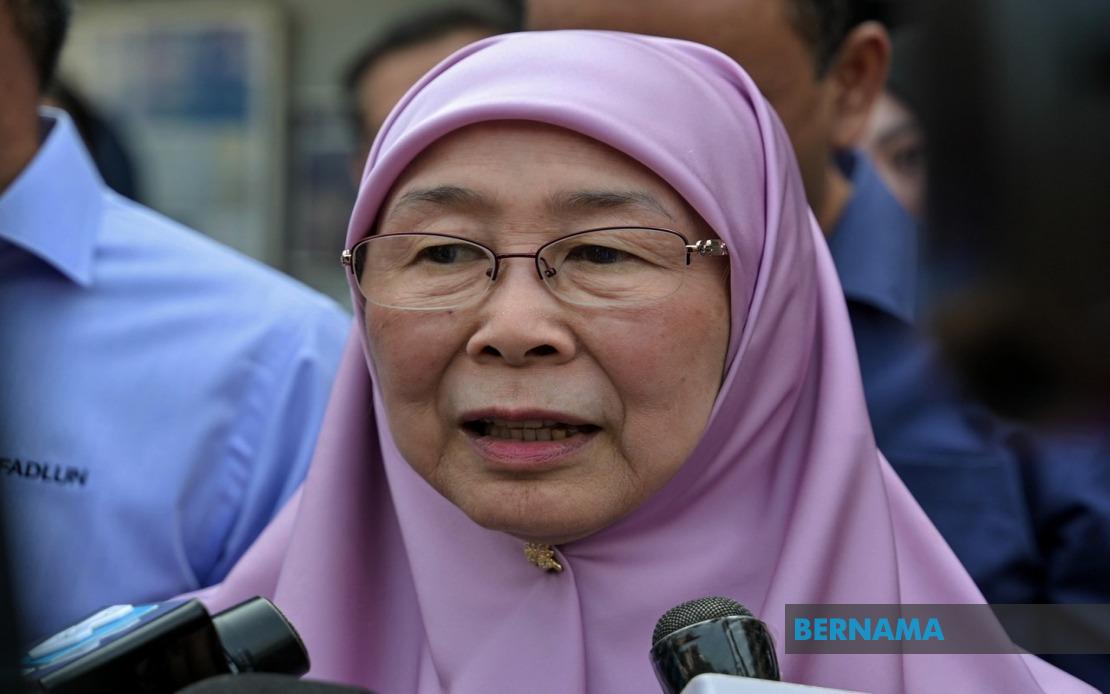
Dr Wan Azizah relayed her husband's gratitude to the public for their prayers and well-wishes directed towards his health restoration during his hospital stay. Speaking through a statement she provided to journalists, the Prime Minister conveyed his appreciation for the outpouring of support received from Malaysians during this period. Such expressions of public concern reflected the widespread interest in the wellbeing of the nation's leader, underscoring the personal connection many citizens maintain with the country's top political figure.
The Deputy Prime Minister made these remarks whilst participating in the Semarak Merdeka programme, an event organised to mark the commencement of the 2026 National Month celebrations. The function took place at the Bandar Tun Razak branch of the Kuala Lumpur City Hall, demonstrating that official national events continued as scheduled despite the Prime Minister's temporary absence. This continuity in government operations and ceremonial functions illustrated the institutional stability maintained by Malaysia's administrative structures even during periods when senior leaders require medical attention.
The surgical procedure Anwar underwent represents a routine intervention in modern healthcare, though one that still necessitates hospitalization and recovery time. Para-umbilical hernias, whilst not emergencies in most cases, can cause discomfort and potential complications if left untreated, making elective surgical correction a standard medical recommendation. The choice to proceed with the operation reflects a proactive approach to personal health management that many public figures undertake during periods when their schedules allow for planned medical procedures.
Laparoscopic surgery, the minimally invasive technique employed in the Prime Minister's case, typically results in shorter recovery periods compared to traditional open surgical approaches. This surgical method involves small incisions through which specialised instruments and a camera are inserted, allowing surgeons to visualise and repair the hernia with reduced tissue trauma. The choice of this technique suggested that medical professionals anticipated a relatively straightforward recovery trajectory, lending credibility to the expectation of a same-week discharge.
The incident provided Malaysian citizens with insights into how the nation's health infrastructure manages high-profile medical cases. Despite the prominence of the patient, standard protocols for surgical care and recovery appear to have been followed, suggesting confidence in Malaysia's medical capabilities amongst the country's leadership. Patients undergoing similar procedures in Malaysian hospitals would typically experience comparable timelines and quality of care, reflecting the standards maintained across the nation's healthcare system.
From a governance perspective, the communication strategy employed by the Prime Minister's office demonstrated transparency in medical matters affecting public figures. Rather than allowing speculation or misinformation to circulate, Dr Wan Azizah's direct statements to media representatives ensured accurate information reached the public promptly. This approach contrasted with previous historical instances in some countries where leadership medical issues were shrouded in secrecy, potentially fuelling unnecessary concern or conspiracy theories.
The timing of the surgical intervention, undertaken during what appears to be a period between major parliamentary sessions or significant national events, suggested careful scheduling by the Prime Minister's medical and administrative teams. This deliberate placement of elective procedures during less demanding political periods reflects standard practice amongst senior government officials across numerous democracies, allowing for recovery without compromising critical state functions.
For Southeast Asian observers and Malaysian political analysts, the episode underscored the importance of succession planning and institutional continuity in government. Whilst the Prime Minister's absence was temporary and non-critical, the smooth functioning of state ceremonies and administrative processes during this period demonstrated the resilience of Malaysia's governance structures. The event reminded stakeholders that modern democracies maintain sufficient institutional depth to continue operations during periods when individual leaders require medical attention.
Looking forward, the Prime Minister's return to full duties would likely occur without significant disruption to scheduled government activities or policy implementation. Such routine medical procedures affecting national leaders, when managed transparently and efficiently, typically generate minimal long-term impact on governance or international relations. The incident exemplified how contemporary leaders balance personal health requirements with public responsibilities, maintaining both personal wellbeing and governmental stability simultaneously.

