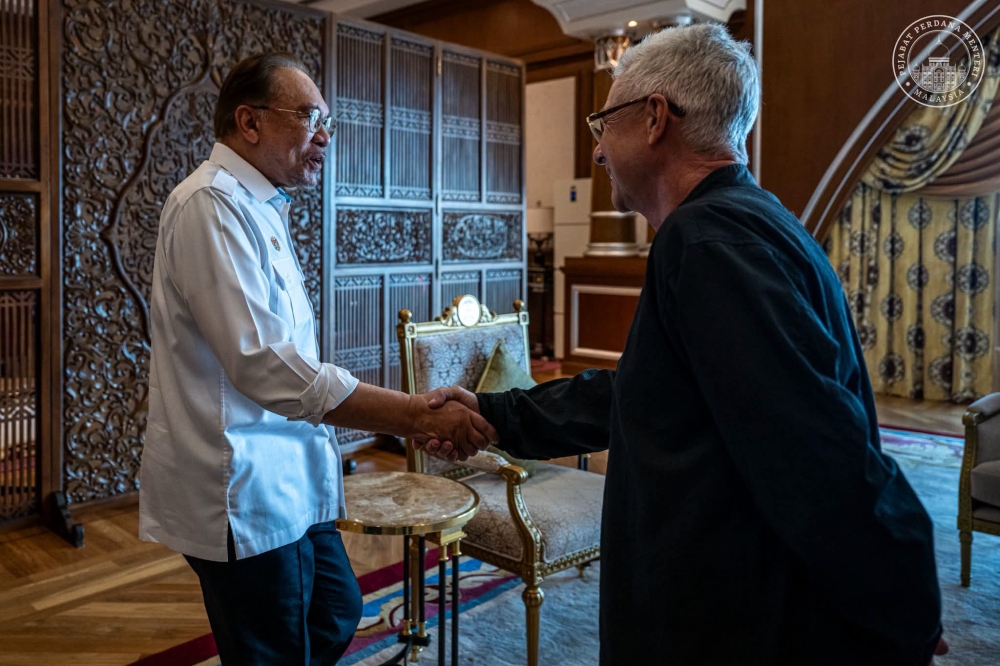
Prime Minister Datuk Seri Anwar Ibrahim met with the chief executive of the Singapore Grand Prix on Tuesday, signalling renewed momentum in Malaysia's bid to restore Formula 1 racing to the Sepang International Circuit after a decade-long absence. The engagement underscores the government's determination to revive one of Asia's most prestigious motorsport events and position Malaysia as a key hub for international sporting spectacles in Southeast Asia.
The Sepang circuit, located approximately 70 kilometres south of Kuala Lumpur, last hosted the Malaysian Grand Prix in 2017 before financial constraints and competing priorities led to the race's discontinuation. The absence of Formula 1 from Malaysia's calendar represented a significant loss not only in sporting prestige but also in tourism revenue and global media exposure. The circuit itself remains among the world's most sophisticated racing venues, having been purpose-built in 1999 and extensively upgraded over its operational years to meet international standards.
Direct engagement between the Prime Minister's office and Singapore Grand Prix organisers carries considerable symbolic weight. Singapore's Grand Prix, held annually on the Marina Bay street circuit, has become one of Formula 1's marquee events and a driver of considerable economic activity for the city-state. By personally engaging with these decision-makers, Anwar demonstrated that Malaysia views the F1 revival not as a peripheral cultural ambition but as a central component of the nation's sporting and economic development strategy.
The timing of this meeting reflects Malaysia's broader efforts to attract high-profile international events that generate substantial economic multiplier effects. Major sporting events create employment across hospitality, transport, and security sectors while bringing foreign visitors and global media coverage that enhances a nation's international profile. For a country seeking to diversify its economic base and showcase its capabilities, hosting world-class motorsport remains an effective mechanism for projecting soft power and attracting international investment interest.
The Sepang circuit's infrastructure and technical specifications position it competitively within the global Formula 1 ecosystem. The venue has previously undergone significant renovations, and Malaysian officials have indicated willingness to undertake further upgrades necessary to meet current and projected F1 requirements. However, the financial burden of hosting such an event remains substantial, encompassing race organisation costs, circuit maintenance, security arrangements, and associated infrastructure development.
Geopolitical considerations also underpin Malaysia's aspirations regarding F1. As regional competitor Singapore maintains its Grand Prix prominence, Malaysia's absence from the Formula 1 calendar represents a relative sporting and economic disadvantage within Southeast Asia. The restoration of Malaysian Grand Prix would rebalance the region's motor sports profile and reaffirm Malaysia's capacity to stage world-standard sporting events alongside its regional peers.
From a promotional perspective, Formula 1's return to Sepang would generate approximately two to three weeks of sustained global media coverage, exposing Malaysia's tourism offerings, business environment, and cultural attractions to an audience numbering in hundreds of millions worldwide. The economic impact extends beyond race weekend itself, driving hotel bookings, restaurant revenues, and retail sales while creating permanent employment opportunities in event management and related services.
The diplomatic dimension of Anwar's meeting should not be overlooked. Personal engagement by the Prime Minister signals government commitment at the highest level and demonstrates to Formula 1's international stakeholders that Malaysia possesses the political will and institutional capacity to deliver on complex hosting obligations. Such signals matter considerably in international sports diplomacy, where host nation reliability and political stability influence selection decisions.
However, substantial obstacles remain. The financial investment required for race operations, circuit upgrades, and supporting infrastructure runs into hundreds of millions of ringgit. Formula 1 organisations typically demand comprehensive warranties regarding payment security and infrastructure completion timelines. Malaysian officials must therefore demonstrate not only sporting ambition but concrete financial planning and transparent governance structures that instil confidence among international partners.
Regional dynamics also warrant consideration. The Formula 1 calendar increasingly emphasizes diversity and geographic spread, with recent additions including races in regions underrepresented in the championship. Malaysia's case for reinclusion rests partly on the circuit's existing quality and proven track record of successfully hosting world-class events, differentiating it from entirely new venues seeking inaugural races.
The conversation between Anwar and Singapore's Grand Prix leadership likely explored practical mechanisms for Malaysia's potential return, including calendar scheduling, financial arrangements, and technical specifications. Such discussions represent preliminary groundwork necessary before formal negotiations with Formula 1's governing body, the Fédération Internationale de l'Automobile, and the sport's commercial rights holder.
Looking ahead, Malaysia faces a complex negotiation process involving multiple stakeholders and substantial financial commitments. Yet Anwar's high-profile engagement suggests the government views Formula 1's restoration as sufficiently important to warrant sustained diplomatic and administrative effort. Whether these discussions translate into concrete progress toward Sepang's return to the Formula 1 calendar will depend on Malaysia's ability to overcome financial challenges, secure international partnership commitments, and navigate the competitive dynamics of global motorsport diplomacy.
For Malaysian sports enthusiasts and the broader region, the prospect of Formula 1's return to Sepang represents more than automotive competition—it symbolises national ambition, regional sporting stature, and Malaysia's determination to reclaim prominence on the world stage.

