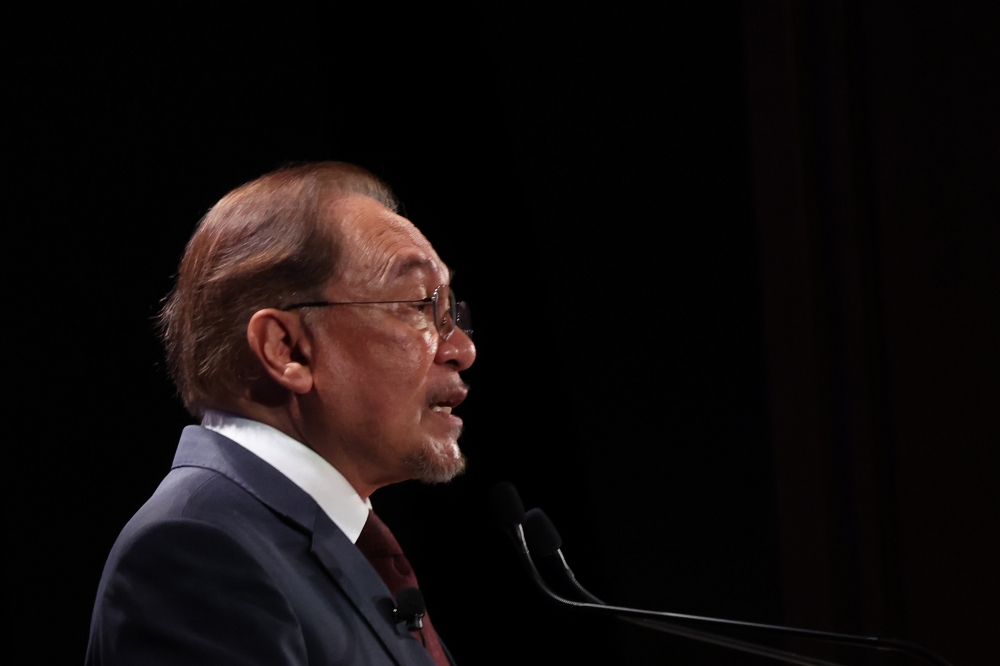
Prime Minister Datuk Seri Anwar Ibrahim has taken legal action against PAS deputy president Tuan Ibrahim Tuan Man, filing a defamation suit in response to what his legal team characterises as damaging and false allegations. The legal filing represents a significant flashpoint in the increasingly fractious relationship between Malaysia's government and the opposition Islamic party, which has become one of the most vocal critics of the current administration.
The suit was formally lodged in Kuala Lumpur, marking the Prime Minister's decision to pursue judicial remedies rather than rely solely on political responses to the contested statements. This approach signals Anwar's willingness to use the courts to defend his reputation and establish a legal precedent regarding accountability for what his representatives argue constitutes unfounded public accusations. The timing of the legal action comes amid broader political tensions that have characterised Malaysian politics in recent months.
Tuan Ibrahim, who holds one of the most influential positions within PAS as deputy president, has been a consistent figure in the party's opposition to the current government. The PAS leadership has positioned itself at the forefront of parliamentary criticism, frequently raising concerns about government policies and decisions. This latest legal dispute between the Prime Minister and the senior opposition figure underscores the hardening political divisions within Malaysia's legislative landscape.
The specific nature of the alleged defamatory remarks has become a focal point of discussion among political observers and legal experts alike. Such suits require demonstrating that statements were false, published, caused harm to reputation, and were made with varying degrees of negligence or malice depending on the plaintiff's status as a public figure. For a sitting Prime Minister bringing such action, courts typically apply stringent standards of proof, making the decision to pursue litigation a notable one.
PAS, as an Islamic political party with significant influence in several Malaysian states, has built its political brand partly on uncompromising stances toward government policies it views as contrary to Islamic principles or national interests. The party's deputy president has been instrumental in articulating these positions within parliament and through public statements. The conflict between Anwar's administration and PAS reflects deeper ideological and political differences that extend beyond personal disputes.
Defamation litigation involving high-ranking political figures carries substantial implications for public discourse in Malaysia. Such cases often generate intense media scrutiny, parliamentary debate, and public discussion about the boundaries of acceptable political speech. The outcome could influence how politicians calculate the risks and benefits of making strong public accusations against rivals, potentially reshaping the tenor of political discourse in the country.
The legal proceedings also raise questions about the intersection of parliamentary privilege and defamation law in Malaysia. Statements made within parliament typically enjoy protection that might not extend to remarks made outside legislative chambers. Courts will need to examine carefully where and in what context the alleged defamatory statements occurred, as this distinction carries significant legal weight.
For Malaysia's business and investor communities, political stability and institutional predictability are important considerations. Legal battles between senior government and opposition figures can create uncertainty about governance continuity and policy direction. The outcome of this suit could have ripple effects on political alignments, coalition stability, and the broader investment climate.
Regionally, the case illustrates continuing tensions within Malaysia's political system and the complex dynamics of its multi-party democracy. Neighbouring countries and international observers often view Malaysian political disputes as reflective of the nation's democratic maturity and institutional strength. How the courts handle this case will be scrutinised both domestically and internationally as a barometer of judicial independence and the rule of law.
The dispute also comes at a time when PAS maintains significant political leverage through state governments and parliamentary representation. This context makes the legal action particularly significant, as it involves parties with substantial institutional power rather than marginal political actors. The manner in which the conflict unfolds could influence PAS's calculations about its political positioning and relationship with the federal government.
As the case progresses through Malaysia's legal system, legal experts will closely monitor the court's handling of evidence, witness testimony, and arguments regarding the nature and impact of the alleged defamatory remarks. The judicial process will likely extend over an extended period, during which political dynamics in parliament and the broader political landscape may shift significantly.
The defamation suit represents a critical moment in Malaysian politics where personal grievances, political rivalry, and questions of institutional accountability intersect. Beyond the immediate legal outcome, the case will shape how political actors in Malaysia assess their public rhetoric and the legal consequences of making serious accusations against rivals. For ordinary Malaysians, the case underscores the ongoing tensions within their political system and the complex interplay between judicial processes and political competition.

