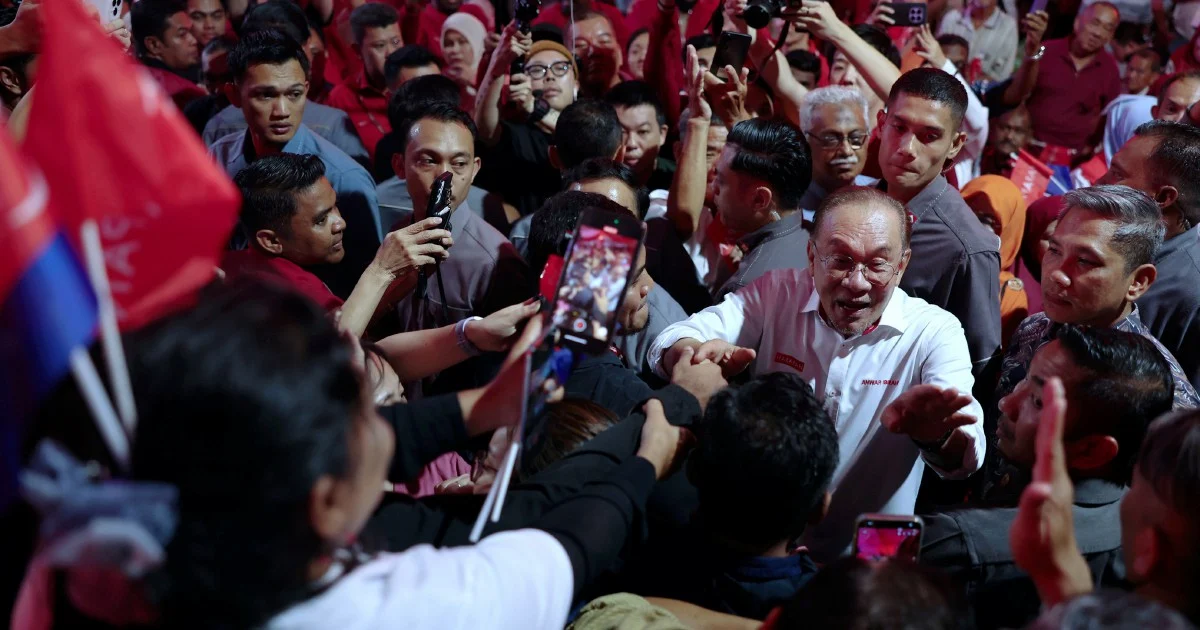
Pakatan Harapan unveiled its comprehensive roster of 56 candidates for the Johor state election scheduled for July 11, marking a decisive moment in the coalition's challenge to wrest control of peninsular Malaysia's most populous southern state. Party chairman Datuk Seri Anwar Ibrahim presided over the announcement in Tangkak, signalling the opposition's confidence and organisational readiness as polling day approaches. The full slate reveals the coalition's strategic calculations about which personalities, grassroots figures, and political veterans it believes can persuade Johor voters to abandon decades of ruling Barisan Nasional dominance.
The selection of candidates across the state's electoral divisions reflects careful deliberation about local dynamics, demographic shifts, and regional political sentiment. By presenting all 56 names simultaneously rather than rolling them out incrementally, Pakatan Harapan demonstrated unity among its component parties and a consolidated vision for governing the state. This unified announcement carries symbolic weight in a region where factional disputes have historically weakened opposition efforts and where Barisan Nasional has maintained tight control through patronage networks and institutional advantages spanning multiple decades.
For Malaysian political observers and analysts tracking the opposition's institutional development, the candidate selection process itself underscores how Pakatan Harapan has matured as a coalition entity. Unlike earlier iterations of opposition politics that often featured last-minute candidate disputes and inter-party tensions dominating headlines, this systematic rollout suggests strengthened coordination mechanisms and shared understanding about contesting strategy. The comprehensive slate announcement also provided the coalition with valuable media attention and an opportunity to frame its narrative about alternatives to incumbent leadership before Barisan Nasional mounted its own campaign messaging.
Johor's political significance extends beyond state boundaries. As the nation's third-largest economy and home to critical port facilities, petroleum infrastructure, and manufacturing hubs that feed into regional supply chains, the state's governance directly affects broader Malaysian economic performance. An opposition victory would reshape federal political mathematics and potentially influence national policy directions across multiple portfolios. Conversely, a Barisan Nasional consolidation would reinforce the incumbent coalition's claim of sustained voter endorsement and validate its governing approach in a key economic jurisdiction.
The Johor election occurs within a specific temporal context affecting voter sentiment and campaign dynamics. Economic pressures on household incomes, inflation concerns, and debates about public service efficiency have generated meaningful discontent even in traditionally supportive constituencies. Pakatan Harapan's candidate selection appears designed to address these grievances through individuals positioned as credible and responsive to constituency concerns. The coalition's strategy likely involved identifying candidates with demonstrable track records in addressing local issues, whether through previous service in local governments, community organisations, or private sector experience.
Geographic variations within Johor introduce complexity to electoral calculations. Coastal constituencies with port-dependent economies face distinct challenges from rural agricultural areas, while urbanised zones around Johor Bahru confront rapid demographic change and infrastructure pressures. Each candidate selection reflects judgments about which personalities can articulate relevant solutions within their specific electoral contexts. This granular approach to candidate deployment indicates sophisticated campaign thinking rather than a generic one-size-fits-all approach.
The opposition coalition's ability to field a complete and reasonably competitive slate across all contested seats represents organisational achievement worth noting, particularly given historical patterns of candidate recruitment difficulties. Pakatan Harapan successfully convinced 56 individuals to accept nomination, submit to vetting processes, and campaign under the coalition banner in a state where Barisan Nasional possesses structural advantages and entrenched political machinery. This recruitment capacity reflects genuine grassroots mobilisation and suggests meaningful enthusiasm among potential candidates for contesting what many observers regard as challenging electoral terrain.
Anwar Ibrahim's personal involvement in the candidate announcement carried additional significance beyond ceremonial functions. As coalition chairman and federal opposition leader, his presence communicated top-level commitment to the Johor contest and signalled that the slate received scrutiny from senior leadership. This level of engagement can influence media coverage, voter perception of campaign seriousness, and internal party morale among candidates preparing for intensive electoral campaigns. The Tangkak venue selection, positioned centrally within the state, reinforced symbolism of comprehensive statewide engagement rather than concentration on urban strongholds.
Comparing Pakatan Harapan's candidate roster with Barisan Nasional's eventual selections will reveal contrasting strategic priorities and risk calculations. Some constituencies will feature high-profile incumbent politicians defending seats, others will showcase relatively unknown quantities attempting to break through in competitive districts, and some may witness internal coalition shuffling as component parties negotiate seat allocations. These dynamics will play out across the state's diverse constituencies between now and voting day, generating specific policy discussions and localised campaign narratives.
The candidate announcement timing allows sufficient campaign runway for Pakatan Harapan to conduct voter outreach, media engagement, and grassroots organising before the July 11 polling date. Opposition machinery must capitalise on early momentum to establish message penetration, counter Barisan Nasional counter-narratives, and mobilise supporters often less reliably engaged than incumbent supporters benefiting from administrative resources and patronage networks. Early candidate revelation provides the coalition bandwidth to develop candidate profiles, highlight policy proposals, and construct persuasive narratives about governance alternatives.
For Southeast Asian observers following Malaysian democratic practice, the opposition coalition's systematic approach to electoral competition demonstrates institutional learning and consolidation of opposition politics as a viable alternative to single-party dominance. Whether voter sentiment aligns with Pakatan Harapan's calculated positioning will determine whether the candidate slate translates into meaningful seat gains or faces the disappointment of another electoral reversal. The July 11 Johor election will provide crucial data about whether peninsular Malaysian voters increasingly consider competitive two-coalition politics as legitimate, normal governance reality rather than occasional disruptions to presumed permanent ruling party control.