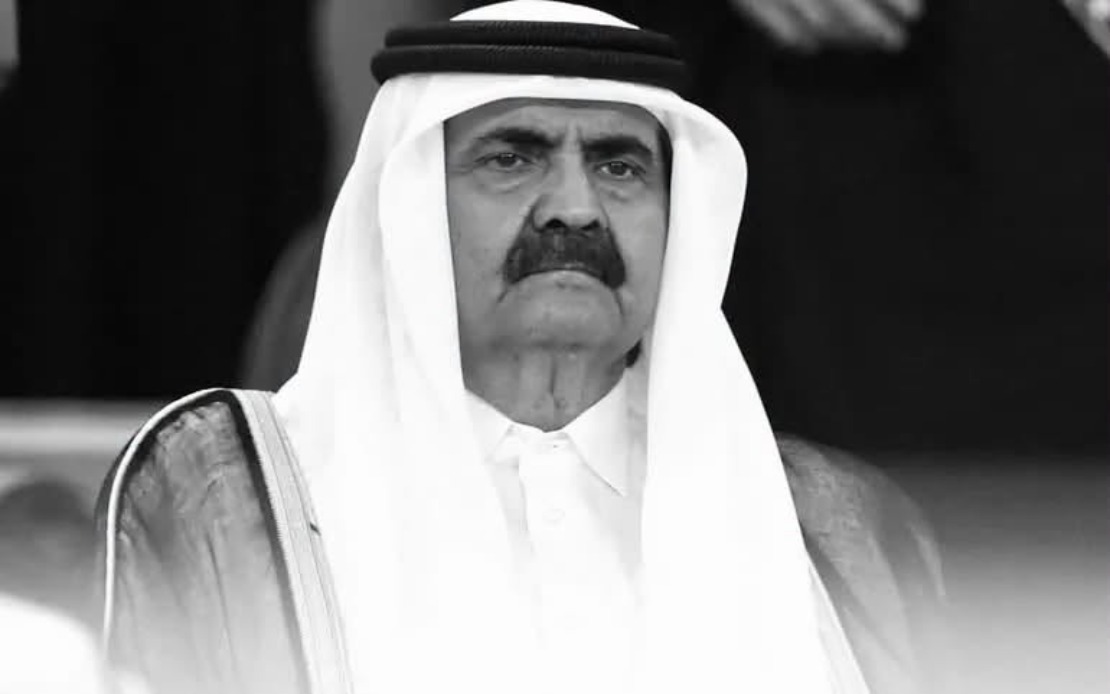
Prime Minister Datuk Seri Anwar Ibrahim has expressed Malaysia's deepest sympathy to Qatar's ruling family and people following the death of Sheikh Hamad bin Khalifa Al Thani, the nation's former leader who shaped the Gulf state into a global economic and political powerhouse. The Father Amir, as he is known in Qatar, passed away on Sunday morning at the age of 74, according to an announcement from Qatar's Amiri Diwan, prompting expressions of grief from world leaders and dignitaries across the Muslim world.
Anwar, speaking through a social media post, emphasised Sheikh Hamad's transformative impact on Qatar during an 18-year tenure as Amir spanning from 1995 to 2013. Under his stewardship, the country experienced substantial economic expansion that fundamentally altered its regional standing and international influence. Qatar's emergence as a key player in global affairs—whether through sovereign wealth investment, energy exports, or diplomatic initiatives—can be traced directly to the vision and policies implemented during Sheikh Hamad's leadership, which positioned the nation as more than a peripheral Gulf state.
The Malaysian Prime Minister highlighted what he characterised as an exceptional demonstration of political wisdom in 2013, when Sheikh Hamad voluntarily relinquished power to his son, Sheikh Tamim bin Hamad Al Thani, then the sitting Amir to whom condolences have now been directed. This peaceful transfer of authority to the next generation stood out as a notable instance of statesmanship, particularly in a region where succession questions have occasionally generated instability or tension. Anwar's recognition of this act underscores its significance as a model of orderly governance within monarchical systems.
Beyond economic metrics, Sheikh Hamad cultivated Qatar's reputation as a responsible regional actor and a voice championing Muslim interests on the international stage. His diplomatic endeavours helped cement the country's role in mediation efforts and peace-building initiatives across the Middle East and beyond. The strategic investments made during his era—ranging from major infrastructure projects to cultural institutions—laid foundations that continue to define Qatar's contemporary profile.
Anwar characterised Sheikh Hamad as a steadfast friend to Malaysia, reflecting the broader bilateral relationship between the two nations. Malaysia's significant diaspora population in Qatar, coupled with growing economic and educational ties, means that the passing of such a prominent figure carries particular resonance for Malaysians and the government in Kuala Lumpur. The relationship extends beyond commerce; it encompasses religious and cultural dimensions that have been nurtured over decades through both formal diplomatic channels and people-to-people connections.
The former Amir's influence extended throughout the Islamic world, where he was respected as a leader who championed Muslim causes while maintaining pragmatic engagement with international partners. His efforts to position Qatar as a bridge between different civilizations and interest groups reflected a sophisticated understanding of geopolitics during a tumultuous period in Middle Eastern affairs. This approach earned him considerable standing among Muslim-majority nations, including Malaysia, where recognition of such principled leadership carries weight.
For the region and for Southeast Asian nations like Malaysia with significant interests in the Gulf, Sheikh Hamad's passing represents the end of an era. His successor, Sheikh Tamim, has continued many of his father's policies while also charting new directions—most visibly through hosting the FIFA World Cup in 2022 and maintaining Qatar's position as a major economic and diplomatic player. The transition of power in 2013 ensured continuity of governance while allowing for generational renewal.
Anwar's condolences, expressed in both English and through Islamic devotional language, reflect the spiritual and diplomatic dimensions of Malaysia's relationship with Qatar. The invocation of Islamic prayers for the deceased and comfort for the bereaved family demonstrates the shared religious framework through which Malaysia approaches such occasions. For Malaysian Muslims and the broader Islamic community, Sheikh Hamad's legacy encompasses not only economic development but also his efforts to champion Islamic interests internationally during a period of considerable geopolitical complexity.
The death of Sheikh Hamad also prompts reflection on the broader trajectory of Gulf state development over the past three decades. Qatar's transformation from a modest petroleum producer into a diversified economy with global investments represents one of the most significant economic stories of recent times, with Sheikh Hamad's vision and leadership at its centre. As Malaysia navigates its own development challenges and regional positioning, the example of strategic long-term planning exemplified by Qatar's evolution under his leadership offers lessons relevant to policymakers in Kuala Lumpur.
Looking ahead, the relationship between Malaysia and Qatar under Sheikh Tamim's continued leadership will likely remain strong, built on the foundations established during his father's tenure. The bilateral ties encompassing trade, investment, education, and religious cooperation are expected to deepen further, particularly as Southeast Asian nations seek to strengthen engagement with the Gulf region. Sheikh Hamad's legacy thus extends beyond Qatar's borders, shaping the geopolitical landscape within which Malaysia and other regional players operate.

