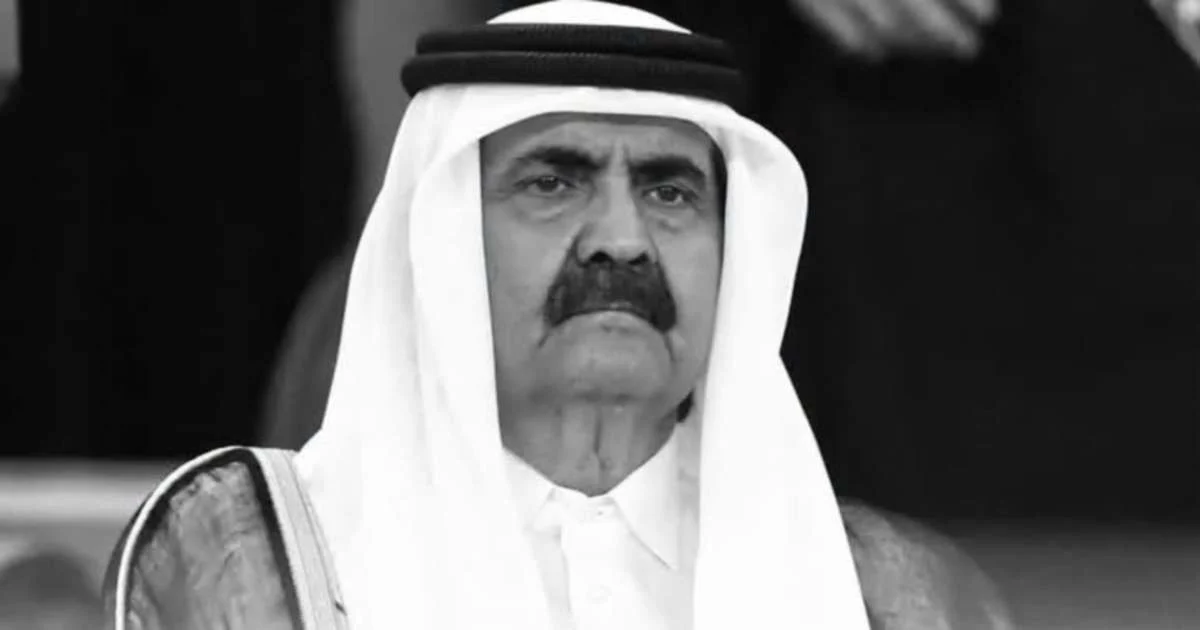
Prime Minister Datuk Seri Anwar Ibrahim has offered Malaysia's heartfelt condolences to the Qatari government and its people following the death of Sheikh Hamad bin Khalifa Al Thani, the Gulf nation's former leader, who passed away at the age of 74.
The expression of sympathy from Malaysia's top political leadership underscores the close diplomatic relationship maintained between the two nations across the Arabian Peninsula and Southeast Asian region. Anwar's gesture follows established protocol whereby heads of government acknowledge significant losses among their international partners, particularly when such individuals held prominent positions shaping their nation's recent history.
Sheikh Hamad bin Khalifa Al Thani's passing marks the end of an era for Qatar, a country that has undergone dramatic transformation since his reign. His decades in power witnessed the nation's emergence as a regional economic powerhouse, fundamentally reshaping its international standing and influence across the Middle East. The former emir presided over Qatar during pivotal developments that would eventually position the nation as a major player in global affairs.
The Gulf state holds considerable significance for Malaysia and the wider ASEAN community. Qatar serves as an important trading partner and represents a key connection point for Malaysian businesses seeking to establish footholds in the Middle Eastern market. The relationship extends beyond commerce into cultural and educational spheres, with numerous Malaysian citizens residing and working throughout Qatar's expanding economy.
Malaysia's diplomatic outreach to Qatar carries particular weight given the historical interactions between the two governments and their shared interests in regional stability. The exchange of condolences represents more than mere ceremonial courtesy; it reinforces bilateral bonds at times of national significance. Such gestures demonstrate Malaysia's commitment to maintaining warm relationships across diverse geopolitical landscapes.
Qatar's transformation under Sheikh Hamad bin Khalifa Al Thani fundamentally altered the nation's role on the world stage. His tenure oversaw the establishment of major institutions, significant infrastructure development, and strategic positioning that would eventually culminate in Qatar hosting the FIFA World Cup in 2022. These accomplishments reshaped the nation's international profile and generated unprecedented global attention.
The passing of prominent regional figures often prompts broader reflection on geopolitical developments and succession planning within Gulf monarchies. Qatar's current leadership under Emir Sheikh Tamim bin Hamad Al Thani has continued the modernisation trajectory established during his predecessor's era. Understanding these transitions provides context for how regional relationships may evolve moving forward.
Anwar's condolence message aligns with Malaysia's broader foreign policy approach, which emphasises constructive engagement with nations across multiple regions. The Southeast Asian nation has consistently sought to build bridges with Gulf states, recognising their growing influence in global economics, energy markets, and diplomatic circles. Such outreach proves particularly valuable as Malaysia navigates an increasingly complex international environment.
The death of former leaders often triggers reconsiderations of their legacies and lasting impacts on their nations. Sheikh Hamad bin Khalifa Al Thani's decades of stewardship fundamentally altered Qatar's trajectory, introducing ambitious development programmes and positioning the nation as a centre of influence. His departure represents a significant moment for reflection across the Middle Eastern region.
For Malaysia specifically, the relationship with Qatar encompasses several dimensions that extend beyond traditional diplomacy. Educational initiatives, business partnerships, and cultural exchanges have deepened connections between Malaysian and Qatari societies. These multifaceted relationships ensure that condolences from Malaysia's leadership carry genuine substance rooted in sustained engagement.
The timing and manner of Anwar's expression of sympathy reflect Malaysia's commitment to maintaining respectful international relations regardless of regional location or political systems. In an era marked by unpredictability and shifting global alignments, such consistent diplomatic courtesy helps preserve stability and demonstrates reliability among international partners.
Qatar's significance extends beyond its geographic boundaries, particularly concerning its economic influence and strategic investments across Asia-Pacific regions. Malaysian entities benefit from Qatari capital flows and investment opportunities, creating tangible incentives for maintaining strong governmental relationships. Anwar's gesture thus carries implications for both political and economic dimensions of bilateral ties.
Looking forward, Malaysia's relationship with Qatar will likely continue under established frameworks while adapting to evolving circumstances within Qatari leadership structures. The nation's fundamental commitment to regional engagement and balanced diplomacy ensures that Malaysian interests remain well-protected through maintained relationships with Gulf partners. Such consistent attention to international courtesies builds trust necessary for long-term cooperation across diverse sectors.

