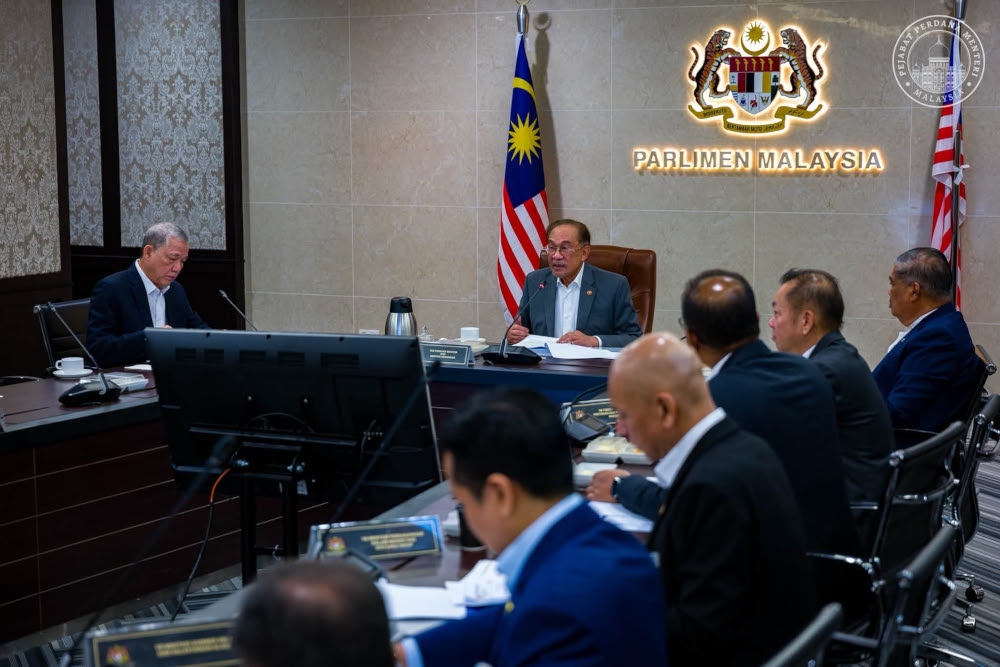
Prime Minister Datuk Seri Anwar Ibrahim has mobilised the Ministry of Agriculture and Food Security to launch a comprehensive defence strategy against the looming threat of a Super El Niño phenomenon, signalling heightened concern about the country's vulnerability to climate-driven agricultural disruption. The directive reflects growing anxieties across Southeast Asia over the potential for widespread crop failures and food price inflation if the anticipated weather pattern materialises with the severity that meteorologists are forecasting.
The El Niño phenomenon occurs when ocean temperatures in the equatorial Pacific rise to abnormal levels, disrupting global weather patterns and typically triggering prolonged dry seasons across the tropical belt. A Super El Niño event represents an intensified version of this climatic oscillation, characterised by exceptionally warm oceanic conditions that can persist for extended periods and generate more pronounced climatic impacts than standard El Niño episodes. Such events have historically been associated with severe droughts, reduced agricultural yields, and food security crises across developing nations heavily dependent on rain-fed agriculture.
Malaysia's agricultural sector, which remains a cornerstone of rural livelihoods and food self-sufficiency for key commodities, faces particular exposure to prolonged dry conditions. Rice cultivation, the nation's staple crop, is especially sensitive to water availability, while palm oil and rubber production—major export earners—also depend on adequate rainfall. Regional vegetables, fruits, and livestock production could experience significant stress if dry conditions persist, potentially forcing greater reliance on imports and driving inflation in essential food items that affect household budgets across income levels.
The Prime Minister's intervention at the policy level underscores recognition that food security transcends agricultural technicalities to become a matter of national economic stability and social cohesion. Elevated food prices triggered by supply shocks can disproportionately burden lower-income households and complicate efforts to maintain macroeconomic stability. By directing the agriculture ministry to move proactively, Anwar is attempting to position Malaysia ahead of the potential crisis rather than responding reactively after damage occurs.
Expected measures are likely to encompass accelerated irrigation infrastructure development, promotion of drought-resistant crop varieties, and establishment of strategic food reserves for critical commodities. The government may also consider incentive schemes encouraging farmers to adopt water-efficient cultivation techniques and diversify into less water-intensive crops. Supply chain coordination with regional trading partners could feature prominently, ensuring alternative procurement routes for essential foodstuffs if domestic production falters.
The timing of these directives reflects the urgency conveyed by the World Meteorological Organization and regional meteorological agencies, which have indicated elevated probabilities of Super El Niño conditions developing through the remainder of the calendar year. Such advance warning provides Malaysia with a window to implement preparatory measures, though execution challenges in coordinating across multiple agencies and rural production systems remain substantial.
For Malaysian consumers, the implications extend beyond prices to questions of dietary quality and nutrition access. Prolonged food inflation historically leads households to shift consumption patterns toward cheaper, less nutritious staples, with potential public health consequences. Vulnerable populations in urban lower-income communities and rural agricultural regions face heightened vulnerability, requiring targeted policy consideration alongside broader supply-side measures.
The agricultural ministry's response capacity will be tested by the complexity of supporting diverse farming communities across different regional geographies and crop types. Peninsular Malaysia, Sabah, and Sarawak experience varying rainfall patterns and possess different agricultural production profiles, necessitating differentiated strategies rather than uniform national approaches. Small-holder farmers, who constitute the backbone of domestic food production, require accessible extension support, credit access, and technical guidance to adopt new drought mitigation practices.
Regional cooperation mechanisms assume heightened importance during El Niño episodes, as neighbouring countries facing synchronised production shortfalls may restrict exports to maintain domestic supplies. Malaysia's engagement with ASEAN agricultural frameworks and bilateral partnerships with major food suppliers will influence the country's capacity to bridge any domestic supply deficits through imports. Early diplomatic coordination could prevent competitive bidding dynamics that exacerbate global food price inflation.
The Super El Niño threat also intersects with longer-term climate variability patterns, prompting consideration of whether current agricultural systems remain adequately adapted to shifting climatic conditions. Investment in climate-resilient agriculture, water resource management infrastructure, and agricultural diversification may yield benefits beyond immediate crisis prevention, building systemic resilience against recurring climate challenges.
Anwar's directive signals governmental prioritisation of food security as a strategic policy domain requiring ministerial-level attention and cross-agency coordination. The coming months will reveal whether institutional capacity matches political commitment, determining whether Malaysia can weather the anticipated climate challenge without significant supply disruptions or food price shocks that ripple through the broader economy and affect social stability.

