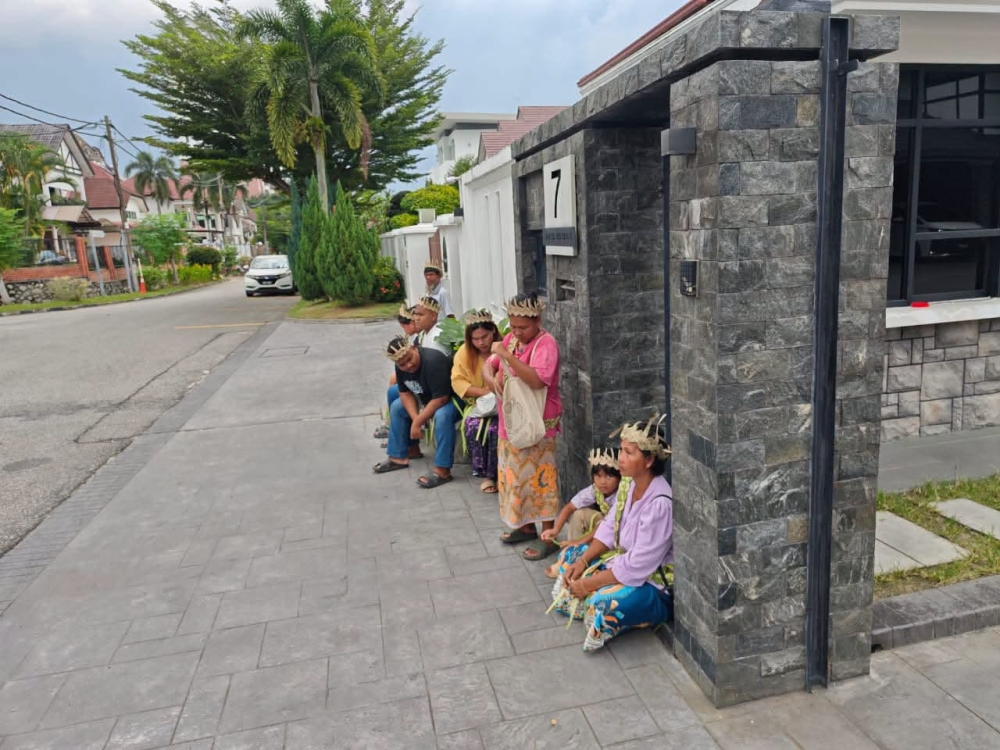
Prime Minister Datuk Seri Anwar Ibrahim has committed to escalating a longstanding land dispute involving Orang Asli communities in Maran to the Pahang state government, signalling renewed federal attention to indigenous land rights following consultations with affected villagers. The commitment underscores the government's stated priority of addressing systemic grievances faced by Malaysia's indigenous populations, though implementation details remain unclear as pressure mounts from advocacy groups monitoring such cases.
Anwar's pledge emerged after face-to-face meetings with residents in the Maran area, where competing land claims have created considerable tension between indigenous communities and external interests. These direct consultations represent a shift in approach, as the Prime Minister sought first-hand accounts of the dispute rather than relying solely on official briefings. Such engagement signals recognition that Orang Asli concerns frequently fail to gain adequate traction within bureaucratic channels, necessitating high-level political intervention to ensure substantive progress.
The Maran land dispute reflects broader challenges affecting indigenous groups across Peninsular Malaysia, where historical land alienation and competing development interests have left many Orang Asli communities economically marginalised and legally vulnerable. These communities often occupy ancestral territories without formal title documentation, rendering them susceptible to encroachment and dispossession. The frequency of such disputes has prompted civil society organisations to call for comprehensive legal reform, arguing that piecemeal interventions cannot address systemic inequities embedded within Malaysia's land administration framework.
Anwar's intervention carries political significance within Malaysia's complex federal structure, as land administration remains principally a state matter under the Constitution. This institutional arrangement means the Prime Minister must work through the Pahang government to effect meaningful resolution, potentially requiring negotiation and consensus-building across different political and administrative levels. The success of his initiative will depend substantially on political will at state level and the degree of cooperation between federal and Pahang authorities.
Orang Asli communities have historically occupied subordinate positions within Malaysia's political economy, despite representing approximately 0.6 percent of the national population. Their land claims frequently encounter resistance from development proponents, plantation interests, and state governments prioritising revenue generation from land conversion. Anwar's public commitment to raise this specific dispute may reflect broader pressure from civil society advocates and opposition figures who have weaponised Orang Asli grievances as evidence of governance failures by previous administrations.
The timing of Anwar's engagement warrants analysis in relation to broader domestic political developments and his administration's efforts to consolidate legitimacy among constituencies that voted for reform-oriented governments. Orang Asli communities, whilst numerically small, possess symbolic importance within Malaysian political discourse as representatives of indigenous rights and environmental concerns. Demonstrable action on their grievances could enhance the government's narrative of inclusive governance whilst addressing longstanding neglect.
Resolving the Maran dispute will likely require balancing multiple competing interests: legitimate indigenous land rights, state revenue objectives, environmental considerations, and the claims of third parties who may have acquired interest in contested land. Previous attempts to mediate such disputes have often foundered on disagreements regarding the legal status of Orang Asli customary tenure and the evidentiary standards required to establish historical occupation. Success will necessitate establishing frameworks that recognise indigenous territorial interests without entirely disqualifying other stakeholders with lawful claims.
The involvement of the Prime Minister's office potentially elevates the Maran case beyond routine administrative handling and suggests escalation to a political level where resolution becomes possible. However, transformation of political commitment into concrete outcomes remains uncertain, particularly if vested interests actively resist recognition of Orang Asli claims. Implementation also depends on adequate resource allocation, technical capacity within relevant agencies, and sustained political attention beyond initial announcements.
For Malaysian observers of indigenous rights issues, this development offers cautious optimism tempered by scepticism based on historical patterns where high-level political pledges have failed to translate into substantive improvements for affected communities. The real test of Anwar's commitment will emerge through subsequent actions, including establishment of specific timelines for resolution, allocation of resources, and accountability mechanisms ensuring follow-through. Southeast Asian regional observers may also monitor this case as an indicator of Malaysia's approach to indigenous land governance, particularly given similar disputes affecting indigenous communities across the region.
The Maran dispute represents one among numerous land conflicts affecting Orang Asli populations nationwide, suggesting that even successful resolution would constitute progress on a single grievance within a much larger portfolio of unresolved claims. Advocacy organisations have called for the government to develop comprehensive Orang Asli land policy addressing systemic issues rather than addressing individual disputes through ad hoc political intervention. Whether Anwar's initiative catalyses broader policy reform or remains confined to this particular case will significantly influence the long-term trajectory of indigenous land rights in Malaysia.
Going forward, the federal and Pahang authorities must establish clear mechanisms for dialogue, dispute resolution, and implementation oversight. Transparent processes incorporating Orang Asli representatives throughout deliberations will be essential for building trust and ensuring outcomes serve community interests rather than imposing externally-designed solutions. The coming months will determine whether political commitment translates into institutional action and whether Maran becomes a model for resolving other comparable disputes.

