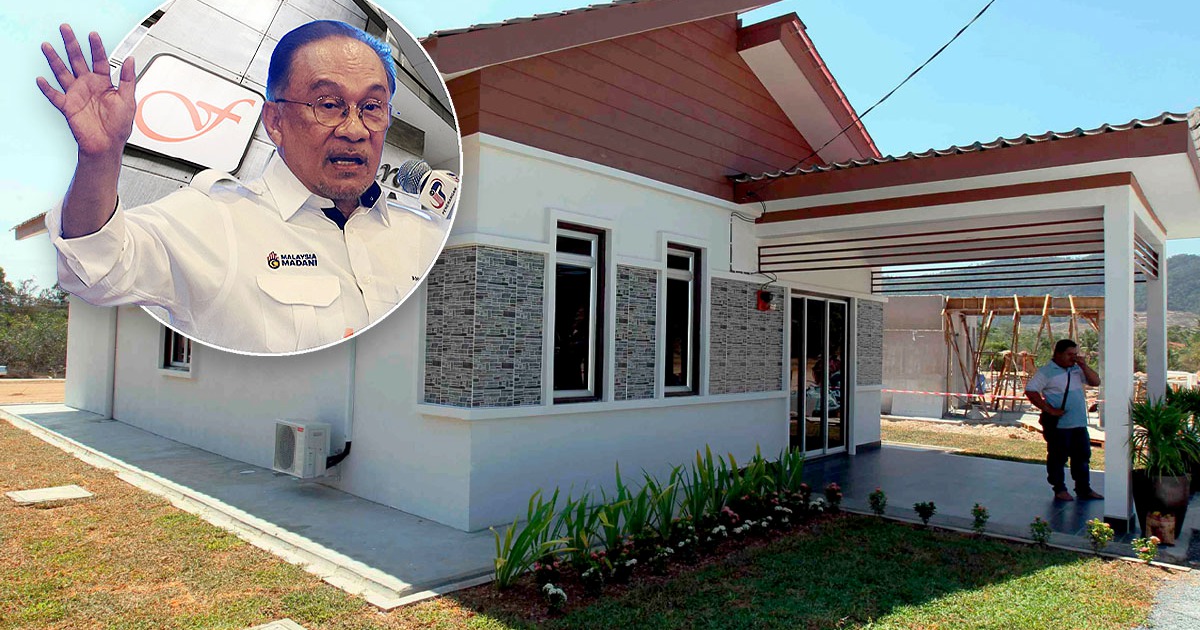
Prime Minister Datuk Seri Anwar Ibrahim intends to unveil a comprehensive Cabinet paper outlining a second-home initiative for Felda settlers within the next month, marking a potentially significant development in the government's approach to supporting Malaysia's plantation smallholders.
The Federal Land Development Authority, better known as Felda, has long served as a cornerstone institution for rural land distribution and agricultural development across Malaysia. Since its establishment, the scheme has provided landholdings and housing to hundreds of thousands of rural families, positioning them as agricultural entrepreneurs rather than wage labourers. The proposed second-home policy represents a fresh institutional response to evolving settler needs and changing demographic pressures within these long-established communities.
Felda settlers, many of whom have worked smallholdings for decades, face mounting pressures from aging rural populations, youth migration to urban centres, and the need to diversify income sources. A formal second-home initiative could address practical challenges: allowing settlers to maintain a rural base while establishing a secondary residence in or near urban areas for family members pursuing education or employment opportunities. This flexibility may help retain young people within the Felda ecosystem while accommodating Malaysia's broader urbanisation trends.
The timing of this announcement reflects broader policy conversations about rural-urban integration in Southeast Asia. Countries across the region grapple with depopulation of agricultural zones and youth unemployment in farming communities. Malaysia's approach through institutional reform rather than subsidy expansion could offer instructive lessons for neighbours managing similar demographic shifts in smallholder agriculture.
For Malaysian readers, the initiative carries implications beyond Felda. The policy framework could influence how other rural schemes—including state-level land schemes and community development projects—approach property rights and settlement flexibility. If successful, similar mechanisms might extend to other agricultural communities facing comparable pressures, gradually reshaping Malaysia's approach to rural land tenure and family settlement patterns.
The Cabinet paper will presumably outline funding mechanisms, eligibility criteria, and implementation timelines. Critical questions remain unresolved: whether the scheme will involve state financing, private lending partnerships, or cooperative funding models; how property ownership will be structured; and whether second homes will be limited to Malaysian settlements or include overseas options for diaspora Felda families. These details will shape the policy's effectiveness and accessibility across different settler demographics.
Felda's settler population is heterogeneous, spanning multiple generations with varying economic capacities and family structures. A one-size-fits-all second-home policy risks excluding lower-income settlers or favouring established families with accumulated capital. The Cabinet submission will likely address differentiation mechanisms to ensure equitable access across Felda's diverse communities.
Geographically, the initiative takes on particular significance in states with substantial Felda presence, including Pahang, Johor, Terengganu, and Perak. Regional real-estate markets in secondary cities near major Felda schemes could experience demand shifts once settlers gain formal pathways to acquire second properties. This could stimulate construction activity and property-sector growth in towns currently experiencing economic stagnation.
The proposal also reflects shifting political priorities regarding rural constituencies. Felda settlers represent a concentrated, politically conscious demographic group traditionally significant in electoral calculations. Delivering tangible improvements to their living standards and economic opportunities aligns with broader government messaging about inclusive growth and equitable development.
Implementation challenges will prove substantial. Coordinating between Felda's central authority, state agricultural departments, federal land offices, and financial institutions requires robust institutional frameworks. Resolving potential conflicts between customary Felda tenure arrangements and conventional property law will demand careful legislative drafting. Ensuring the scheme doesn't inadvertently commodify Felda land or undermine the scheme's original equity objectives requires sophisticated policy design.
For Malaysian property developers and financial services providers, the initiative opens market opportunities. Banks may develop specialised lending products for Felda settler second-home purchases. Property firms might target secondary cities adjacent to Felda areas with appropriate housing products. Cooperative societies operating within Felda could emerge as financing channels, preserving community control over development outcomes.
The Cabinet paper's anticipated presentation within a month signals this remains a priority within the Prime Minister's policy agenda despite competing demands facing the government. The formal submission process suggests serious intent rather than exploratory discussion, indicating that detailed policy work has already occurred within relevant ministerial offices.
Ultimately, the second-home initiative represents institutional evolution responding to demographic realities Felda was not originally designed to address. Whether it succeeds depends on crafting frameworks that respect the scheme's foundational equity principles while adapting to twenty-first-century settler aspirations and family structures.

