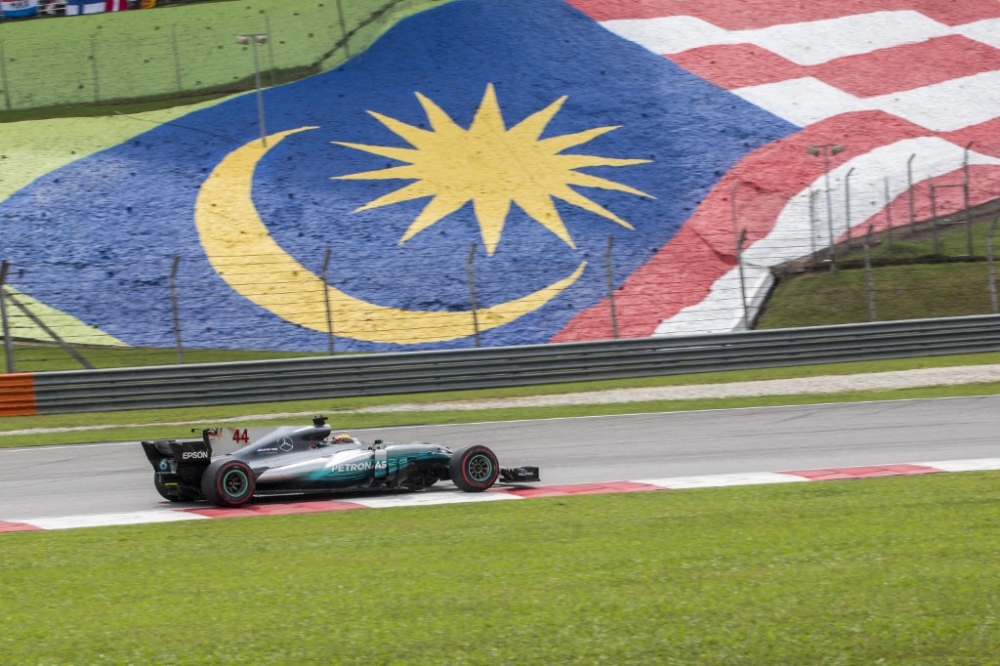
Prime Minister Datuk Seri Anwar Ibrahim indicated on Thursday that he would divulge the outcome of deliberations concerning Malaysia's potential re-entry into the Formula One championship, signalling that negotiations over the matter had reached a critical juncture. Speaking in Bukit Mertajam, Anwar suggested that developments in the prolonged discussions had advanced sufficiently to warrant an imminent public disclosure, though he refrained from providing specifics about the nature or direction of those talks.
The announcement represents a culmination of behind-the-scenes negotiations that have spanned several months, reflecting the Malaysian government's renewed interest in hosting one of motorsport's most prestigious international events. Malaysia previously hosted the Formula One Grand Prix for over two decades, establishing itself as a cornerstone venue on the global racing calendar and cementing Sepang International Circuit as a world-class facility. The potential return would signal a significant reversal in recent years, during which Malaysia had stepped back from the championship due to financial considerations and competing priorities.
Formula One's continued global expansion and the circuit's ability to meet modern technical and safety standards have evidently kept Malaysia in contention for inclusion on the calendar. The sport has demonstrated flexibility in scheduling and adding new venues, particularly in markets showing strong economic fundamentals and government commitment. Malaysia's strategic position within Southeast Asia, combined with its existing infrastructure, makes it an attractive prospect for both Formula One management and commercial partners seeking to expand the championship's Asian footprint.
The timing of Anwar's announcement carries broader implications for Malaysia's positioning within the region's sporting hierarchy. Singapore hosts its own prestigious Formula One night race, which has become emblematic of the island-state's ability to attract and retain major international sporting events. A Malaysian return to the championship would represent not merely a sporting achievement but also a statement about the country's economic recovery and competitiveness in attracting premium tourism and media investments. The race typically generates substantial international television coverage and draws high-profile global audiences, contributing meaningfully to destination branding and hospitality revenues.
Financial arrangements surrounding such a commitment are typically complex, involving negotiations between government authorities, circuit operators, and Formula One's parent company regarding hosting fees, infrastructure upgrades, and revenue-sharing mechanisms. Previous Malaysian editions of the Grand Prix had demonstrated the event's capacity to generate ancillary economic benefits through hotel occupancy, hospitality packages, and visitor spending. However, these considerations must be weighed against budgetary constraints and alternative uses for public resources, particularly given Malaysia's ongoing fiscal management priorities.
The Sepang International Circuit, which hosted the Malaysian Grand Prix for the majority of its two-decade tenure, underwent substantial modernisation over the years to maintain international competitiveness. The facility's technical specifications, including pit infrastructure, medical facilities, and broadcast capabilities, determine its viability for contemporary Formula One standards. Any return would likely necessitate further capital investment to align with current requirements, representing a consideration in government deliberations. The circuit's proximity to Kuala Lumpur and its accessibility via major transportation networks have historically been significant advantages for both competitors and spectators.
Regional context matters considerably in understanding Malaysia's strategic calculations around Formula One participation. The sport's expansion in Asia reflects broader recognition of the continent's growing wealth, motorsport enthusiasm, and media markets. China, Japan, and Vietnam all feature on the contemporary calendar, whereas Malaysia's absence from recent years has represented a gap in representing Southeast Asia's largest economy and most significant motorsport demographic. Restoring Malaysia's presence would restore equilibrium to the sport's Asian representation and acknowledge the region's importance to Formula One's business model.
The political dimension of the announcement should not be overlooked. Anwar's government has positioned itself as committed to economic recovery and the restoration of Malaysia's international standing following the preceding political turbulence. Securing Formula One's return would constitute a tangible achievement demonstrating the administration's capacity to execute major strategic initiatives and maintain Malaysia's relevance within global competitive rankings for hosting premium events. Such symbolism matters in the broader context of investor confidence and national morale.
Stakeholder coordination has likely occupied considerable governmental energy in recent months. Securing commitment from Formula One required navigating internal agreement among relevant ministries, the circuit operator, state authorities, and commercial partners about financial contributions and risk allocation. The willingness to make an announcement suggests that these internal negotiations have achieved sufficient consensus to permit a public declaration of intent or outcome. Industry observers will scrutinise the specific details of any announced arrangement, particularly regarding financial terms and contractual duration, to assess the sustainability of Malaysia's re-engagement with the championship.

