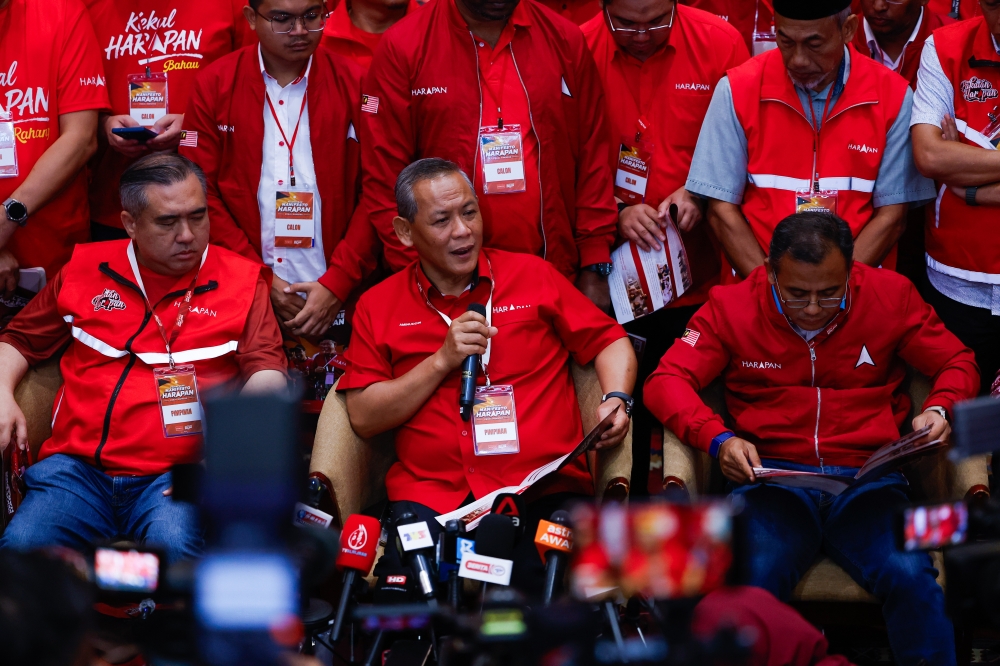
Prime Minister Datuk Seri Anwar Ibrahim is poised to throw his political weight behind Pakatan Harapan's ground campaign in Negeri Sembilan, with Selangor Menteri Besar Aminuddin Harun confirming the visit is scheduled for Wednesday. The appearance underscores the coalition's strategic focus on consolidating support in a state that has proven pivotal during past electoral contests and remains contested political terrain across the country's electoral landscape.
Anwar's participation in Negeri Sembilan demonstrates how Pakatan Harapan continues to deploy its most recognisable figures to energise party machinery and rally voter interest in specific constituencies and districts. As chairman of the coalition and head of government, Anwar carries considerable symbolic weight that party strategists calculate can shift voter sentiment and boost morale among grassroots activists tasked with door-to-door mobilisation efforts. His presence at campaign events typically attracts media coverage and social media engagement that amplifies the coalition's messaging far beyond the immediate venue.
Negeri Sembilan represents crucial electoral battleground territory for Pakatan Harapan's broader political calculations. The state's voting patterns have historically reflected broader national trends while also maintaining distinct local dynamics shaped by its unique demographic composition and economic structure. Control of the state government carries implications for the coalition's ability to implement policies and construct political narratives heading into any potential electoral contest, making ground-level campaigning activities there particularly consequential for party strategists planning months ahead.
Aminuddin Harun's public confirmation of Anwar's schedule reflects the transparency with which major coalition activities are now communicated to supporters and the media. The Selangor leader has emerged as one of Pakatan Harapan's most visible figures in recent years, managing coalition affairs alongside his state responsibilities and maintaining frequent public engagement with party members and the broader electorate. His role as intermediary in announcing high-profile campaign activities positions him within the coalition's inner decision-making circles regarding electoral strategy.
The timing of Anwar's Negeri Sembilan visit occurs within the broader context of sustained political campaigning that has characterised Malaysian politics over the past two years. Pakatan Harapan, like its political opponents, maintains continuous engagement with voters rather than concentrating efforts exclusively during formal campaign periods immediately preceding elections. This perpetual mobilisation reflects how contemporary Malaysian politics operates, with parties constantly evaluating voter sentiment and adjusting messaging to maintain electoral competitiveness.
For Negeri Sembilan specifically, Pakatan Harapan's intensive campaign activities suggest the coalition views the state as winnable territory where concentrated effort can yield tangible electoral gains. The state's relatively compact size compared to larger states like Selangor or Johor means that focused visits by senior national figures can generate significant local impact and establish personal connections between leadership and community stakeholders. This retail politics dimension remains crucial in Malaysia's electoral system despite growing sophistication of digital campaigning approaches.
Anwar's participation also carries implications for Pakatan Harapan's internal coalition dynamics. The alliance comprises multiple parties with sometimes competing interests and agendas, requiring constant negotiation and coordination from senior leadership. Public campaign activities involving the coalition chairman help reinforce unified messaging and demonstrate commitment to collective electoral strategy rather than individual party advancement, thereby maintaining the political coherence essential for coalition stability.
The campaign visit reflects broader trends reshaping Malaysian electoral competition. Both government and opposition coalitions increasingly recognise that winning depends on sophisticated organisation at ground level, strategic deployment of senior figures to maximise earned media, and sustained voter engagement that extends far beyond traditional campaign seasons. The Negeri Sembilan trip exemplifies this comprehensive approach to contemporary political competition that acknowledges multiple pathways to voter persuasion and support mobilisation.
For Malaysian political observers and party operatives elsewhere across Southeast Asia, Anwar's campaign schedule offers insights into how coalition governments in the region balance governing responsibilities with maintaining electoral competitiveness. The Prime Minister must allocate his time between day-to-day administration and political campaigning, a tension that defines leadership in electoral democracies where political survival depends on continued voter confidence and coalition unity among often-disparate partners.

