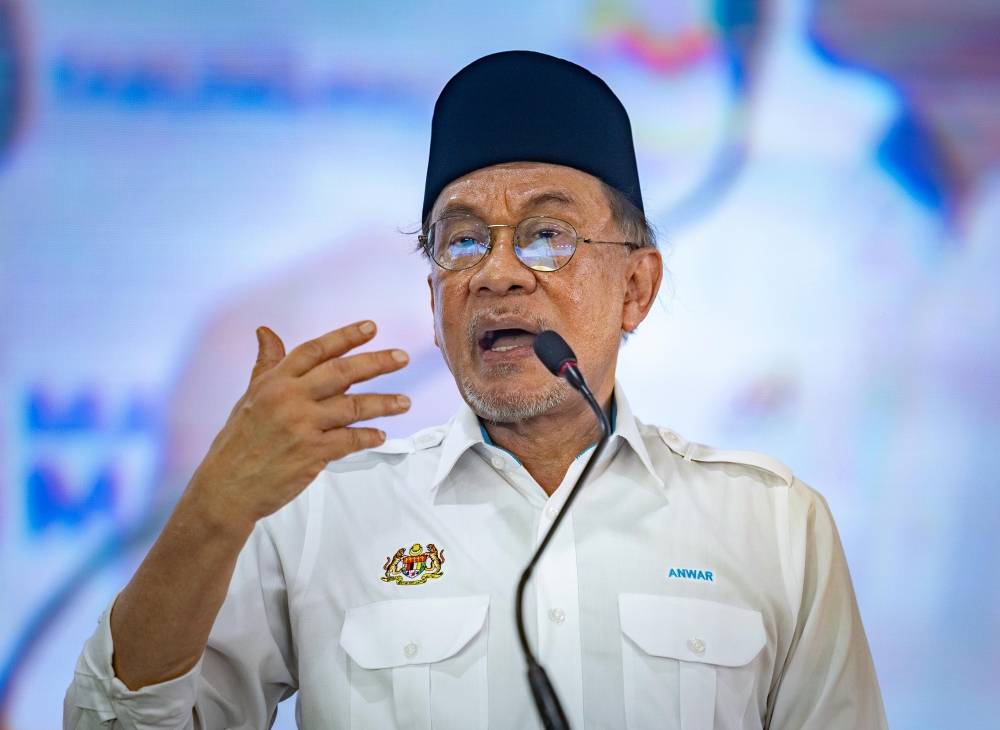
Prime Minister Datuk Seri Anwar Ibrahim has pledged to deliver a comprehensive account in Parliament tomorrow regarding the Civil Service Pension Fund's (KWAP) significant investment loss in eFishery, signalling his administration's commitment to transparency on the controversial transaction. Speaking in Ipoh on July 19, the premier emphasized that there can be no room for excuse-making when substantial public resources have been misallocated, underscoring the gravity with which his government treats fiduciary responsibility.
The RM200 million investment by KWAP in eFishery, an agricultural technology venture, has emerged as a focal point for scrutiny over government fund stewardship. This quantum of loss represents a substantial portion of pension reserves that ultimately derive from the savings of Malaysia's civil servants. The incident has prompted renewed questioning about investment decision-making protocols within state-linked entities and the oversight mechanisms designed to protect institutional capital. For Malaysian pensioners whose retirement security depends on these funds, the episode raises legitimate concerns about risk management and governance standards.
Anwar's commitment to address the matter directly in the Dewan Negara indicates recognition that parliamentary accountability cannot be circumvented on matters of such magnitude. The lower house provides an institutional platform where members can scrutinize government actions and demand explanations from the executive. By choosing to engage with this process rather than deflect or minimize the issue, the Prime Minister has signalled a departure from historical patterns where controversial investments by state entities sometimes received muted parliamentary attention. This approach carries implications for how future governance controversies might be handled under his administration.
The eFishery investment loss has broader ramifications beyond immediate financial impact. It reflects questions about due diligence standards when government entities allocate capital to technology ventures, particularly those in nascent agricultural sectors where business models remain unproven. Malaysian institutional investors, both public and private, will be watching how KWAP and its regulators respond to post-mortems of this investment. The transparency demonstrated now could influence investor confidence in other government-linked funds and their ability to protect national assets.
For civil service pension holders, numbering in the hundreds of thousands, the RM200 million loss directly affects the value of their accumulated benefits. Though the pension system carries other revenue streams and investment portfolios, every significant loss erodes returns that pensioners might otherwise expect. Understanding how such losses occurred and what preventative measures are being implemented becomes essential information for those whose financial security in retirement depends on KWAP's stewardship. The parliamentary session tomorrow may provide clarity on whether procedural failures, market misjudgement, or inadequate oversight contributed to the outcome.
The timing of Anwar's undertaking to explain the matter in Parliament demonstrates responsiveness to public and legislative pressure. Several opposition parliamentarians and civil society observers have raised questions about the investment decision-making process, demanding clarity on who authorized the commitment, what due diligence was conducted, and whether proper risk assessments preceded the allocation. By committing to a comprehensive explanation, the government can either substantiate that decisions were made according to established protocols or acknowledge shortcomings and outline remedial actions.
This episode also intersects with broader regional debates about government investment practices across Southeast Asia. Several neighbouring countries have experienced significant losses through state entity investments in commercial ventures, raising questions about whether these institutions should prioritize capital preservation and steady returns over higher-risk, higher-reward opportunities. The approach taken by Malaysia's leadership in responding to this particular case may offer lessons for how governments in the region balance growth aspirations with fiduciary prudence.
The Prime Minister's no-excuses rhetoric carries weight precisely because previous administrations sometimes appeared defensive when questioned about government spending or investment outcomes. By explicitly rejecting excuse-making, Anwar has set an expectation that his government will own responsibility for outcomes, whether positive or negative. This rhetorical positioning may create political pressure for his administration to demonstrate not just transparency but also concrete reforms in institutional investment governance. Implementing stricter approval processes, enhanced oversight, and improved transparency in how state entities deploy capital could emerge as practical consequences of parliamentary accountability.
Parliamentary consideration of the KWAP loss also provides opportunity to examine systemic issues beyond this single instance. Questions about the composition and expertise of investment committees within government-linked entities, the independence of internal audit functions, and the adequacy of regulatory oversight from the Ministry of Finance merit examination. The parliamentary session could catalyze broader reform discussions about institutional investment practices across Malaysia's public sector, potentially benefiting multiple funds and entities that face similar governance challenges.
As the Dewan Negara convenes to hear the Prime Minister's explanation, expectations have been elevated by his public commitment to accountability. The quality and candour of that explanation will significantly influence public and parliamentary perception of government transparency on matters involving public resources. For Malaysian investors, pensioners, and citizens concerned with governance standards, tomorrow's parliamentary session represents a tangible test of whether contemporary political leadership truly differs from predecessors in how it addresses institutional failures and accountability obligations.

