Pakatan Harapan is set to make public its roster of candidates for the upcoming Negeri Sembilan state election, with Prime Minister Anwar Ibrahim scheduled to unveil the finalized list during a formal ceremony at Dataran Melang in Kuala Pilah on Tuesday, July 14. The announcement will mark a significant milestone in the coalition's preparation for the electoral contest, which has already captured considerable attention across the state and broader Malaysian political circles.
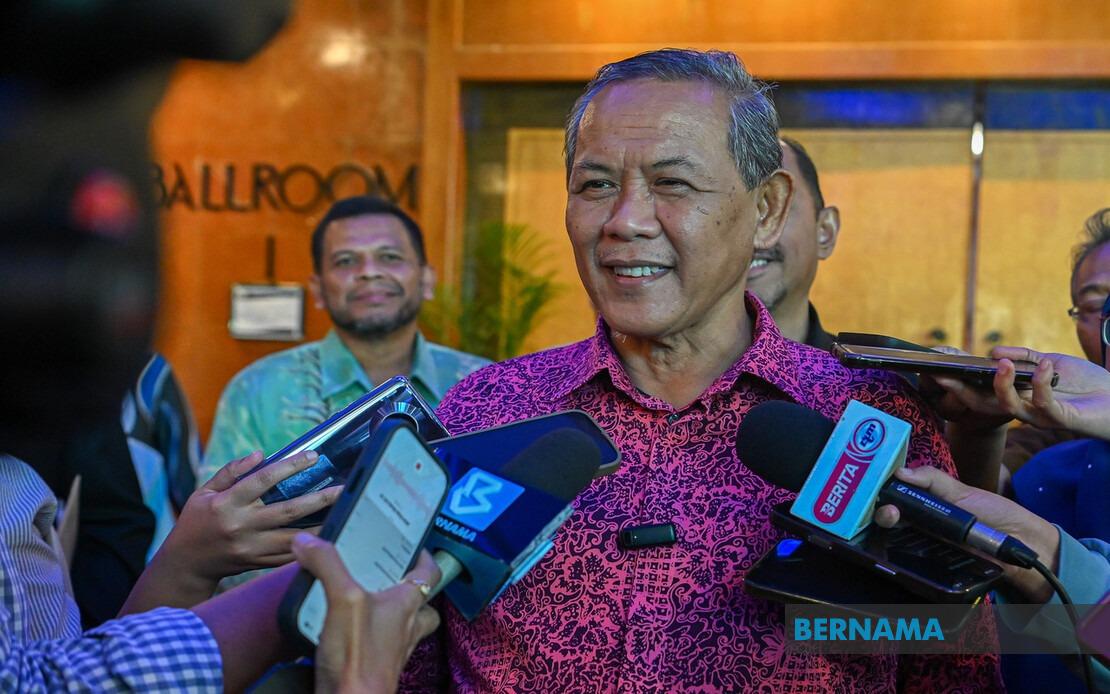
Negeri Sembilan PKR chairman Datuk Seri Aminuddin Harun, who also serves as the state's Menteri Besar, confirmed that the candidate nominations have been completed and officially submitted to the Election Commission. Aminuddin emphasized that the July 14 announcement represents the formal unveiling by Ibrahim, the PKR president, signalling the coalition's readiness to enter the campaign phase with a defined team of aspirants contesting across the state's 36 seats. The timing of the announcement allows candidates roughly four days to prepare before nomination day on July 18, providing a narrow window for last-minute preparations and public positioning.
The composition of Pakatan Harapan's candidate distribution reflects the internal power-sharing arrangement negotiated between coalition partners. PKR will contest 16 of the 36 available seats, positioning the party as the dominant force within the alliance's state machinery. The Democratic Action Party (DAP) has secured 11 seats, maintaining its role as the urban-focused component with representation across constituencies with significant Chinese Malaysian populations. Amanah, the third coalition partner, will field candidates in the remaining nine seats, primarily targeting constituencies where the party maintains grassroots organizational presence and community support networks.
Despite persistent speculation and public curiosity surrounding individual candidacies, Aminuddin has maintained a measured approach to discussing personal aspirations. When queried about rumours that he would contest the Linggi state seat, the incumbent Sikamat assemblyman deflected direct confirmation or denial, instead redirecting focus toward the imminent public announcement. His calculated silence reflects standard political protocol where formal announcements carry greater strategic weight than individual confirmations, allowing room for potential last-minute adjustments and maintaining organizational discipline during the critical pre-election phase.
Aminuddin's broader messaging emphasized unity and collective purpose within the coalition machinery. During a separate engagement where he distributed Special Grants totalling RM342,000 across 342 Rukun Tetangga units throughout Negeri Sembilan, the Menteri Besar articulated the need for all party members and candidates to concentrate on campaign mechanics rather than internal speculation. His appeal for focused effort signals concern that premature controversies or fractious internal debates could undermine the coalition's electoral prospects during a crucial mobilization period.
The election timeline established by the Election Commission creates considerable compressed schedules for candidate campaigns. With polling day scheduled for August 1, the effective campaign window spans merely two-and-a-half weeks following the July 18 nomination deadline. Early voting has been set for July 28, meaning campaigns must achieve peak visibility and messaging penetration well before the final voting week. This compressed timeframe advantagates well-resourced parties capable of rapid digital and grassroots deployment, potentially favouring incumbents with established machinery over emerging challengers.
Negeri Sembilan's electoral significance extends beyond its 36 state seats. The state has historically demonstrated sensitivity to national political currents, with voters frequently responding to broader peninsular political dynamics. The composition and messaging of Pakatan Harapan's candidate slate will inevitably be scrutinized for signals regarding the coalition's broader strategic direction and confidence levels in different demographic and geographic constituencies. Candidate selections often reveal which political actors retain central leadership confidence and which constituencies parties consider competitive or strategically important.
The coalition's seat distribution also reflects ongoing tensions within multiethnic Malaysian politics regarding representation and communal balance. PKR's dominance aligns with its positioning as a multiethnic party claiming national political reach, while DAP's concentration in specific constituencies reflects its electoral base and strategic focus areas. Amanah's role as the Islamic-oriented partner within the secular-leaning coalition adds another dimension to candidate selection processes, with careful attention likely paid to balancing religious and secular messaging across different constituencies.
For Malaysian political observers, the Negeri Sembilan election serves as a crucial barometer for Pakatan Harapan's organizational coherence and electoral viability heading toward potential federal elections. The coalition has faced sustained internal challenges regarding resource distribution, leadership priorities, and strategic direction since assuming federal government in 2023. Strong performance in Negeri Sembilan could reinvigorate coalition morale and demonstrate continued voter support, while disappointing results might intensify existing internal pressures and recriminations regarding candidate selection and campaign effectiveness.
The regional implications deserve consideration as well. Negeri Sembilan sits within Peninsular Malaysia's central industrial and commercial belt, with constituencies encompassing urban centres like Seremban alongside rural and semi-rural areas. The coalition's ability to assemble a competitive slate across this geographic and demographic diversity suggests confidence in its support networks across different voter segments. Candidate announcements often reveal whether parties have invested in youth mobilization and new political figures or maintained dependence on established political actors, signalling broader strategic orientations toward generational renewal versus stability.
With the formal announcement forthcoming, Negeri Sembilan enters its decisive political phase. Candidates will immediately commence constituent engagement, while rival coalitions and opposition parties prepare their counter-strategies. The July 14 ceremony represents not merely a procedural administrative step but rather a political declaration of intent, resource allocation, and strategic positioning that will reverberate throughout the state's electoral landscape until August 1.

