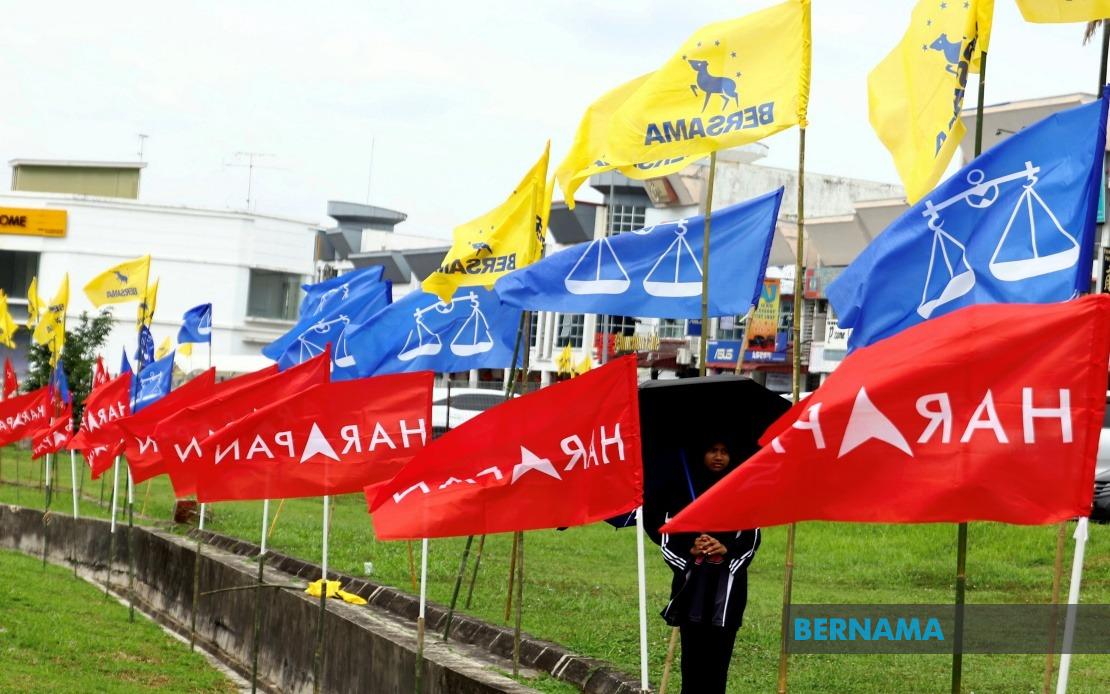
Prime Minister Datuk Seri Anwar Ibrahim has mounted an eleventh-hour campaign appeal to the people of Johor, urging them to grant Pakatan Harapan (PH) the mandate to govern the state as voters prepare to cast their ballots in the 16th Johor state election scheduled for this Saturday. Speaking through social media, Anwar framed the electoral choice as a pivotal moment for the state's future, positioning PH as a coalition committed to tangible progress and inclusive development that would benefit all layers of Johor society.
The timing of Anwar's intervention reflects the strategic importance of Johor to Malaysia's political landscape. As one of the country's largest and most economically significant states, control of Johor's state government carries implications far beyond regional boundaries, affecting economic policies, infrastructure development, and political momentum heading toward future federal elections. By personally engaging in the final stretch of campaigning, Anwar underscored how central this contest is to PH's broader political agenda and its efforts to consolidate power across Malaysia's key regions.
Through his Facebook post, Anwar articulated a forward-looking vision for Johor under PH stewardship, pledging that the coalition would work diligently to protect the state's interests while ensuring that development gains translate into material improvements for ordinary residents. The framing suggests PH's campaign strategy centres on economic prosperity and concrete governance outcomes rather than purely partisan messaging, attempting to appeal to swing voters who may prioritise practical governance over ideological considerations.
Beyond the standard campaign rhetoric, Anwar made a cultural and emotional appeal to Johor-born voters living outside the state, calling on them to return home to fulfil their civic duty by voting. This appeal recognises the significant number of Johoreans who have migrated to other states or work in urban centres like Kuala Lumpur and Selangor, and seeks to mobilise them as a voting bloc that could swing competitive constituencies. The effectiveness of such appeals often depends on the accessibility of voting logistics and the strength of emotional connection to home state politics.
In a particularly creative touch, Anwar employed the traditional Malay pantun form to encourage voter participation, using poetic language to invoke Johor's heritage and cultural pride. The pantun, which roughly translates to exhorting people to return home bringing hope and building a prosperous state, demonstrates an attempt to connect with voters through culturally resonant communication beyond standard political messaging. Such techniques aim to generate organic social media engagement and appeal to voters who respond to emotional and cultural narratives.
The 16th Johor state election represents a significant contest, with 172 candidates competing for 56 state assembly seats across multiple political parties. This scale indicates a highly contested election where numerous constituencies will likely be decided by narrow margins, making PH's appeal to mobilise its base and persuade undecided voters strategically crucial. The sheer number of candidates suggests a fractured opposition landscape that could work either for or against PH depending on vote splitting dynamics in individual constituencies.
PH's positioning as a coalition seeking opportunity to serve represents an important rhetorical choice in the Malaysian political context. By emphasising the desire to be given a chance rather than claiming automatic entitlement to govern, Anwar's messaging acknowledges that electoral mandates must be earned through demonstrated competence and public support. This approach may resonate particularly with voters fatigued by perceived arrogance from political actors and seeking genuine accountability from those seeking power.
The appeal also implicitly acknowledges that Johor, as a state with a significant Malay-Muslim majority and strong customary political traditions, may harbour reservations about PH, which has historically faced challenges in communicating effectively with this demographic. By personally intervening and emphasising development outcomes and state interests rather than divisive social issues, Anwar seeks to reframe PH's appeal in terms more likely to resonate with Johor's traditional voter base.
For Malaysian observers, the Johor election serves as a crucial indicator of electoral momentum heading into future contests. A strong PH performance would suggest the coalition retains sufficient support among key demographic groups to remain competitive at the national level, while a poor showing could embolden opposition parties and create opportunities for political realignment. The state's election therefore functions as a bellwether for broader Malaysian political trajectories.
The final days before Saturday's election will likely see intensified campaign activity from all major coalitions, with each party mobilising volunteers and deploying senior figures to target swing constituencies. Anwar's personal engagement signals that PH leadership recognises the stakes involved and is prepared to invest significant political capital in securing victory, reflecting the coalition's assessment of Johor's importance to its long-term political survival and capacity to advance its policy agenda across Malaysia.

