%22%2F%3E%3C%2Fpattern%3E%3C%2Fdefs%3E%3Crect%20width%3D%22100%25%22%20height%3D%22100%25%22%20fill%3D%22url(%23ph585mog)%22%2F%3E%3Crect%20width%3D%22100%25%22%20height%3D%22100%25%22%20fill%3D%22url(%23ph585mop)%22%2F%3E%3Ctext%20x%3D%2250%25%22%20y%3D%2250%25%22%20text-anchor%3D%22middle%22%20dominant-baseline%3D%22central%22%20fill%3D%22rgba(255%2C255%2C255%2C0.95)%22%20font-family%3D%22Georgia%2C%20'Times%20New%20Roman'%2C%20serif%22%20font-weight%3D%22700%22%20font-size%3D%22272%22%20letter-spacing%3D%22-0.02em%22%3EAnwar%3C%2Ftext%3E%3C%2Fsvg%3E)
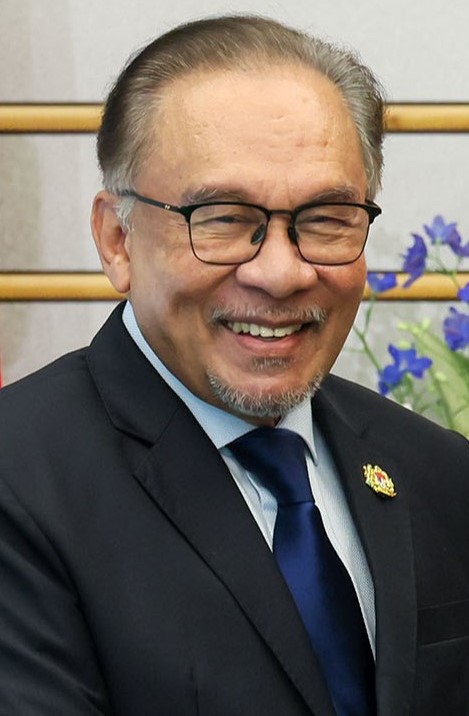
Prime Minister Datuk Seri Anwar Ibrahim hosted an official luncheon for visiting Bangladesh Prime Minister Tarique Rahman at the Seri Perdana Complex in Putrajaya on June 22, underscoring the strategic importance Malaysia places on its relationship with the South Asian nation. The ceremonial gathering brought together senior Malaysian government officials and the delegations from both countries in a display of diplomatic warmth and institutional commitment to deepening bilateral engagement across multiple sectors.
The luncheon menu reflected the cultural significance of the occasion, featuring Malaysia's iconic "king of fruits"—durian—alongside jackfruit that had been specially airlifted from Bangladesh for the event. Such culinary choices carry symbolic weight in diplomatic settings, representing mutual respect and the bridging of cultural differences through shared appreciation of regional produce. The thoughtful inclusion of Bangladeshi fruit alongside Malaysian delicacies demonstrated a nuanced approach to hospitality that acknowledges both nations' agricultural heritage and contemporary trade relationships.
The two leaders arrived together in the same vehicle at 11:50 am, receiving a warm reception from students representing five educational institutions across the Klang Valley and Putrajaya: Sekolah Kebangsaan Presint 8(2), Sekolah Menengah Kebangsaan Dengkil, SMK Agama Sungai Merab, Sekolah Menengah Sains Selangor, and Sekolah Menengah Agama Persekutuan Kajang. The pupils greeted the dignitaries with enthusiastic chants welcoming them to Malaysia, while performers from Istana Budaya presented a traditional welcoming dance, combining formal protocol with cultural expression typical of state-level receptions.
Both Prime Minister Anwar and his wife, Datuk Seri Dr Wan Azizah Wan Ismail, hosted Prime Minister Tarique and his spouse, Dr Zubaida Rahman, in an intimate yet official setting. The attendance of Malaysia's Foreign Minister Datuk Seri Mohamad Hasan alongside Home Affairs Minister Datuk Seri Saifuddin Nasution Ismail signaled the visit's significance for Malaysia's regional security and diplomatic architecture. Investment, Trade and Industry Minister Datuk Seri Johari Abdul Ghani's presence reflected Malaysia's intention to discuss expanded economic cooperation, while the inclusion of Human Resources Minister Datuk Seri R. Ramanan hinted at potential labour market discussions relevant to both nations.
The luncheon followed an official welcome ceremony at Perdana Putra Complex and a bilateral meeting between the two Prime Ministers. These sequential engagements formed a comprehensive diplomatic programme designed to address issues at both institutional and personal levels, allowing leaders to establish rapport while their respective teams worked through substantive policy matters in parallel sessions.
This visit marks Tarique Rahman's first official bilateral trip abroad since he assumed office in February 2026, making Malaysia a particularly significant choice for his inaugural international engagement. The selection carries diplomatic implications, suggesting that Bangladesh views Malaysia as a natural partner and that regional relationships within Southeast Asia and the broader Indo-Pacific remain central to Bangladesh's foreign policy priorities during this early period of the new administration.
Bilateral trade between the two countries demonstrated substantial vitality in 2025, with total commerce reaching RM12.18 billion (US$2.84 billion), positioning Bangladesh as Malaysia's 28th largest trading partner globally and its second-most important trading relationship within South Asia after India. Malaysia's exports to Bangladesh totaled RM10.08 billion (US$2.35 billion), with petroleum products dominating the export basket—a reflection of Malaysia's energy sector strength and Bangladesh's significant energy demands as it continues rapid industrialization and urbanization.
Imports flowing from Bangladesh to Malaysia amounted to RM2.10 billion (US$500 million), with the portfolio concentrated heavily in textiles, apparel, and footwear sectors. This trade structure highlights Bangladesh's role as a critical manufacturing hub for labour-intensive goods in Southeast Asia, leveraging its large population and established expertise in garment production. For Malaysian businesses, Bangladesh represents both a market for industrial inputs and energy products, and a source of finished consumer goods that reach Malaysian retailers and consumers.
The Wisma Putra statement framing the visit emphasized its role in strengthening bilateral ties and deepening cooperation across areas of mutual interest, though specific sectors and initiatives remained to be detailed in subsequent official announcements. Such diplomatic language typically presages negotiations on trade facilitation, investment promotion, labour migration frameworks, and regional security cooperation—domains where Malaysia and Bangladesh have long-standing engagement.
For Malaysian policymakers, Bangladesh's strategic importance extends beyond trade statistics. As a nation of over 170 million people, Bangladesh represents a growing market for Malaysian services, technology, and manufactured goods as the country's middle class expands. Additionally, Bangladesh's role as a source country for migrant workers in Malaysia carries labour policy implications requiring ongoing bilateral coordination on worker welfare standards and remittance channels.
The timing of Tarique Rahman's visit, early in his tenure as Prime Minister, suggests both countries recognize the value of maintaining high-level dialogue and preventing any diplomatic drift. Regional stability in South Asia and the Bay of Bengal affects maritime security and economic flows through channels critical to Malaysia's prosperity, making Bangladesh a natural partner in discussions about regional challenges from climate adaptation to transnational commerce.
Looking forward, the luncheon and surrounding diplomatic activities establish a foundation for potential expansion across investment, infrastructure development, and technology transfer partnerships. Malaysian companies with experience in regional expansion may find Bangladesh increasingly accessible under a leadership apparently committed to strengthening ties with Southeast Asian neighbors, while Bangladesh's competitive manufacturing capabilities could attract greater Malaysian capital seeking to diversify production bases across the region.