Prime Minister Datuk Seri Anwar Ibrahim's working visits to Kazan in Russia and Ashgabat in Turkmenistan have delivered tangible strategic gains designed to bolster Malaysia's energy independence and generate sustained economic returns for the nation. Government officials have characterised the outcomes as historic achievements that align with the MADANI administration's broader development priorities and positioning Malaysia as a proactive player in global energy markets during a period of considerable geopolitical volatility.
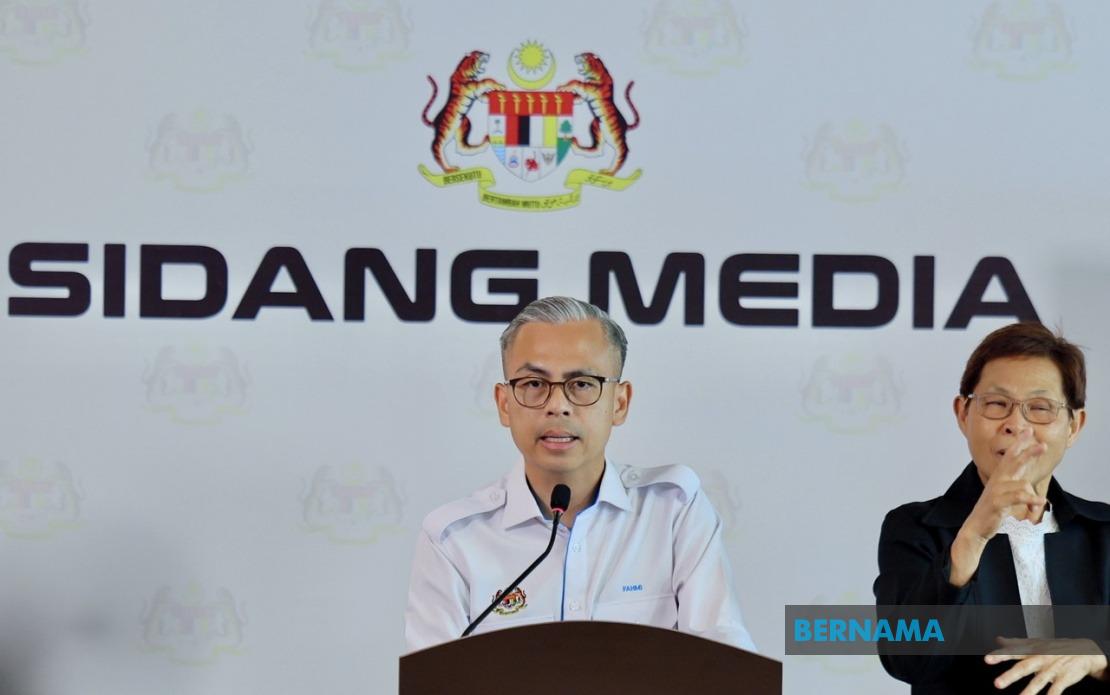
The centrepiece of the Kazan engagement was securing Russia's commitment to supply crude oil, natural gas and diesel under a comprehensive long-term agreement. This arrangement carries particular significance for Malaysia, a net energy importer increasingly attuned to supply chain resilience. By diversifying energy sources beyond traditional suppliers in the Middle East and Southeast Asia, Malaysia reduces vulnerability to regional supply disruptions and price volatility. Government spokesperson Datuk Fahmi Fadzil emphasised that the crude oil and fuel security arrangement represents a structural foundation for Malaysia's economic stability, underpinning industrial production, transportation networks and power generation for years to come.
The Kazan summit, formally the 35th ASEAN-Russia Commemorative Summit, provided the diplomatic framework for these negotiations. Anwar attended alongside Investment, Trade and Industry Minister Datuk Seri Johari Abdul Ghani and Economy Minister Akmal Nasrullah Mohd Nasir, assembling a delegation that reflected the cross-ministerial significance of the energy agenda. Beyond energy security, Malaysia and Russia formalised intentions to deepen cooperation spanning trade, investment, tourism and technology sectors, creating multiple channels for mutual benefit and positioning the relationship beyond narrow petroleum concerns.
Parallel developments in Turkmenistan proved equally consequential. PETRONAS, operating through its wholly owned subsidiary Petronas Carigali (Turkmenistan) Sdn Bhd, successfully negotiated rights to develop two major gas production blocks. This expansion cements PETRONAS's footprint in Central Asian hydrocarbon resources, building on more than three decades of operational presence in the country. For Malaysia's flagship national oil and gas corporation, the acquisition represents a strategic shift toward more diversified global production platforms at a time when regional Southeast Asian reserves face depletion pressures.
The framework agreement formalised between Malaysia and Turkmenistan establishes a structured institutional arrangement for long-term cooperation on hydrocarbon development. This accord opens pathways for potential engagement with the Galkynysh field, one of the world's largest natural gas reserves, while simultaneously creating opportunities across downstream activities including oil refining, gas processing and gas-to-chemicals conversion. Such vertical integration possibilities could anchor higher-value manufacturing activities in Malaysia, transforming crude energy resources into refined products and specialised chemical compounds with enhanced profit margins.
Fahmi underscored that the revenue streams generated through PETRONAS's international operations flow back to Malaysia as corporate dividends, ultimately financing public sector expenditure and national development schemes. This mechanism positions energy diplomacy as integral to fiscal sustainability, particularly as Malaysia navigates elevated government spending commitments and infrastructure investments. The official narrative frames these energy agreements as foundational contributors to the government's capacity to finance the MADANI agenda without escalating debt burdens.
The announcement of reduced diesel prices on June 21 represented an immediate public-facing manifestation of these energy security achievements. Fahmi explicitly linked the three major developments—the Russian crude oil and fuel supply agreement, the Turkmenistan gas block acquisition, and broader energy cooperation frameworks—to the government's ability to manage domestic fuel pricing downward. This linkage demonstrates how international resource diplomacy translates into visible cost-of-living improvements for ordinary Malaysians, converting abstract geopolitical arrangements into tangible household benefits affecting transportation, logistics and agriculture sectors heavily dependent on diesel fuel.
The timing and sequencing of these announcements reflect deliberate political communication strategy. By front-loading public messaging about diesel price reductions immediately after concluding high-stakes energy negotiations, the government cultivates perception of direct causality between diplomatic achievement and economic relief. This narrative proves particularly powerful in Malaysia's politically competitive environment, where citizens remain price-sensitive and domestic fuel subsidies carry substantial political weight.
For Southeast Asia more broadly, Malaysia's energy diplomacy toward Russia and Turkmenistan signals regional diversification beyond traditional Middle Eastern energy partnerships. As geopolitical tensions and energy supply competitions intensify globally, ASEAN nations face strategic pressure to develop multiple energy supply relationships. Malaysia's moves toward Central Asian hydrocarbon partnerships complement broader regional strategies by Vietnam, Indonesia and Thailand to cultivate non-traditional energy suppliers, reducing collective regional dependence on any single geopolitical bloc.
The gas block development rights in Turkmenistan position PETRONAS to access world-class hydrocarbon reserves while contributing technology expertise and operational capabilities to resource-rich but capital-constrained Central Asian economies. This arrangement represents mutual benefit: Malaysia gains production assets and long-term revenue streams, while Turkmenistan attracts investment and operational excellence from a globally competitive energy corporation. Such partnerships strengthen economic interdependencies and create stakeholder constituencies favouring constructive bilateral relationships.
The broader analytical significance centres on Malaysia's strategic reassertion as an independent actor navigating great power competition. By simultaneously engaging Russia at the ASEAN-Russia summit while pursuing bilateral energy arrangements, Malaysia preserves ASEAN institutional frameworks while exercising pragmatic bilateral agency. This approach contrasts with either blanket alignment with Western energy markets or exclusive reliance on Chinese-brokered arrangements, instead pursuing diversified partnerships aligned with national interest calculations.
Looking forward, the durability and expansion of these energy partnerships will depend on geopolitical stability, international sanctions trajectories, and competitive dynamics in global energy markets. Sustained crude oil and gas imports from Russia face potential complications from evolving international sanctions regimes affecting payment mechanisms and shipping arrangements. However, Malaysia's negotiated position within these frameworks reflects confidence that long-term energy security interests override temporary geopolitical friction, a calculation that numerous nations continue making despite Western pressure toward energy decoupling from Russia.
The Kazan and Ashgabat visits ultimately demonstrate Malaysia's capacity to leverage diplomatic engagement toward concrete economic outcomes. By combining multilateral summit participation with bilateral resource negotiations, Anwar's government secured commitments that reinforce energy security, expand PETRONAS's global production platform, and generate immediate public benefits through diesel price management. These achievements, if implemented as announced, will substantively strengthen Malaysia's medium-term economic resilience and validate the MADANI administration's international engagement strategy.

