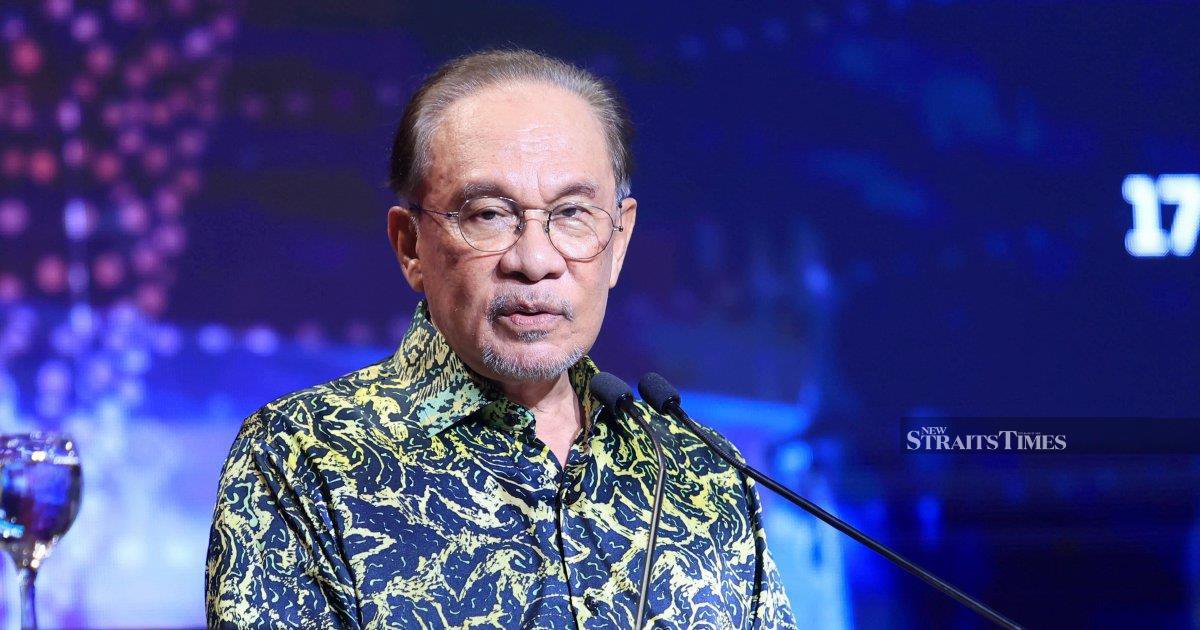
Prime Minister Datuk Seri Anwar Ibrahim's approach to international relations has proven instrumental in preserving Malaysia's strategic position amid an increasingly complex global landscape, according to Transport Minister Anthony Loke. Speaking to press, Loke articulated how the premier's engagement with foreign counterparts and multilateral organisations has enabled the country to advance its core interests while maintaining stable bilateral relationships across diverse regions.
The assessment comes at a time when Malaysia navigates competing pressures from major powers, evolving trade dynamics in Southeast Asia, and the region's role in managing geopolitical tensions. Loke's remarks reflect broader confidence within the government that the administration's foreign policy direction has positioned the nation as an effective negotiator capable of balancing its economic and security concerns without sacrificing diplomatic autonomy.
Anwar's diplomatic methodology emphasises consensus-building and dialogue over confrontational stances, an approach that has shaped Malaysia's engagement with traditional allies and emerging partners alike. This style of statecraft has allowed the government to maintain leverage with key trading partners while avoiding entanglement in the strategic competition between larger powers that could disadvantage smaller economies like Malaysia's. Such positioning becomes increasingly valuable as the region grapples with trade frictions, supply chain disruptions, and contested territorial arrangements.
Within the Southeast Asian context, Malaysia's diplomatic initiatives under Anwar's leadership have reinforced ASEAN's centrality in regional affairs, an outcome that benefits all member states equally. By strengthening Malaysia's voice within multilateral forums and bilateral channels simultaneously, the administration has protected specific national interests in areas ranging from maritime rights to economic cooperation agreements. This dual-track engagement model has prevented Malaysia from becoming isolated or marginalised in critical negotiations.
Loke's endorsement also reflects appreciation for how Anwar's government has managed Malaysia's relationships with major economic partners, particularly in Asia. The balance struck between deepening ties with China for investment and manufacturing opportunities, whilst maintaining strong connections with Western economies and regional neighbours, has created room for Malaysia to pursue advantageous commercial arrangements without alienating any power bloc. This strategic flexibility remains essential given Malaysia's dependence on global trade and foreign direct investment.
The transport minister's comment underscores how executive-level diplomatic work, often conducted away from public view, forms the bedrock of Malaysia's ability to secure beneficial outcomes in trade negotiations, infrastructure partnerships, and security arrangements. By operating through established channels with consistency and professionalism, Anwar's administration has rebuilt confidence amongst international partners that Malaysia remains a reliable interlocutor and dependable partner for long-term cooperation.
For Malaysian policymakers and business leaders, the implication is clear: stable diplomatic relations translate into tangible benefits including preferential trade access, investment inflows, and smoother negotiations for Malaysian companies operating abroad. When a country's international standing strengthens, its negotiating position in bilateral and multilateral forums improves proportionally, enabling better outcomes on issues affecting Malaysian citizens directly.
Moreover, Loke's assertion highlights how diplomatic strategy intersects directly with Malaysia's economic agenda and infrastructure development plans. Transport and logistics sector growth, for instance, depends partly on cross-border cooperation, bilateral transport agreements, and Malaysia's reputation as a trustworthy hub for regional commerce. Anwar's diplomatic positioning has supported these initiatives by ensuring Malaysia maintains productive relationships with key trading blocs and neighbouring countries essential to regional supply chain integration.
The government's diplomatic approach has also demonstrated flexibility in responding to emerging challenges, from pandemic-related disruptions to shifts in global trade patterns and regional security concerns. This adaptability, coupled with consistent engagement principles, has enabled Malaysia to protect its interests whilst contributing to regional stability—a balance that strengthens rather than weakens Malaysia's long-term strategic position.
Loke's comments reflect a broader narrative within the administration emphasising continuity, professionalism, and strategic focus in Malaysia's external relations. As regional complexities deepen and global uncertainties persist, the government maintains that prioritising diplomatic effectiveness and relationship-building serves Malaysia's interests far more effectively than pursuing confrontational or isolationist strategies that could undermine the nation's standing and economic prospects.

