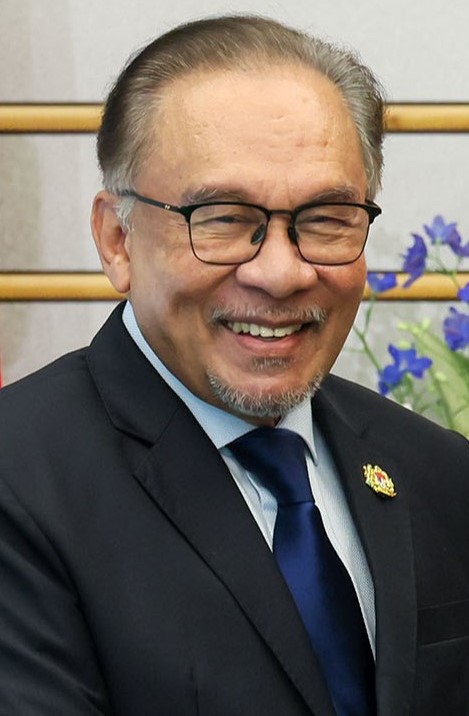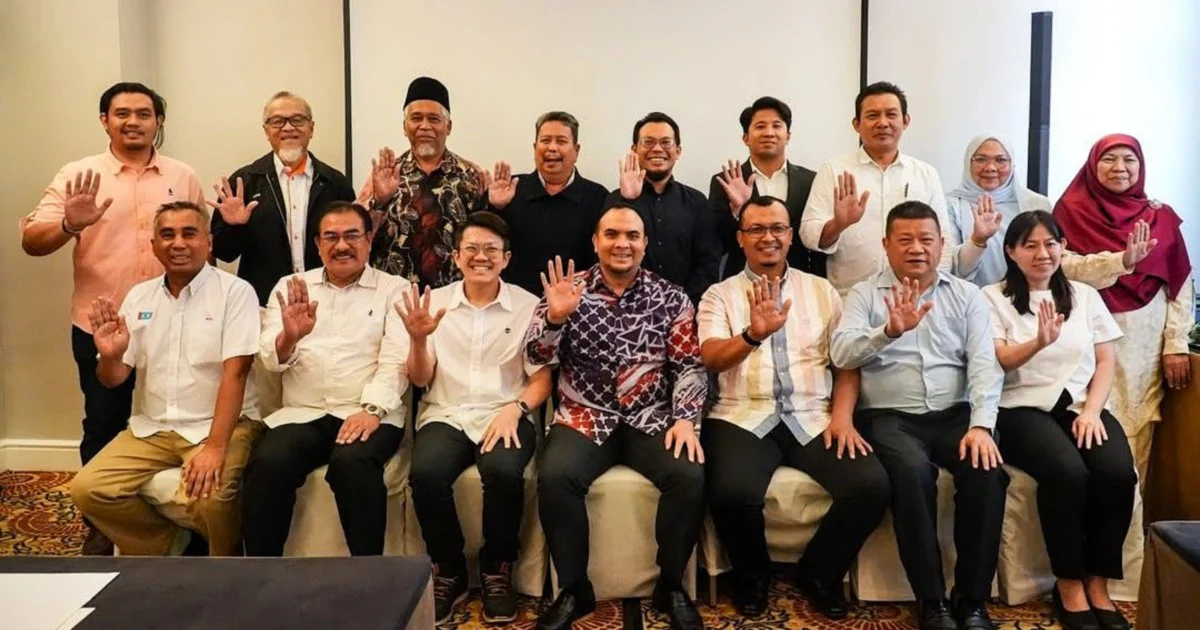
Datuk Ahmad Farhan Fauzi, the Prime Minister's trusted political secretary, has been designated the new chairman of the Pahang Pakatan Harapan branch, a development that underscores Datuk Seri Anwar Ibrahim's deepening involvement in restructuring the coalition's machinery at the state level. The appointment, announced in Kuantan, represents a notable repositioning within PH's eastern seaboard operations at a time when the coalition faces mounting pressure to consolidate gains ahead of crucial state-level electoral contests.
The elevation of Ahmad Farhan Fauzi to this position carries substantial implications for how the federal leadership intends to exert influence over Pahang's political trajectory. His dual role as the Prime Minister's political secretary provides an explicit conduit between the federal government's strategic objectives and the state chapter's operational decisions. This arrangement effectively centralizes decision-making authority, allowing the Prime Minister's office to coordinate messaging and policy initiatives across multiple governance levels simultaneously. For observers of Malaysian politics, such appointments often signal an intent to strengthen organizational discipline and ensure alignment with the national leadership's broader political agenda.
Pahang has historically served as a complex political battleground within Malaysia's peninsular politics. The state's political composition reflects the intricate balance between PH's aspirations and competing interests from other coalitions. The appointment of someone directly answerable to the Prime Minister suggests recognition that the current organizational framework requires more direct oversight and strategic refinement. Ahmad Farhan Fauzi's positioning within the Prime Minister's immediate circle means his decisions regarding party mobilization, candidate selection, and regional coalition-building will likely receive guidance shaped by considerations extending beyond Pahang's immediate interests.
The timing of this appointment warrants careful examination. It arrives amid broader discussions within Malaysian political circles regarding the consolidation of federal authority and the coordination of state-level party structures. The PH coalition, which won the 2022 federal election, continues to navigate complex negotiations across its constituent parties and state-level governments. Pahang remains a state where PH's influence varies considerably, and the installation of a central authority figure suggests systematic efforts to strengthen the coalition's ground presence and competitive positioning.
Ahmad Farhan Fauzi's background as a political operative within the Prime Minister's office equips him with significant institutional knowledge regarding federal resource allocation, political strategy, and inter-party negotiations. This expertise becomes particularly valuable in a state context where PH must contend with entrenched rival organizations and navigate the delicate balance between maintaining coalition cohesion and prosecuting competitive campaigns. His familiarity with the Prime Minister's policy priorities and political philosophy ensures that Pahang's state-level activities remain synchronized with national-level initiatives.
For the broader Malaysian political landscape, this appointment reflects ongoing efforts to strengthen the federal government's structural linkages to state-level party organizations. The appointment of political operatives from federal positions to state leadership roles has become an increasingly common phenomenon as political coalitions seek to impose greater coordination and discipline across their fragmented organizational structures. This development suggests that the federal leadership views centralized control over state machinery as essential to maintaining coalition stability and electoral competitiveness.
Within Pahang specifically, the appointment may influence how the state branch approaches resource distribution, candidate recruitment, and strategic positioning ahead of upcoming elections. Ahmad Farhan Fauzi's background suggests he will likely emphasize organizational efficiency and alignment with federal messaging priorities. This could necessitate adjustments to existing state-level power structures and procedural arrangements, potentially triggering internal negotiations among Pahang-based political figures regarding roles and influence distribution.
The appointment also carries implications for how federal resources—both political and material—flow into the state apparatus. As the Prime Minister's political secretary elevated to a state leadership position, Ahmad Farhan Fauzi potentially gains enhanced authority to influence budget allocations, project approvals, and patronage distribution decisions. This concentration of authority within a federally-connected individual may accelerate or enhance the implementation of developmental initiatives while simultaneously raising questions regarding the autonomy of state-level decision-making processes.
For Malaysian political observers and Pahang residents, this appointment underscores the increasingly integrated nature of federal and state political machinery within Malaysia's governance structure. The distinction between federal and state-level political operations continues to blur as senior federal operatives move into state leadership positions. Ahmad Farhan Fauzi's appointment represents one manifestation of this broader trend, demonstrating how contemporary Malaysian political organizations utilize personnel transfers as mechanisms for asserting central authority and ensuring organizational coordination across multiple governance levels.
Looking forward, the implications of this appointment will likely manifest through changes in how Pahang's PH chapter operates internally, interacts with allied parties, and positions itself competitively. Ahmad Farhan Fauzi's tenure as state chairman will probably emphasize strengthening organizational infrastructure, improving communication pathways to federal leadership, and enhancing coordination between state and national political strategies. The appointment thus functions simultaneously as a practical administrative decision and a symbolic statement regarding the federal government's commitment to strengthening PH's organizational capacity within the state.