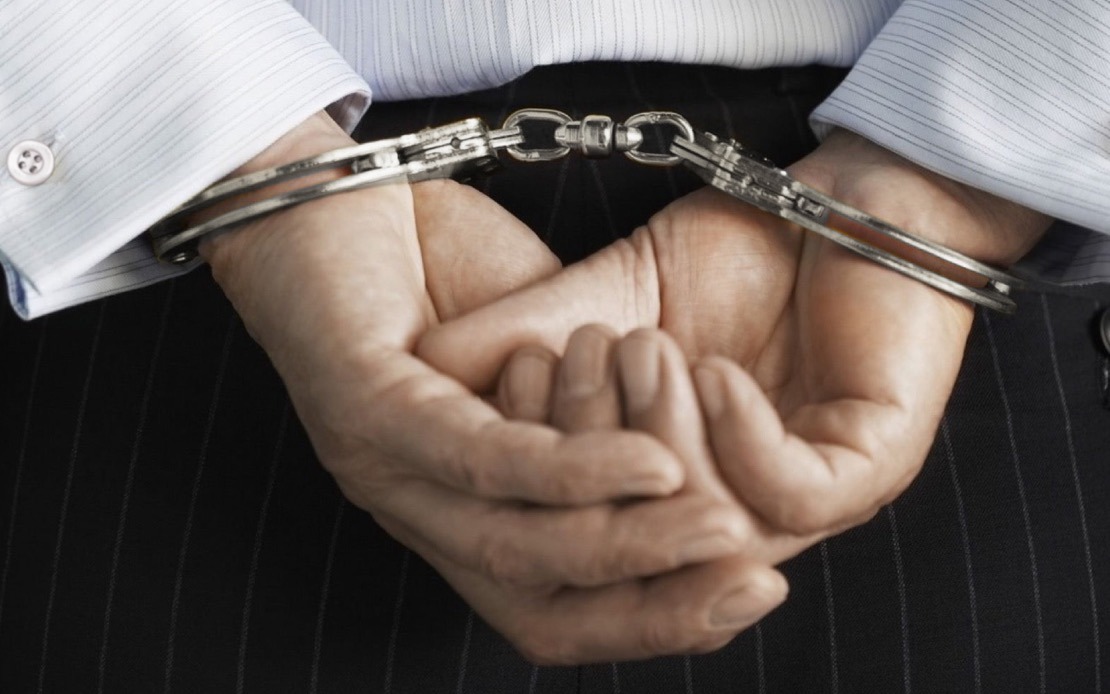
An armed individual was taken into custody at Trump National Golf Course in Rancho Palos Verdes, California, in an incident that has intensified concerns about security around the former president. The Los Angeles County Sheriff's Department confirmed the Sunday arrest, which occurred just days before Trump was scheduled to attend a Republican Party fundraising dinner at the venue on Tuesday evening.
Undercover officers initially spotted the suspect engaging in suspicious behaviour on the golf course grounds. According to law enforcement, the man was observed taking photographs and recording video footage whilst appearing to monitor security arrangements at the facility. The combination of these activities raised sufficient alarm among authorities to warrant his immediate apprehension and questioning.
Searches of the suspect's person revealed he was carrying ammunition and a 16-round magazine at the time of arrest. The discovery of these items on the grounds of a high-profile political figure's property underscored the potential severity of the situation and prompted more extensive investigative measures. Officers conducted additional searches that would uncover a more comprehensive picture of the suspect's activities and intentions.
When authorities examined the man's vehicle, they discovered a loaded pistol alongside another loaded magazine. The presence of readily accessible firearms raised further questions about his plans and movements at the location. Investigators then executed a search warrant on his residence, which yielded additional weapons, ammunition, body armour, and radio signal devices. Perhaps most significantly, officers recovered multiple notebooks containing statements that law enforcement characterised as concerning, suggesting the individual may have been engaged in detailed planning or documentation of activities.
The timing of this incident reflects an escalating pattern of security threats targeting Trump, particularly as he has re-entered the political spotlight through his campaigns. The protection of high-profile political figures has become increasingly complex, requiring coordination between multiple law enforcement agencies and constant vigilance. For Malaysian observers, the incident illustrates the security challenges that democratic nations face when protecting their political leaders, a concern that resonates across different political systems and contexts.
Trump's security situation has deteriorated significantly over recent years, with multiple serious incidents occurring in rapid succession. In April, gunfire erupted at a press dinner in Washington, forcing the Secret Service to evacuate Trump and his wife whilst abandoning the event entirely. This incident demonstrated vulnerabilities even at high-security, indoor venues in the nation's capital.
In February, an armed individual was fatally shot by authorities at Trump's Mar-a-Lago estate in Florida after attempting to breach the property. The incident raised questions about perimeter security at residential locations, even those owned by prominent figures with access to protective details. Such incidents highlight the difficulty of maintaining security at multiple properties spread across different jurisdictions.
The situation intensified during Trump's 2024 presidential campaign. In Pennsylvania, shots were fired at a campaign event, leaving Trump with a minor ear injury. The attack occurred despite the presence of multiple security personnel and raised significant questions about how gunfire could be directed at the stage area. Later in 2024, the Secret Service engaged an armed man who had positioned himself in bushes near Trump's golf course in West Palm Beach and appeared to be preparing for an attack.
The recurring nature of these incidents—occurring at golf courses, campaign events, private residences, and public venues—suggests that no single location or event type provides adequate protection against determined threats. The diversity of settings where incidents have occurred indicates that security challenges extend beyond simple perimeter control or metal detection at entrances. Authorities must contend with individuals willing to conduct extended surveillance, develop detailed plans, and acquire weapons specifically for targeting purposes.
For Southeast Asian nations monitoring these developments, the Trump security incidents offer valuable case studies in how well-resourced democracies struggle to protect political figures against domestic threats. Malaysia, with its own history of managing political security in a complex environment, can observe how different approaches—from intelligence gathering to protective cordons to advanced surveillance technology—are being deployed and tested in real situations.
The California golf course arrest demonstrates that intelligence gathering remains crucial in identifying threats before they materialize into violence. The plainclothes officers' observation of suspicious behaviour and documentation of suspicious activities enabled the arrest before any violent incident could occur. This preventive approach contrasts with reactive security measures that only activate after threats have become manifest.
As Trump's political activities continue, security agencies will undoubtedly increase protective measures around his movements and venues. The incident at Rancho Palos Verdes will likely prompt additional reviews of protocols at Trump-affiliated properties and events, particularly those held at outdoor venues like golf courses where perimeter control presents inherent challenges. The broader pattern suggests that high-profile political figures in the contemporary environment must accept higher levels of scrutiny and security infrastructure as inevitable costs of public prominence.

