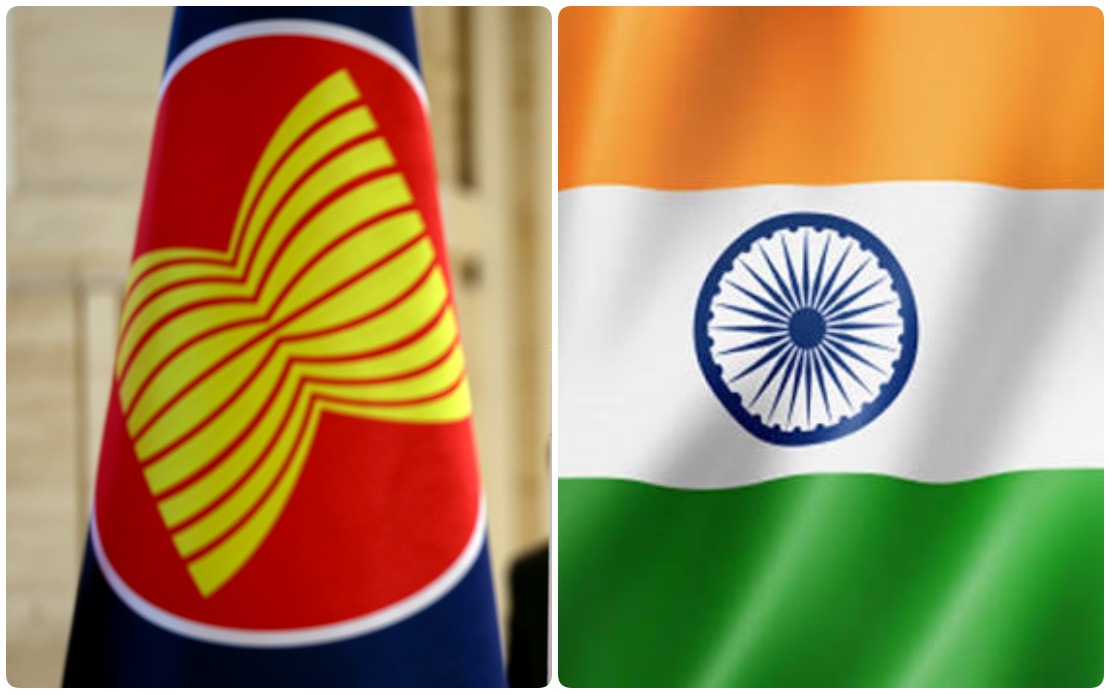
ASEAN and India have jointly reaffirmed their commitment to deepening bilateral ties, signalling renewed determination to navigate shared challenges in an increasingly complex global environment. The declaration came during the Post-Ministerial Conference of the 59th ASEAN Foreign Ministers' Meeting held in Manila, where representatives from both groupings engaged in substantive discussions spanning trade, connectivity infrastructure, maritime security and cultural exchanges.
Philippine Foreign Affairs Secretary Theresa P. Lazaro underscored the maturity and substance of the relationship, noting that ASEAN-India ties have flourished across three decades since their initial dialogue framework was established. The evolution of this partnership into a comprehensive strategic alliance in 2022 represents a watershed moment, she argued, reflecting shared understanding between two regions predominantly composed of developing nations grappling with comparable structural challenges. For Malaysian policymakers and regional stakeholders, this elevation carries particular significance given the overlapping economic and security interests binding Southeast Asia to the Indian subcontinent.
Lazaro highlighted the tangible manifestations of deepened engagement, particularly through coordinated tourism initiatives under the ASEAN Tourism Year framework. These cultural and people-focused exchanges serve as foundational investments in long-term regional stability and mutual understanding, moving beyond transactional diplomacy into sustained relationship-building. Beyond tourism, the officials signalled ambitious plans to harness the upcoming ASEAN Year of Maritime Cooperation, transforming maritime affairs from a potential flashpoint into an arena for constructive collaboration.
The maritime cooperation agenda assumes outsized importance given Southeast Asia's vulnerability to sea route disruptions and the region's economic dependence on unimpeded ocean commerce. The planned workshops, training programmes and capacity-building initiatives targeting marine bioprospecting, ocean engineering, marine energy and maritime law enforcement represent pragmatic steps toward building institutional frameworks that transcend bilateral disagreements. For Malaysian stakeholders, whose country sits astride critical global shipping lanes, such cooperation mechanisms offer pathways to strengthen regional voice in shaping maritime governance standards.
India's External Affairs Minister Subrahmanyam Jaishankar brought a more sobering analytical framework to the discussions, emphasising the unprecedented turbulence characterising contemporary international affairs. His observation that no single nation, regardless of military or economic capacity, can effectively navigate current crises alone carries profound implications for smaller and mid-sized economies throughout Southeast Asia. This admission from a major power signals receptivity to genuine multilateral problem-solving rather than hegemonic solutions, creating space for ASEAN's collective influence.
Jaishankar identified four critical vulnerabilities afflicting the contemporary global order: fragile supply chain networks, volatile energy markets, food security threats and health system resilience. These concerns resonate acutely across ASEAN member states, many of which depend heavily on imported energy and foodstuffs whilst maintaining manufacturing sectors integrated into global production chains. The minister's framing suggests that India recognises the necessity of coordinated regional responses to transnational challenges that transcend traditional security paradigms.
The emphasis on maritime security and the sanctity of international law in ocean governance reflects both ASEAN and India's commitment to maintaining existing frameworks that protect smaller nations from coercive pressure. By explicitly invoking the importance of respecting international legal principles in maritime contexts, both sides implicitly reaffirmed their opposition to unilateral actions that undermine established norms. This positioning acquires added weight given regional tensions surrounding territorial claims and freedom of navigation disputes.
The designation of 2026 as the ASEAN-India Year of Maritime Cooperation carries symbolic weight beyond ceremonial significance. By anchoring this framework within a named year, both groupings signal serious commitment to institutional development and accountability mechanisms. For Southeast Asian nations like Malaysia with substantial maritime interests, such designated cooperation years create diplomatic windows for advancing substantive discussions on ocean governance without appearing confrontational toward any particular stakeholder.
Jaishankar's concluding remarks projecting cautious optimism despite global uncertainties strike a carefully calibrated tone appropriate for an era of great power competition. His suggestion that ASEAN and India focus simultaneously on seizing opportunities whilst addressing shared vulnerabilities offers a pragmatic roadmap for engagement that avoids both naive idealism and defensive pessimism. This approach acknowledges the reality of geopolitical rivalry whilst maintaining the possibility of cooperative achievement in specific domains.
The Philippine role as country coordinator for the India-ASEAN Comprehensive Strategic Partnership deserves attention, as it positions Manila at the nexus of institutional development. Malaysia and other ASEAN members benefit from this coordinating function insofar as it keeps India engaged constructively with Southeast Asia rather than pursuing bilateral relationships that might fragment the bloc. The structural emphasis on practical, people-oriented cooperation anchors the partnership in concrete deliverables rather than grand strategic declarations, increasing the likelihood of sustained momentum beyond current leadership transitions.
Looking forward, the substance of ASEAN-India cooperation will ultimately depend on translating current affirmations into institutional mechanisms and resource commitments. The focus on maritime cooperation, trade expansion and people-to-people ties creates a comprehensive engagement architecture addressing security, economic and cultural dimensions simultaneously. For Malaysian interests specifically, deepening ASEAN-India strategic ties offers counterweight to regional power asymmetries whilst creating frameworks for addressing transnational challenges ranging from maritime security to pandemic preparedness.
The partnership's characterisation as practical and people-oriented distinguishes it from more ideological or geopolitically motivated alliances. This grounding in tangible benefits and shared problem-solving may prove more durable than frameworks built primarily on balancing concerns. As both ASEAN and India navigate an increasingly fractious international environment, their demonstrated commitment to collaborative engagement offers a model of how regional groupings can maintain cohesion and agency amidst competing pressures from major powers.

