The HAWANA 2026 National Journalists' Day Summit has officially commenced at the PICCA@Arena Butterworth Convention Centre, with media representatives and strategic delegates now streaming into the venue from across Malaysia and the broader ASEAN region. The gathering represents a significant moment for the journalism community, bringing together professionals who work in an increasingly complex information environment where credibility and accuracy have become paramount concerns for news organisations and audiences alike.
Registration and early activities at the convention centre have created an informal networking space where journalists are reconnecting after months apart. Many practitioners have gravitated towards the exhibition booths and a specially curated photograph gallery positioned in the foyer, using these spaces to explore innovations in media production and reflect on the evolution of journalism practice in Southeast Asia. These interactive elements serve a practical purpose beyond mere display, functioning as conversation starters that help bridge professional silos between print, broadcast, and digital newsrooms that often operate in relative isolation despite serving overlapping audiences.
The presence of delegations from across ASEAN carries particular significance for Malaysia's media landscape. Regional cooperation among journalists strengthens the collective capacity of newsrooms to investigate transnational issues—from human trafficking and environmental degradation to financial crimes and public health challenges—that respect no borders. HAWANA 2026 provides a formal structure for these informal networks to crystallise into sustained partnerships, establishing channels through which Southeast Asian newsrooms can share resources, verify information collaboratively, and support colleagues working in countries where press freedom faces greater constraints.
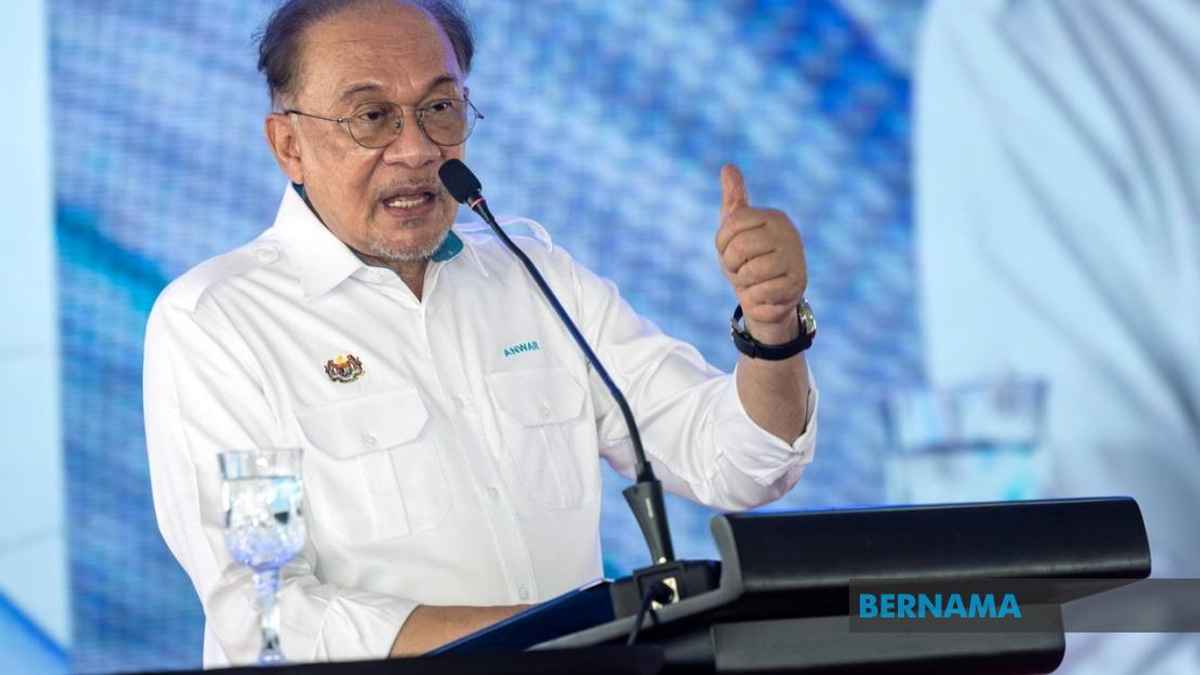
Prime Minister Datuk Seri Anwar Ibrahim will formally open the summit, lending government endorsement to an event centred on the theme 'Media Integrity Strengthens Credibility'. This apparent paradox—state leadership of a gathering ostensibly about independent journalism—reflects the Malaysian government's stated commitment to supporting professional media standards. The PM's attendance signals that official Kuala Lumpur recognises the mutual interest between government and press in maintaining public trust through accurate reporting, even when journalists and officials occupy fundamentally different institutional positions.
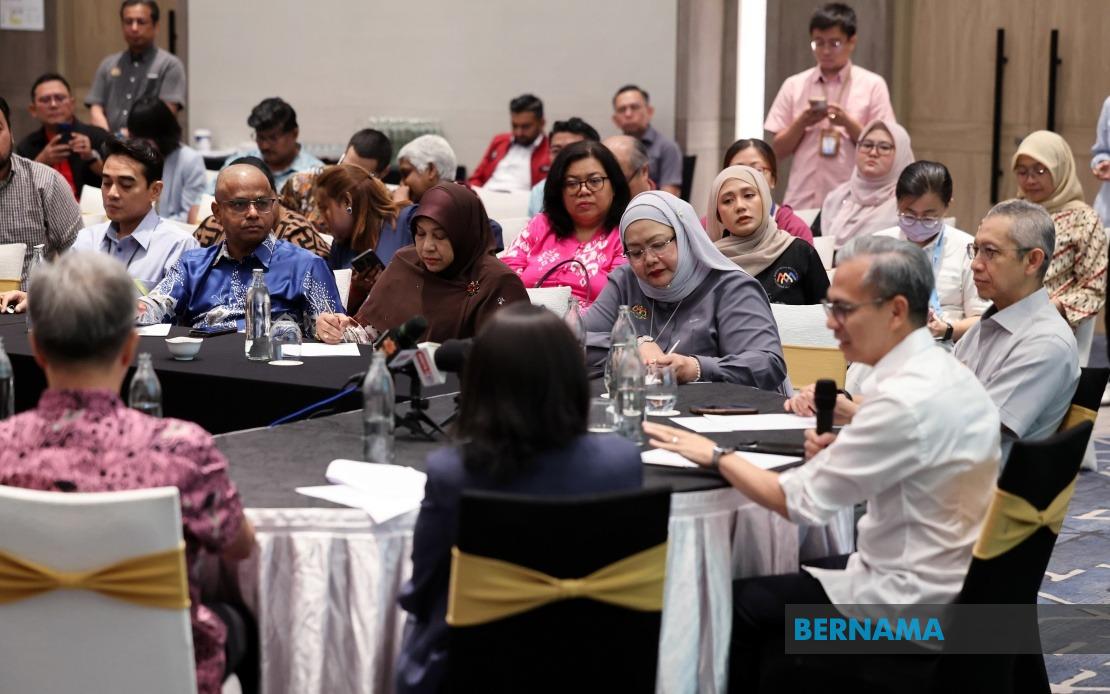
The summit is anticipated to draw approximately 1,000 registered media practitioners, making it one of the largest annual gatherings of journalists in Malaysia. This scale permits structured programming that can address technical skills development, editorial ethics, digital transformation, and business model sustainability—topics that dominate conversations in newsrooms grappling with shrinking advertising revenue and shifting audience habits. The concentration of so many professionals in one space, however briefly, creates opportunities for mentoring relationships to form and for experienced editors to guide younger journalists navigating their early careers in increasingly precarious media employment markets.
Organisation of the event falls to the Ministry of Communications, with the Malaysian National News Agency (Bernama) serving as the implementing body responsible for day-to-day logistics and programming. Bernama's role here connects to its broader mandate as Malaysia's national news agency, positioning it as custodian of journalistic standards and professional development. By housing HAWANA within Bernama's organisational portfolio, the government reinforces the principle that journalism excellence and institutional credibility are intertwined concerns requiring coordinated effort rather than isolated individual effort.
The selection of 'Media Integrity Strengthens Credibility' as the summit's central theme addresses fundamental anxieties within the profession. Journalists across Southeast Asia confront persistent questions about their legitimacy, particularly when faced with accusations of bias, political alignment, or sensationalism. By making integrity the explicit focus, HAWANA 2026 acknowledges that technical competence in newsgathering and reporting, while necessary, proves insufficient without demonstrable commitment to truthfulness, transparency about sourcing and methodology, and accountability when errors occur. This thematic emphasis suggests organisers understand that public trust in media depends less on declarations of objectivity than on demonstrated patterns of honest practice over time.
For Malaysian newsrooms specifically, participation in HAWANA offers occasion to reflect on the profession's role in a democracy still negotiating questions of political pluralism and information freedom. The presence of foreign journalists from neighbouring countries inevitably invites comparison and raises questions about press freedom gradations across ASEAN. These conversations, while potentially uncomfortable, help strengthen the profession by exposing practitioners to different regulatory contexts and ethical frameworks, broadening perspectives beyond what any single national media system can provide.
The summit also represents an implicit response to broader challenges confronting journalism globally. The rise of artificial intelligence, the fragmentation of audiences across competing platforms, the economics of digital publishing, and the proliferation of misinformation all shape the operating environment for journalists working in Malaysia and throughout the region. By convening practitioners to discuss media integrity specifically, HAWANA 2026 frames these challenges not primarily as technical or economic problems requiring technological solutions, but as fundamentally ethical questions about what professional responsibilities journalists bear toward their communities and publics.
As delegates settle into the convention centre over the coming days, the summit will likely generate policy recommendations, professional guidelines, and collaborative projects extending well beyond the event itself. The informal networking occurring in exhibition spaces and hallways frequently produces the most enduring professional relationships and partnerships. For Malaysian journalism, which operates within a distinctive regulatory and political context, these connections to ASEAN peers provide invaluable perspective and support, reinforcing the principle that media professionalism transcends national borders even as it must account for local conditions and constraints.

%22%2F%3E%3C%2Fpattern%3E%3C%2Fdefs%3E%3Crect%20width%3D%22100%25%22%20height%3D%22100%25%22%20fill%3D%22url(%23phf3lfg)%22%2F%3E%3Crect%20width%3D%22100%25%22%20height%3D%22100%25%22%20fill%3D%22url(%23phf3lfp)%22%2F%3E%3Ctext%20x%3D%2250%25%22%20y%3D%2250%25%22%20text-anchor%3D%22middle%22%20dominant-baseline%3D%22central%22%20fill%3D%22rgba(255%2C255%2C255%2C0.95)%22%20font-family%3D%22Georgia%2C%20'Times%20New%20Roman'%2C%20serif%22%20font-weight%3D%22700%22%20font-size%3D%22272%22%20letter-spacing%3D%22-0.02em%22%3EAnwar%3C%2Ftext%3E%3C%2Fsvg%3E)