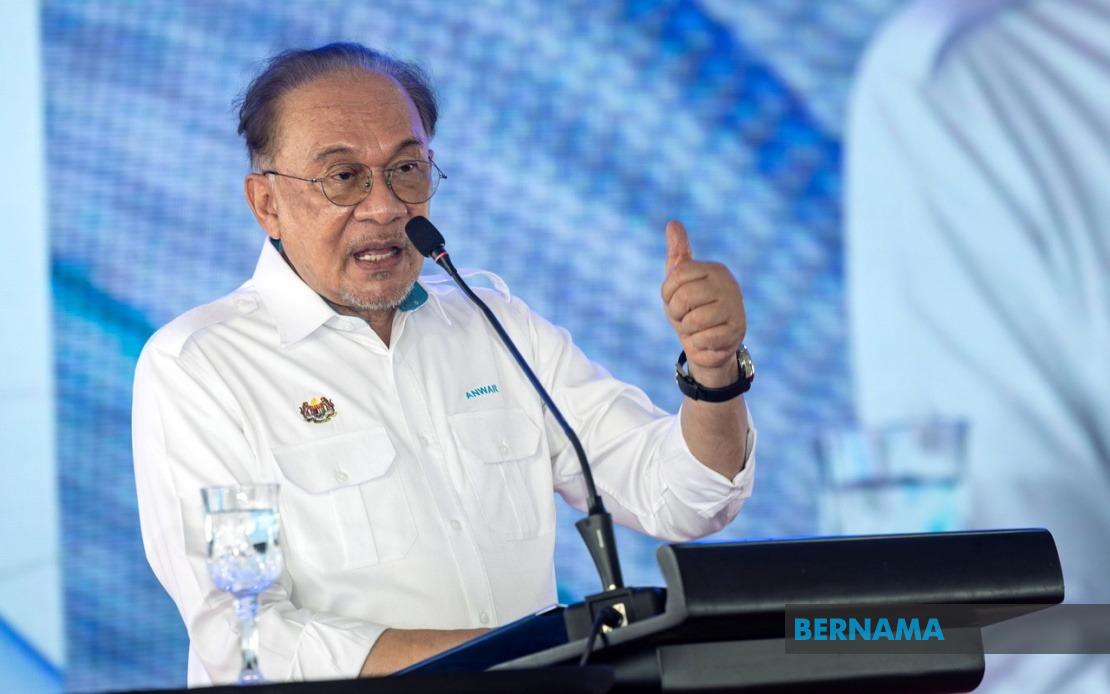
Prime Minister Datuk Seri Anwar Ibrahim has unveiled a significant milestone for Malaysia's energy infrastructure, announcing comprehensive cooperation frameworks with Russia and Turkmenistan that are expected to underpin the nation's energy security well into the coming decades. Speaking at the groundbreaking ceremony for the Setia Fontaines Industrial Park in Kepala Batas, Anwar outlined how these strategic partnerships represent a crucial development in addressing Malaysia's long-term resource requirements and economic stability.
During his recent official visit to Russia, Anwar held discussions with President Vladimir Putin in Kazan, during which assurances were provided regarding a long-term supply arrangement spanning a minimum of 20 years. This agreement encompasses crude oil, liquefied natural gas, and diesel products—the fundamental energy commodities that power Malaysia's industrial economy and support household consumption. The undertaking reflects the depth of bilateral relations that have been cultivated between Kuala Lumpur and Moscow, positioning energy cooperation as a cornerstone of mutual diplomatic engagement.
The Turkmenistan component of this energy strategy represents an equally significant development, with even more expansive implications for Malaysia's resource position. Following Anwar's official visit to Ashgabat, Turkmenistan has granted Malaysia unprecedented access to its petroleum and natural gas sectors. This breakthrough represents a substantial shift in Malaysia's energy sourcing landscape, as Turkmenistan possesses some of the world's most substantial proven gas reserves. The arrangement effectively transforms Malaysia's position from a traditional exporter of energy resources to a nation capable of securing vast quantities of hydrocarbons for both domestic consumption and strategic export.
The strategic importance of accessing Turkmenistan's reserves cannot be overstated. With global energy markets experiencing considerable volatility and supply chain vulnerabilities increasingly evident, Malaysia's ability to lock in reliable sources of gas and oil for several decades represents a significant competitive advantage. The nation's existing energy infrastructure and refining capabilities position it well to leverage this new access, converting raw resources into value-added products and refined exports. This capacity to guarantee stable supply chains to end-consumers differentiates Malaysia from less strategically positioned nations in the region.
Anwar has emphasized that these energy resources will support not only Malaysia's domestic economic requirements but also facilitate expanded exports to major regional and global energy consumers. China, Japan, and South Korea—three of the world's largest energy-importing nations—represent primary markets for Malaysian energy exports. These countries face perpetual challenges in securing stable, long-term energy supplies and have demonstrated consistent willingness to engage in strategic partnerships with reliable supplier nations. Malaysia's enhanced access to Turkmen gas reserves positions the country as a more credible and substantial energy partner for these critical economies.
The diplomatic foundation for these arrangements was substantially reinforced during Turkmenistan President Serdar Berdimuhamedov's official visit to Malaysia in December 2024. This high-level engagement facilitated the negotiations that ultimately led to the breakthrough energy access arrangement. The sequence of diplomatic engagement demonstrates how sustained political dialogue and relationship-building can translate into tangible economic benefits. This diplomatic trajectory offers lessons for other Southeast Asian nations seeking to enhance their strategic positioning through international partnerships.
From Malaysia's perspective, energy security represents far more than merely ensuring electricity generation and transportation fuel availability. A reliable, long-term energy supply foundation enables governments to pursue industrial development policies with greater confidence, attract foreign investment in energy-intensive manufacturing sectors, and create employment opportunities across extraction, processing, and distribution value chains. The twenty-year commitment from Russia and the expanded access to Turkmen reserves provide Malaysian policymakers with unprecedented visibility and certainty regarding energy availability, enabling more ambitious economic planning.
Anwar has framed these international partnerships as integral to a broader strategy of leveraging diplomatic relationships to advance national interests comprehensively. Energy security intersects directly with employment creation, as the development and operation of energy infrastructure generates skilled and semi-skilled job opportunities across multiple regions. The energy sector's integration with manufacturing and export-oriented industries creates multiplier effects throughout the broader economy. By securing reliable energy supplies, Malaysia enhances its competitive positioning as a manufacturing and export hub within regional and global markets.
The timing of these announcements carries particular significance given the evolving geopolitical landscape in Asia-Pacific. Supply chain diversification and the reduction of dependence on any single source of critical commodities has emerged as a paramount concern for governments across the region. Malaysia's establishment of relationships spanning from Europe through Central Asia to East Asia demonstrates a sophisticated approach to risk management. By developing energy relationships with both Russia and Turkmenistan, Malaysia reduces vulnerability to disruptions from any single supplier while positioning itself as a reliable intermediary in regional energy markets.
These energy agreements also reflect broader geopolitical reorientation trends within Southeast Asia. Nations throughout the region are increasingly pursuing independent foreign policies and strategic partnerships based on national interest calculations rather than adhering to prescribed alliance frameworks. Malaysia's engagement with both Russia and Central Asian nations while maintaining traditional partnerships in the Western sphere demonstrates the region's capacity to balance competing interests and pursue pragmatic, diversified approaches to resource security.
The implementation of these energy cooperation frameworks will require substantial infrastructure development, from enhanced port and storage facilities to expanded pipeline networks and liquefaction capacity. These capital investments will generate secondary economic benefits through construction employment, technology transfer, and the development of specialized technical expertise within Malaysia's workforce. The long-term commitment from Russia and Turkmenistan provides the commercial certainty necessary to justify such investments, reducing the financial risk profile associated with these projects.
Looking forward, Malaysia's enhanced energy security position may facilitate deeper regional cooperation on energy matters. Other Southeast Asian nations facing similar energy security challenges may look to Malaysia's diplomatic model and seek comparable arrangements with resource-rich nations. The precedent established through these agreements could catalyze a more interconnected regional energy security framework, reducing vulnerability across Southeast Asia and enhancing collective economic resilience. Malaysia's leadership role in forging these strategic partnerships positions the nation as a pivotal player in regional energy diplomacy.