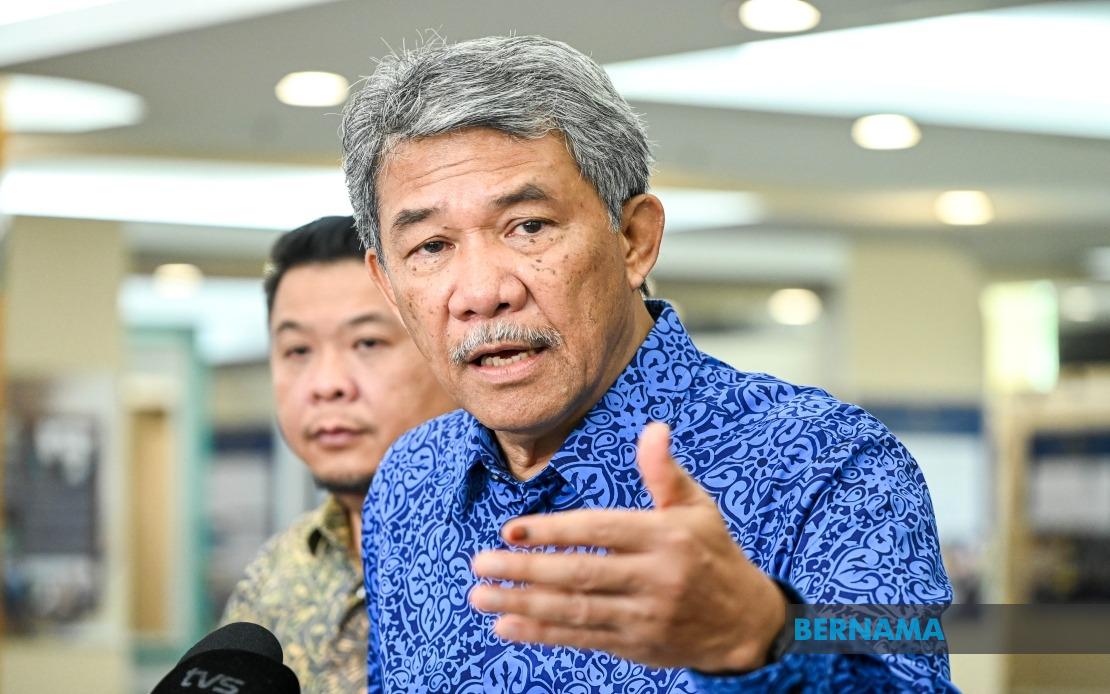
ASEAN has significant untapped economic potential that hinges on deepening trade relationships among its member states, according to Foreign Minister Datuk Seri Mohamad Hasan. Speaking at the 59th ASEAN Day celebration in Putrajaya on Monday, he highlighted that intra-ASEAN trade currently accounts for less than 25 per cent—a figure considerably below what the region's collective economic strength should support. For the bloc to realise its ambitious goal of becoming the world's fourth-largest economic powerhouse by 2030, member nations must substantially increase bilateral and multilateral trade flows, creating a more integrated and competitive regional market.
The path forward represents a strategic shift in ASEAN's priorities. While the regional grouping has historically concentrated its diplomatic efforts on political consensus-building and conflict prevention, the focus has evolved to encompass comprehensive economic integration. Mohamad underscored this transformation, noting that ASEAN member states now recognise that sustained prosperity and geopolitical influence depend on constructing a robust economic foundation. The current level of intra-regional trade reveals considerable room for expansion, suggesting that many complementary trade opportunities remain underexploited across the ten-member bloc.
ASEAN possesses an established institutional framework designed to facilitate greater trade flows among its members. The free movement of goods mechanism stands as a cornerstone of these efforts, theoretically allowing products to circulate across borders with minimal tariff and non-tariff barriers. This foundational policy creates the conditions for suppliers and manufacturers to develop cross-border supply chains, regional distribution networks, and integrated production ecosystems. Yet despite these enabling structures being in place, actual commercial activity among member states has not reached the levels that economic fundamentals would suggest, indicating that structural barriers, regulatory inconsistencies, or insufficient market information may be limiting trade growth.
Malaysia's recent tenure as ASEAN chair has contributed substantively to the regional economic agenda. During its leadership period, the country championed multiple initiatives and policy resolutions intended to strengthen the foundation for sustained economic cooperation. The Kuala Lumpur Declaration emerged from Malaysia's chairmanship as a key statement of collective intent, outlining commitments to various trade and investment facilitation measures. These proposals and frameworks are not merely aspirational documents; they represent concrete commitments that subsequent ASEAN chairs, including the Philippines in its current role, must implement and build upon to maintain momentum toward the 2030 vision.
The Philippines' assumption of the ASEAN chair this year carries forward the institutional continuity necessary for regional integration efforts to succeed. As the current convener of ASEAN meetings and policy discussions, Manila is tasked with advancing the proposals and resolutions established under Malaysia's leadership while introducing complementary initiatives tailored to contemporary economic challenges. This succession mechanism ensures that ASEAN's economic agenda does not stall when leadership transitions occur; instead, each chair builds incrementally on previous accomplishments, creating a cumulative body of policy reforms that gradually remove barriers to trade and investment throughout the region.
Malaysia's appointment as Permanent Shepherd of the ASEAN Community 2045 vision places the country in a custodial role for the bloc's long-term strategic direction. This designation reflects Malaysia's commitment to ensuring that the foundational elements underpinning ASEAN's 2045 objectives—particularly strengthened intra-regional trade—are continuously reinforced and advanced. The Permanent Shepherd concept acknowledges that achieving transformational goals requires sustained institutional support beyond individual annual chairs, necessitating an anchor institution to maintain focus on core priorities even as membership and circumstances evolve. Malaysia's acceptance of this responsibility signals confidence in the region's capacity to deepen economic integration while honouring the political autonomy that ASEAN member states cherish.
The low level of current intra-ASEAN trade carries significant implications for Southeast Asia's development trajectory. When regional trade penetration remains below 25 per cent, member states inevitably maintain greater dependence on extra-regional markets for growth, investment, and employment opportunities. This external orientation leaves ASEAN collectively vulnerable to fluctuations in global demand, supply chain disruptions originating beyond the region, and economic shocks in major trading partners. By contrast, a more integrated regional economy would distribute growth opportunities more evenly across member states, create localised production networks less exposed to distant geopolitical risks, and position ASEAN as a self-reinforcing economic pole within Asia.
The distinction between ASEAN's formal economic frameworks and actual trade performance warrants examination. While the institutional architecture for liberalised trade exists, complementary investments in physical infrastructure—ports, railways, roads connecting member states—remain uneven. Additionally, regulatory harmonisation lags behind formal policy commitments, with varying standards for product certification, labour practices, and environmental compliance creating hidden costs for traders navigating multiple jurisdictions. Information asymmetries persist, whereby small and medium enterprises within member states lack reliable data about market opportunities, trading partners, and regulatory requirements in neighbouring countries. These practical obstacles explain why formal trade liberalisation mechanisms have not automatically generated higher trade volumes.
For Malaysian readers and businesses, the push to increase intra-ASEAN trade presents both opportunities and challenges. Malaysia's position as a developed ASEAN economy with advanced financial services, manufacturing capabilities, and logistics infrastructure positions the country well to serve as a regional hub for trade facilitation. However, deeper integration also means increased competition from neighbours across a wider range of sectors. The success of Malaysia's role as Permanent Shepherd will depend on fashioning policies that expand the economic pie for all ASEAN members rather than merely redistributing existing opportunities. This requires sustained investment in digital infrastructure enabling cross-border commerce, capacity-building programmes for businesses in less-developed member states, and dispute resolution mechanisms that protect legitimate commercial interests while preventing protectionist backsliding.
The 2030 timeline for achieving fourth-largest economy status is neither arbitrary nor distant—it represents a concrete deadline that requires accelerating current implementation pace. Member states must move beyond declaring support for intra-ASEAN trade integration and commit resources to removing documented obstacles. Technical assistance programmes should help streamline customs procedures, establish mutual recognition agreements for product standards, and develop human capital capable of managing complex regional supply chains. The ASEAN Secretariat and member state governments must regularly audit progress against quantifiable targets, publishing transparent reports on trade growth, investment flows, and market share gains. Without accountability mechanisms and periodic course corrections, aspirational statements risk becoming rhetoric detached from reality, ultimately disappointing stakeholders who have invested in regional integration projects.

