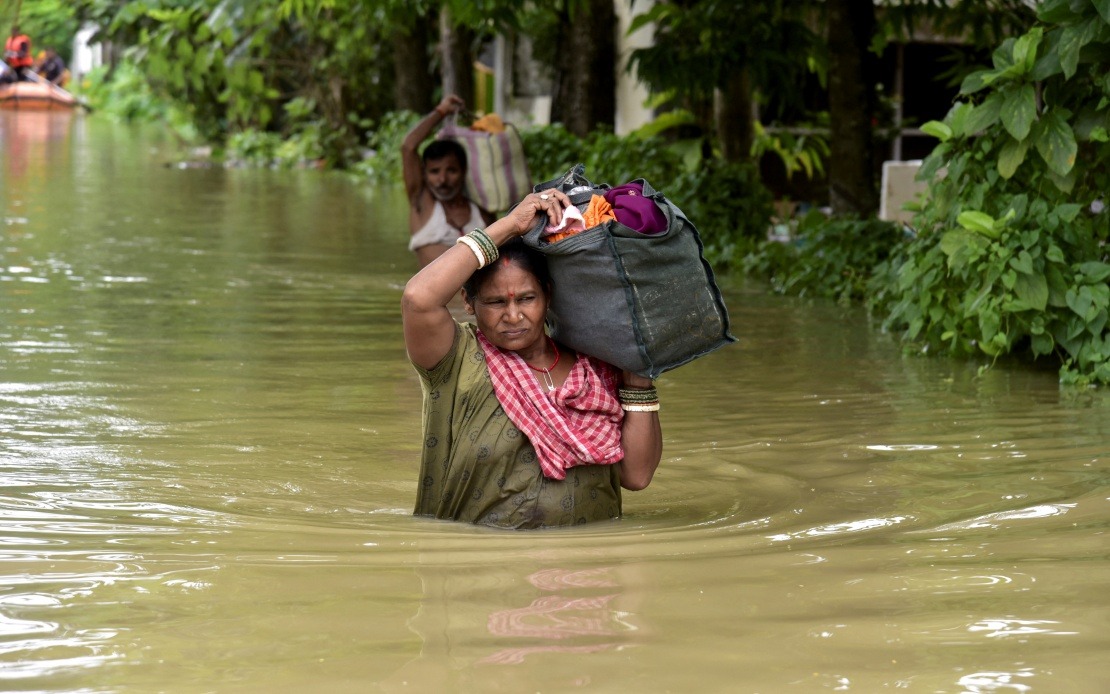
Assam's devastating monsoon floods have claimed at least 62 lives, with eight people still unaccounted for, according to Chief Minister Himanta Biswa Sarma. The disaster has displaced over 1.1 million residents across the northeastern state, marking one of the most severe flooding episodes in recent memory for the region. The scale of the humanitarian crisis has forced authorities to mobilise resources across nearly all administrative divisions of Assam, as water levels continue to rise and submerge fresh areas.
The geographical spread of the flooding underscores the severity of this year's monsoon deluge. Twenty-five districts in Assam are currently affected, with 2,101 villages entirely submerged under floodwaters. This widespread inundation affects not just urban centres but also numerous rural communities that often face prolonged isolation during such disasters. The sheer number of affected settlements suggests that coordinated rescue and relief efforts face significant logistical challenges, particularly in reaching remote villages where communication infrastructure may have been compromised by the flooding.
The agricultural toll from this disaster promises to be substantial and long-lasting. The Assam State Disaster Management Authority reports that 56,606 hectares of cropland remain underwater, representing a devastating blow to the state's farming communities. Given that agriculture remains a cornerstone of Assam's economy and employs a significant portion of its population, this crop damage will likely trigger secondary economic disruptions extending well beyond the immediate flood period. Farmers will face not only lost harvests but also potential soil degradation and delayed planting cycles for subsequent seasons.
To address the humanitarian emergency, the government has established 170 relief camps and 1,304 relief distribution centres throughout the affected districts. These facilities have so far provided food and shelter to approximately 45,004 people, though the numbers suggest that significant portions of the displaced population remain in inadequate shelter situations. The disparity between the total affected population and those receiving aid from official camps indicates that many families are either unwilling to leave their homes, unable to reach camps, or that existing infrastructure cannot accommodate the full scale of displacement.
Water levels pose an ongoing threat to human settlements and infrastructure. The Central Water Commission has flagged that multiple tributaries of the Brahmaputra River are flowing above danger levels, creating the prospect of continued flooding and renewed displacement in coming days. The Brahmaputra system, which drains much of the Himalayan region, can swell rapidly during peak monsoon months, and tributaries overflowing their banks typically signals the most severe phases of annual flooding. This hydrological situation means that current rescue efforts must remain in constant readiness for potential escalation.
State authorities have intensified rescue and relief operations across all 25 affected districts, coordinating between local administration and emergency response teams. However, the intensity of these efforts suggests that initial responses may have been insufficient to contain the crisis. Scaling up rescue operations at this stage requires deploying additional personnel, equipment, and logistical support, which can strain resources across the state administration. The ongoing nature of these intensified operations indicates that the acute emergency phase remains active rather than transitioning toward recovery.
For Malaysia and other Southeast Asian nations, Assam's flooding carries important lessons about climate resilience and disaster preparedness. The region shares similar monsoon weather patterns and river systems with parts of Southeast Asia, and annual flooding in Assam demonstrates the vulnerability of heavily populated lowland areas in South and Southeast Asia. Malaysia, which also experiences monsoon-driven flooding particularly in peninsular states, can draw insights from how Assam mobilises its relief infrastructure and manages displacement on such a large scale.
Assam's recurring flood crisis reflects a broader pattern across the Indian subcontinent. Flooding during the monsoon season represents a predictable annual disaster, yet communities and infrastructure remain inadequately protected against its impacts. The regularity of these inundations suggests that structural solutions—such as improved embankment systems, better water management, and land-use planning—remain inadequately implemented despite repeated devastation. This cyclical pattern creates cumulative socioeconomic damage that compounds year after year, trapping affected communities in cycles of recovery and renewed disaster.
The missing persons add a tragic dimension to the official casualty figures. Eight individuals unaccounted for likely indicates bodies still trapped in floodwaters or individuals swept away in the initial surge, with recovery efforts continuing in dangerous conditions. Each missing person represents both an immediate humanitarian concern and a potential addition to the death toll as search operations progress.
Looking forward, the scale of this disaster will require sustained relief efforts extending well beyond the immediate flood recession. Assam faces weeks of rehabilitation work, including disease prevention in flood-affected areas, reconstruction of damaged infrastructure, and restoration of agricultural livelihoods. The psychological and social impacts on displaced communities will persist long after waters recede, as trauma, disease outbreaks, and economic hardship follow in the wake of large-scale flooding. International relief assistance may eventually become necessary if state and national resources prove insufficient for the reconstruction phase.

