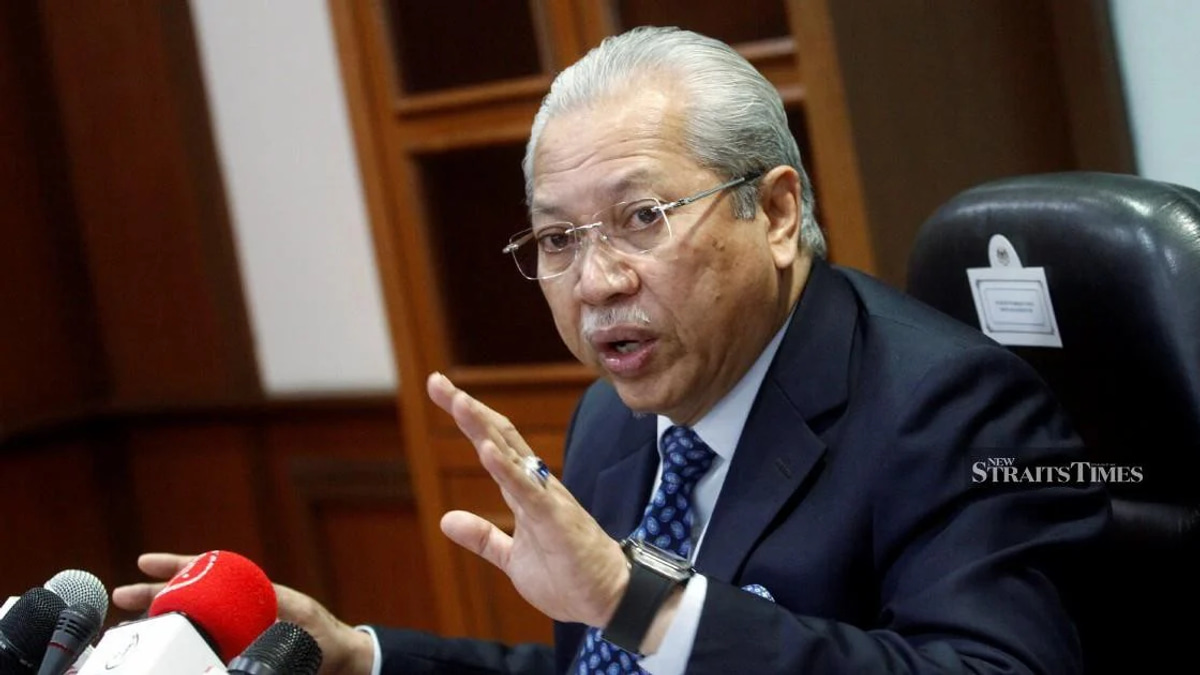
Former Ateneo de Manila University men's basketball coach Tab Baldwin presented himself for questioning at Philippine police headquarters on Friday morning as authorities continue their investigation into a tragic training accident that claimed the lives of two young athletes. Baldwin arrived at the Criminal Investigation and Detection Group (CIDG) facility in Camp Crame, Quezon City, shortly before 8.30am, responding to the second police summons issued in relation to the incident.
The investigation centres on the deaths of basketball players Rene Baterbonia and Divine Adili, who drowned during a team training activity held along the shoreline near Dipaculao in Aurora province earlier in June. The incident has sent shockwaves through Philippine university sports circles and raised serious questions about safety protocols during athletic conditioning exercises.
Baldwin, who served as head coach of the Ateneo men's basketball programme, maintained silence throughout his arrival and departure from the police headquarters. Neither the coach nor representatives from his legal team made any public statements to journalists gathered at the facility. Security personnel also restricted media access to the CIDG compound itself, limiting the flow of information about the questioning process.
The coach's appearance represented an escalation in the police investigation following an earlier summons issued on Monday. During that initial request, Baldwin did not appear in person; instead, his legal counsel attended in his place. Dissatisfied with this response and seeking direct testimony from the coach, the CIDG issued a second, more formal subpoena compelling Baldwin's personal attendance.
The circumstances surrounding the drowning have triggered intense scrutiny of how university athletic programmes manage risk during training sessions, particularly those involving water-based activities. Questions have emerged regarding whether proper safety measures were implemented, whether lifeguards or medical personnel were present, and whether participants received adequate instruction about water hazards at the Dipaculao location.
In the aftermath of the tragedy, Ateneo de Manila University moved swiftly to address the situation. The institution announced Baldwin's resignation from his coaching position, a decision that reflected both institutional responsibility and the gravity of the incident. The resignation marked the end of Baldwin's tenure with one of the Philippines' most prominent university basketball programmes.
For Malaysian and Southeast Asian observers, the case underscores broader concerns about safety standards in university sports across the region. Educational institutions throughout the region operate athletic programmes with varying levels of oversight and safety infrastructure. The Ateneo incident serves as a cautionary reminder that even well-established institutions at prestigious universities can face tragic outcomes when proper precautions are not rigorously implemented and enforced.
The investigation remains ongoing, with police conducting interviews with other individuals who may have been present during the training activity. Authorities are attempting to establish a detailed timeline of events, determine whether weather or water conditions contributed to the drownings, and assess whether coaching decisions or institutional policies played any role in the tragedy.
University sports programmes throughout Southeast Asia increasingly face scrutiny regarding their duty of care toward student-athletes. Parents and educational administrators are becoming more vocal about demanding transparent safety protocols, emergency response procedures, and proper training for coaches handling potentially hazardous activities. The Ateneo case will likely influence how other Philippine universities and regional institutions approach risk management in their athletic departments.
The deaths of Baterbonia and Adili represent a profound loss not only for their families and the Ateneo community but also for Philippine basketball development. Both players were young athletes with significant potential. Their deaths during what should have been a routine training session highlight the unpredictability of water-related accidents and the critical importance of preparedness, supervision, and safety culture within sporting organisations.
As Baldwin cooperates with the CIDG investigation, authorities will carefully examine all aspects of the training session to determine whether criminal negligence or other offences occurred. The outcome of this investigation could have far-reaching implications for how university athletic programmes across the Philippines and the wider region structure their safety protocols and establish accountability for tragic incidents.