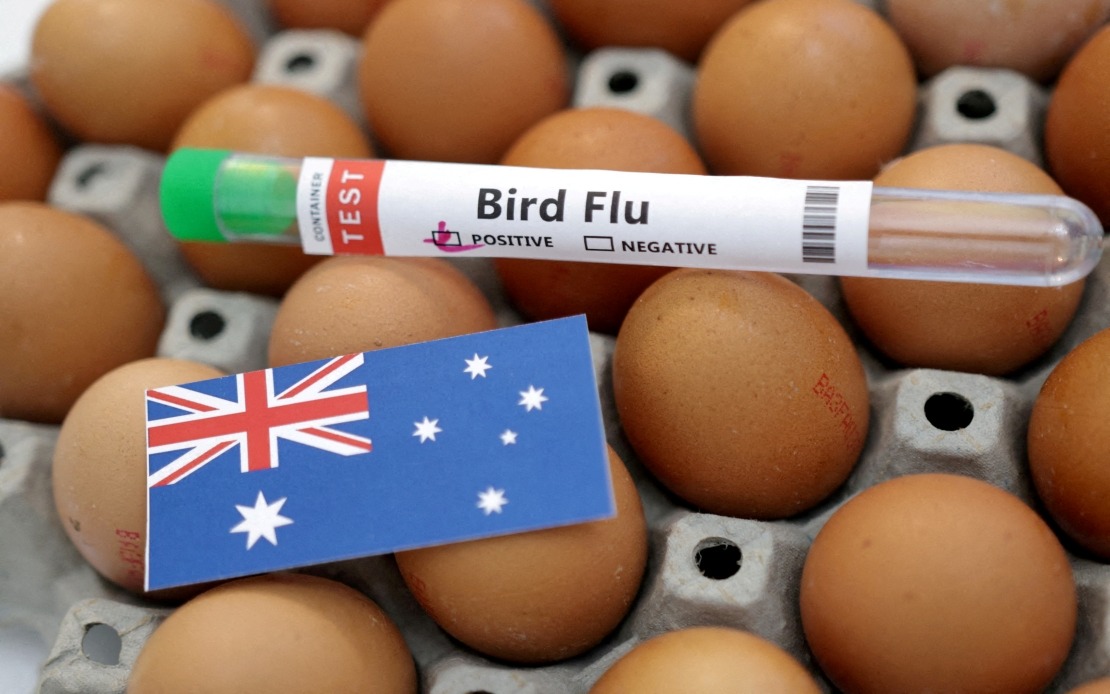
Australia's biosecurity landscape shifted on Friday when authorities confirmed the detection of H5N1 avian influenza in a greater crested tern found dead near the coastal town of Robe in South Australia. Agriculture Minister Julie Collins announced the discovery, marking a significant milestone for the continent that had previously escaped local transmission of the highly pathogenic strain. The finding intensifies concerns across the Indo-Pacific region, where countries including Malaysia and neighbouring Southeast Asian nations have grappled with periodic bird flu outbreaks among both domestic and wild populations.
The deceased seabird tested positive for the H5N1 strain, establishing definitively that the virus is now circulating among Australian mainland wildlife. Prior to this confirmation, all documented cases in Australia had occurred in migratory birds from the sub-Antarctic territories, which are geographically isolated from populated areas. The shift from imported infection via migratory species to locally-acquired transmission represents a qualitative change in the epidemiological picture, even though authorities characterise the development as anticipated rather than entirely unexpected.
What distinguishes this case from earlier detections is the biology of the affected species. The greater crested tern is non-migratory, meaning it acquired the virus locally rather than bringing it from distant breeding grounds. This detail carries substantial implications for understanding transmission pathways and potential environmental reservoirs of the virus. Scientists are currently investigating the precise mechanisms through which the seabird contracted H5N1, a process that may involve contact with infected poultry, other wildlife, or contaminated water sources. The investigation's findings could provide valuable intelligence for disease management strategies applicable across the region.
State authorities in South Australia have activated enhanced surveillance protocols in and around the Robe area where the infected bird was discovered. This response reflects standard epidemiological practice aimed at detecting secondary cases and mapping the geographical extent of viral circulation. The heightened monitoring will assess whether the detection represents an isolated incident or the tip of a broader outbreak pattern. For Malaysian authorities monitoring avian influenza trends, Australia's experience provides real-time intelligence on how established surveillance systems function when confronted with a new transmission pattern.
Minister Collins emphasised that her department's scientists are pursuing detailed investigations to determine the infection pathway. Understanding how this particular bird encountered the virus becomes crucial for identifying vulnerable populations and transmission hotspots. The analysis may reveal whether the seabird had contact with infected domestic poultry, other wild birds, or environmental contamination. The pathway findings could influence recommendations for biosecurity measures affecting both agricultural operations and wildlife management across Australian jurisdictions, potentially offering lessons applicable to other countries in the region.
Beyond the single greater crested tern case, authorities have confirmed additional H5N1 detections that contribute to a broader epidemiological picture. South Australia has reported two more confirmed cases, while Western Australia recorded one additional positive specimen. These three additional cases bring the total number of H5N1 detections across the Australian mainland to twelve since June, when Western Australia recorded the continent's first confirmed case in local wildlife. The clustering of recent detections suggests either intensified transmission or heightened detection through improved surveillance—a distinction with significant policy implications.
Australia's emergence from its status as the sole continent without confirmed H5N1 transmission in local wildlife represents a turning point in global influenza epidemiology. This milestone carries symbolic weight in scientific circles, as it demonstrates the virus's capacity to reach even geographically isolated regions with sophisticated biosecurity frameworks. For Southeast Asian nations including Malaysia, where live poultry markets and farming practices create environments conducive to zoonotic spillover, Australia's experience underscores the difficulty of maintaining indefinite isolation from emerging infectious diseases.
Minister Collins characterised the development as concerning yet consistent with epidemiological expectations, framing the discovery as evidence that Australia's biosecurity apparatus is functioning effectively. This perspective emphasises that robust surveillance systems should detect emerging threats, rather than prevent them entirely. The detection itself therefore indicates competent monitoring rather than system failure. However, the statement also reflects the reality that preventing all incursions of a virus with global circulation has become increasingly difficult.
The implications for Southeast Asia are substantial. Malaysia and neighbouring countries operate with comparable biosecurity challenges but often with fewer resources for wildlife surveillance. The Australian experience demonstrates that sophisticated monitoring systems are necessary but insufficient for maintaining indefinite separation from H5N1. For poultry industries across the region, the finding reinforces the importance of farm-level biosecurity measures, market regulations, and rapid response protocols. The pathways by which H5N1 reached Australian wildlife may resemble mechanisms that facilitate spread in more densely populated regions where human-wildlife-livestock interfaces are more complex and numerous.
The investigation into transmission pathways will likely consume considerable scientific resources and attention in coming weeks. Researchers will examine the bird's movements, feeding patterns, and potential contact with other animals or contaminated environments. They will assess whether the greater crested tern interacted with infected domestic poultry, other wild species, or water sources containing viral particles. The outcome of these investigations will inform risk assessments not only for Australia but for international partners monitoring H5N1 epidemiology. Malaysia's agricultural authorities would benefit from closely observing the results of Australian investigations, particularly regarding transmission mechanisms and surveillance responses.
Government responses to the confirmed detection reflect the established playbook for avian influenza management: enhanced surveillance, pathway investigation, and communication emphasising that appropriate systems are functioning as intended. Whether this measured response will prove adequate depends on subsequent detection patterns. If the four new cases represent the extent of circulating virus, enhanced monitoring combined with routine culling protocols and farm biosecurity measures may contain transmission. Conversely, if detections continue escalating, more intensive interventions could become necessary, potentially affecting commercial poultry operations and wildlife management strategies across affected regions.

