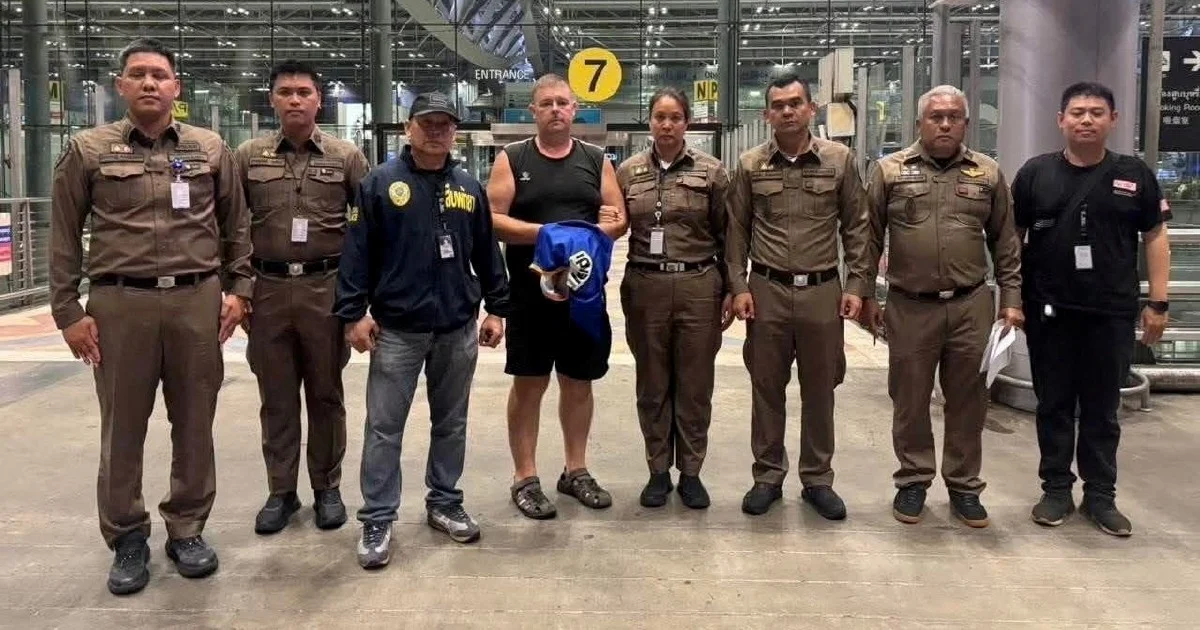
An Australian national is now facing murder charges following the discovery of a deceased 17-year-old Thai girl in a suitcase in Pattaya, marking another tragic case involving a foreign national and a young Thai victim in the beach resort city. The teenager's family members have publicly expressed their profound shock and grief over the circumstances surrounding her death, which has renewed concerns about the safety of young Thai nationals in one of Southeast Asia's most visited tourist destinations.
The case represents a disturbing pattern within Pattaya, where the intersection of tourism, transient populations, and vulnerable young people has created an environment where such tragedies occasionally occur. The discovery of the body in luggage suggests a calculated attempt to conceal evidence, adding layers of concern about the premeditation involved in this particular incident. Law enforcement authorities initiated a comprehensive investigation immediately upon discovery, leading to the swift identification of the suspect and the filing of formal charges.
Pattaya's reputation as a tourist hub has long been complicated by reports of exploitation and criminal activity targeting Thai nationals, particularly young women and teenagers from economically disadvantaged backgrounds. The city's thriving entertainment and service sectors, while economically vital for the region, have historically attracted individuals seeking to exploit vulnerable populations. This case brings those ongoing tensions into sharp focus once again, prompting discussions about victim protection and law enforcement efficacy in tourist-heavy areas.
The involvement of a foreign national in this alleged crime underscores the complexities Thai authorities face in investigating cases involving international suspects. Australia has formal extradition agreements and diplomatic relations with Thailand, facilitating the legal process. However, questions often arise regarding the investigation timeline, evidence gathering, and the consistency of treatment between foreign and Thai nationals within the Thai justice system. The expedited charging decision in this case suggests the authorities possessed substantial evidence linking the suspect to the crime.
For the family of the deceased teenager, the tragedy extends beyond the immediate shock of her death to grapple with questions about how such circumstances developed and whether warning signs were missed. Young women from rural Thailand frequently migrate to urban areas and tourist destinations seeking economic opportunity, sometimes without adequate support networks or awareness of potential dangers. The intersection of poverty, limited educational opportunities, and the lure of wages available in tourist areas creates vulnerability that predatory individuals can exploit.
The case also illuminates broader issues surrounding worker exploitation in Pattaya's entertainment and hospitality sectors. While many legitimate businesses operate within legal frameworks, enforcement of labour standards and protection mechanisms for young workers remains inconsistent. The gap between regulations on paper and their actual implementation creates environments where young people can fall through protective systems. Advocacy organisations working in the region have long identified this disconnect as a critical concern requiring enhanced government attention.
Thai tourism operators and business associations have occasionally faced criticism for insufficient self-regulation regarding the hiring and protection of young staff. Industry initiatives aimed at improving safety standards and worker welfare have made progress in some establishments, yet enforcement remains patchy across the sector. This incident will likely reignite discussions among relevant stakeholders about implementing more robust screening procedures for both Thai and foreign employees, as well as strengthening internal reporting mechanisms for suspected abuse.
The psychological impact on families in communities where such crimes occur extends beyond individual households to entire localities. In smaller towns and villages where teenagers depart for work in tourist areas, news of a tragedy reverberates through social networks, creating anxiety among parents and affecting decisions about their children's employment prospects. The agricultural communities from which many migrant workers originate face genuine dilemmas about balancing economic necessity with safety concerns, particularly when the alternative to seeking urban employment is persistent rural poverty.
From a regional perspective, this incident reflects challenges Southeast Asian nations face in protecting citizens and coordinating law enforcement across borders. Thailand, as a major tourist destination, has developed considerable experience handling cases involving foreign nationals, yet resources remain stretched, and investigative capacity varies significantly between different provinces. The concentration of tourism infrastructure in specific areas like Pattaya means that these locations bear disproportionate responsibility for managing the criminogenic factors that tourism can sometimes generate.
The Australian suspect's cooperation with Thai investigators will likely influence both the speed of prosecution and the ultimate legal outcome. Diplomatic channels between the Australian and Thai governments will become relevant should the case proceed to trial, particularly if matters of legal representation, prison conditions, or potential appeals arise. Such high-profile international cases also shape how both nations' citizens perceive each other's legal systems and commitment to justice.
For victim advocacy groups operating in Thailand, this case provides both a sobering reminder of ongoing vulnerabilities and an opportunity to push for systemic improvements. Organisations focused on human trafficking, labour exploitation, and child protection are likely to use the heightened media attention to advocate for stronger legislative protections, better enforcement of existing laws, and improved coordination between tourism authorities and social welfare agencies. The question facing Thai policymakers is whether this particular tragedy will catalyse meaningful reform or whether it will fade from public attention once media coverage subsides.

