Scientists at Australia's Walter and Eliza Hall Institute of Medical Research have unveiled a potentially transformative approach to malaria prevention that recasts mosquito bites from vectors of infection into mechanisms for building lasting immunity. The breakthrough, disclosed on Friday, represents a fundamental shift in how researchers conceptualise disease defence in malaria-endemic areas, particularly relevant for Southeast Asia where transmission rates remain stubbornly elevated despite decades of intervention efforts.
The strategy developed by the WEHI team operates through an ingenious two-stage mechanism. First, researchers administer an initial vaccination that primes the immune system to recognise and combat malaria parasites. Critically, the approach leverages the mosquito itself as a delivery mechanism for live parasites, but pairs this exposure with a specially formulated antimalarial compound designed to halt parasite development at a specific juncture in their lifecycle. This timing proves essential to the approach's effectiveness.
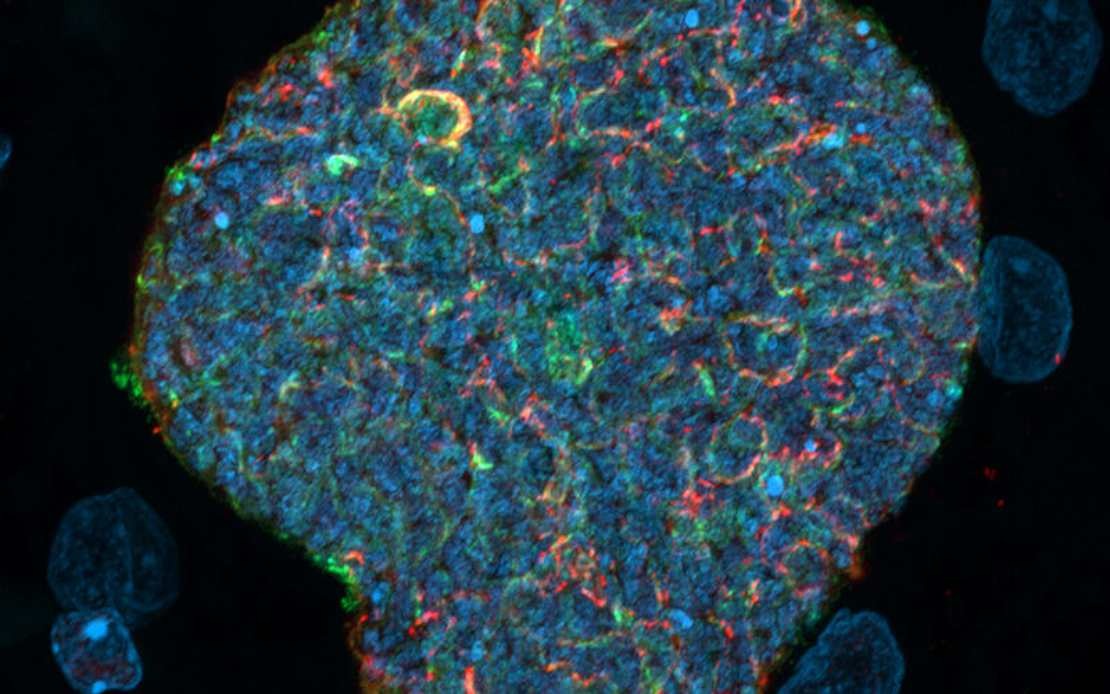
The investigational drug compounds, developed collaboratively between WEHI and pharmaceutical company MSD, function by trapping malaria parasites during their late liver stage, the critical window immediately before parasites would normally escape into the bloodstream where they multiply and trigger severe disease. By constraining parasites at this bottleneck, the immune system encounters sufficient parasite material to mount a vigorous defensive response, yet remains protected from the overwhelming parasitaemia that causes clinical malaria. This calibrated exposure generates robust and durable protective immunity.
Once the initial vaccination establishes this foundation of immunity, subsequent natural mosquito bites in endemic areas transition into natural booster doses. Rather than representing a threat, each exposure to infected mosquitoes reinforces and refreshes immune memory, progressively strengthening protection against malaria over time. This "vaccinate and boost naturally" paradigm addresses one of vaccination's persistent challenges in resource-limited settings—the difficulty of delivering repeated booster doses through conventional healthcare infrastructure. In malaria-endemic communities where mosquito exposure is unavoidable and constant, this self-boosting mechanism transforms a burden into an asset.
The implications for Southeast Asia, where malaria continues to claim significant morbidity and mortality despite regional elimination efforts in some countries, deserve careful consideration. The region encompasses diverse epidemiological situations—from countries approaching malaria elimination to areas experiencing resurgent transmission driven by drug resistance and population movement. A vaccination strategy requiring only initial administration, with natural environmental reinforcement thereafter, could prove dramatically more feasible than conventional programmes dependent on recall clinic attendance and reliable supply chains.
Malaria's global burden remains staggering. The World Health Organisation documented approximately 610,000 deaths attributable to malaria worldwide during 2024, with the vast majority occurring in Sub-Saharan Africa. However, Southeast Asia faces its own substantial challenge. Countries including Myanmar, Laos, and Cambodia continue battling Plasmodium falciparum strains demonstrating reduced susceptibility to artemisinin-based combination therapies, the current frontline treatments. This antimalarial drug resistance imperative makes innovative prevention approaches particularly urgent across the region.
The research team notes that a long-acting injectable formulation based on these compounds currently occupies preclinical development stages. This injectable would deliver the antimalarial component during the initial vaccination phase, establishing the protective immune baseline. The timeline from preclinical validation through clinical trials to potential regulatory approval typically spans several years, yet the scientific foundation appears robust enough to justify accelerated development pathways, particularly for endemic-country applications.
This approach also addresses equity dimensions that have constrained malaria vaccine uptake in developing regions. The recently approved RTS,S vaccine, while historic as the first malaria vaccine achieving regulatory authorisation, requires multiple doses and booster schedules that strain health systems in resource-constrained areas. The WEHI strategy's reliance on natural boosting potentially circumvents these logistical barriers, though implementation would require careful monitoring to ensure protection remains adequate across diverse transmission settings and demographic groups.
The mechanism by which the immune system maintains enhanced recognition of malaria parasites over extended periods represents an intriguing immunological question that extends beyond malaria control. Understanding how natural re-exposure reinforces protective immunity could inform vaccine design for other parasitic diseases endemic to tropical regions, including dengue and other vector-borne infections prevalent throughout Southeast Asia. This research trajectory potentially illuminates broader principles of immunological memory and environmental priming.
Implementation in endemic countries would require establishing initial vaccination programmes sufficient to seed populations with protective immunity, followed by surveillance to confirm that natural boosting maintains adequate protection. Regulatory frameworks, healthcare worker training, and coordination with existing malaria elimination initiatives would demand substantial investment and planning. Yet the conceptual elegance of transforming malaria's transmission ecology into a prevention advantage justifies serious consideration for pilot implementation in selected Southeast Asian settings.

