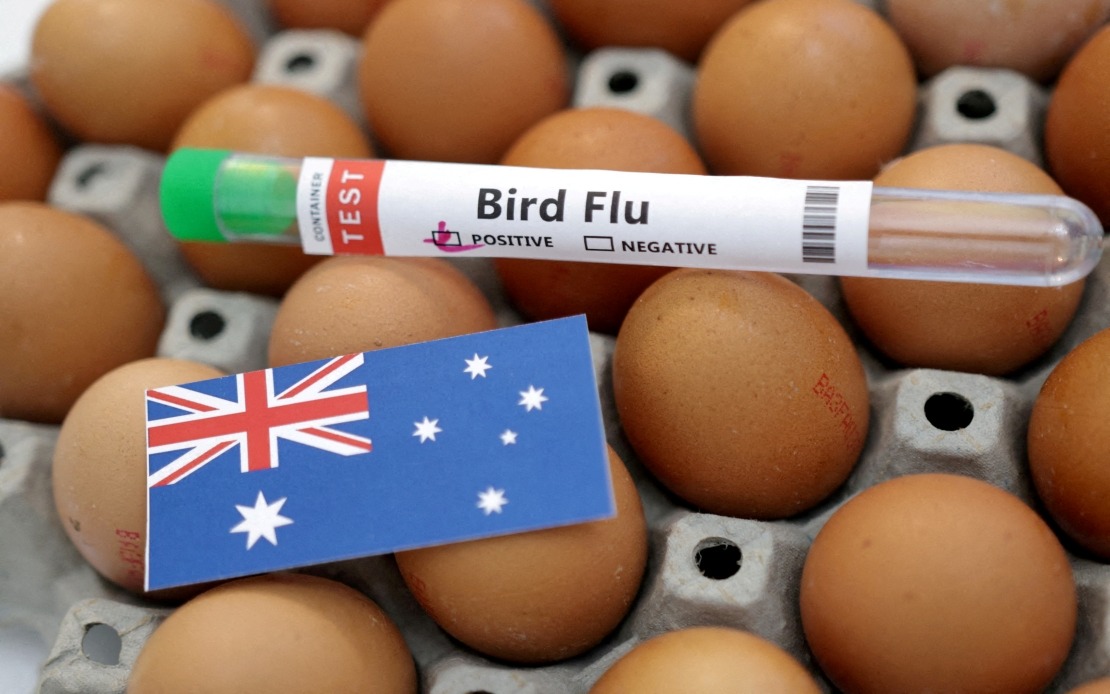
Australia's H5N1 bird flu crisis has intensified sharply, with confirmed and presumed positive cases reaching 203 by mid-August as authorities scramble to prevent the highly pathogenic strain from infiltrating the nation's poultry industry. The rapid escalation marks a critical turning point in what has become one of the country's most significant avian health emergencies, with new cases emerging across multiple states and the trajectory of transmission showing no signs of abating.
The escalation has been startling. In just over a week, case numbers have surged by nearly 290 percent compared to the 52 documented infections recorded at the end of July, demonstrating the accelerated pace at which H5N1 is spreading through wild bird populations. This exponential growth has triggered urgent policy responses from state governments, particularly in Victoria, which faces the dual challenge of managing wildlife outbreaks whilst protecting its economically significant poultry sector.
South Australia continues to bear the heaviest burden of the outbreak, accounting for more than two-thirds of all cases with 147 infections identified to date. On the single day in question, authorities recorded 28 additional cases concentrated in wild seabirds, underscoring how the virus has become endemic in coastal and waterbird populations across the southeastern regions. The predominance of wild seabirds in these tallies suggests the infection chains are currently running through natural ecosystems rather than domestic farm operations, though this distinction offers limited reassurance given the potential for cross-species transmission.
Victoria ranks as the second-most affected jurisdiction with 43 accumulated cases, including a significant cluster of 36 birds discovered and confirmed across Thursday and Friday in western regions bordering South Australia. These findings align with epidemiological patterns suggesting the virus is spreading along coastal zones where multiple bird species congregate and migrate. The geographic concentration near state borders reflects the reality that H5N1 recognises no administrative boundaries, moving freely with wildlife populations.
Recognising the acute risk to commercial operations, the Victorian government has implemented precautionary measures targeting the state's most vulnerable agricultural zone. Poultry producers operating along Victoria's southern coast, encompassing greater Melbourne and surrounding districts, now face mandatory housing requirements for flocks exceeding 50 birds. The initial confinement period of 14 days represents an attempt to create temporal separation between wild populations and domestic birds during the peak infection phase.
Victorian Agriculture Minister Michaela Settle framed the intervention as a protective strategy designed to insulate the poultry sector from zoonotic spillover. The logic underlying indoor housing is straightforward: by removing direct contact between commercial flocks and potentially infected wild birds, transmission vectors can be substantially reduced. However, such measures carry economic costs for producers, disrupting normal feeding, breeding, and welfare routines whilst imposing additional operational complexity during an already stressful period.
The federal Department of Agriculture, Fisheries and Forestry has maintained real-time surveillance and reporting protocols, issuing regular case tallies that inform government responses across state lines. This coordinated approach reflects recognition that H5N1 constitutes a national biosecurity threat requiring unified monitoring infrastructure and information-sharing mechanisms. The precision of case tracking—distinguishing confirmed from presumed positives, disaggregating by jurisdiction and species—enables targeted interventions rather than blanket restrictions.
For Southeast Asian observers, the Australian outbreak carries instructive lessons regarding H5N1's behaviour in temperate climates and highly developed regulatory environments. Unlike earlier Asian pandemics concentrated in intensive poultry farms, Australia's current crisis stems primarily from wild bird populations, suggesting different epidemiological patterns and containment challenges. The measures undertaken by Victoria foreshadow potential policy responses across the region should H5N1 establish foothold in wild populations spanning multiple countries.
The emphasis on precautionary housing of commercial flocks reflects contemporary biosecurity thinking that privileges prevention over reactive culling protocols. Rather than waiting for confirmed infections within farms before imposing restrictions, Victoria has adopted forward-looking risk management. Whether such approaches prove proportionate will depend on surveillance outcomes in coming weeks—if H5N1 remains confined to wild populations, the measures will be vindicated as reasonable foresight; if domestic birds become infected despite precautions, questions will arise regarding adequacy of the initial response.
The outbreak's trajectory also raises questions about longer-term sustainability of containment strategies. A 14-day housing mandate represents a temporally limited intervention, potentially renewable if circumstances warrant. Yet indefinite confinement proves economically unsustainable and welfare-problematic, creating pressure for alternative approaches. Australian authorities face the challenging task of calibrating restrictions tightly enough to minimise transmission risk whilst permitting viable commercial operations.
Breeder and layer operations in affected regions now confront operational uncertainty compounded by market implications. Potential production disruptions arising from housing requirements could affect domestic egg and poultry supply chains, with knock-on effects for retail pricing and consumer availability. Feed supply networks and transport logistics may also face complications if movement restrictions accompany the housing mandates.
International trade dimensions deserve consideration. Australia's poultry and egg exports face potential market access restrictions should trading partners invoke precautionary measures in response to H5N1 confirmation within the country. The European Union and other significant importers maintain stringent import protocols for products from regions experiencing avian influenza activity, meaning commercial interests now align with biosecurity imperatives in supporting containment efforts.

