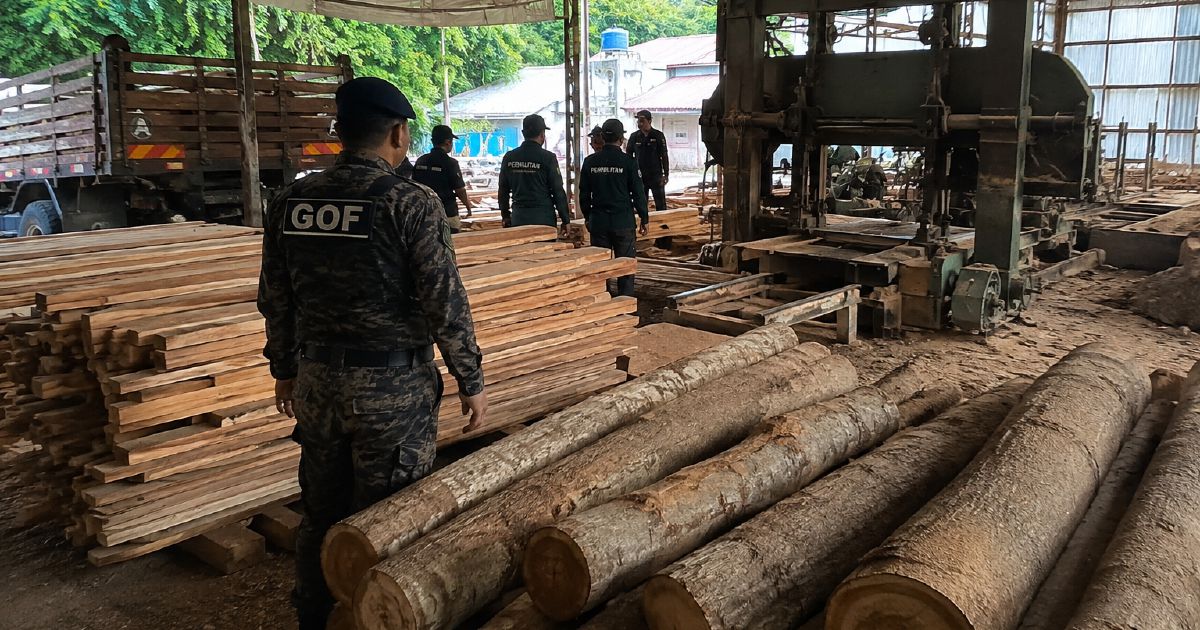
The General Operations Force (GOF) conducted an enforcement operation that resulted in the seizure of timber and processing equipment valued at RM640,510 from a sawmill in Kuala Berang, with authorities also arresting a 20-year-old man during the raid in Terengganu's capital district.
The operation underscores the continued vigilance of Malaysian law enforcement in monitoring timber-related activities across the country. Sawmill operations, particularly in resource-rich states like Terengganu, have long been subject to regulatory scrutiny given the potential for illicit timber harvesting and smuggling. The seizure reflects broader governmental efforts to ensure compliance with forestry regulations and prevent illegal exploitation of Malaysia's timber resources.
Terengganu, situated on the east coast of Peninsular Malaysia, remains an area of strategic concern for enforcement agencies due to its significant forest reserves and proximity to shipping routes. The state's lumber industry, though economically important, requires careful oversight to distinguish between legitimate operations and those engaging in unauthorized timber processing or handling of illegally sourced materials. This raid demonstrates the persistence of authorities in investigating suspected violations in the sector.
The detention of the 20-year-old suspect represents a significant element of the enforcement action, suggesting that the GOF identified potential criminal responsibility beyond mere equipment confiscation. Whether the individual faces charges related to illegal timber operations, operating without proper permits, or trafficking in protected forest products remains subject to further investigation and potential legal proceedings. The age of the detainee may also reflect the demographic reality that younger individuals are sometimes recruited into lower-level positions within suspicious supply chains.
The substantial monetary value of the confiscated materials—exceeding RM640,000—indicates this was not a minor operation. The combined worth of timber stocks and processing machinery typically reflects either a moderately significant commercial installation or an operation processing substantial volumes of material. Such valuations underline the financial stakes involved in timber-related enforcement and the potential economic impact on illicit networks.
Malaysia's forestry enforcement framework operates across multiple levels, with various agencies sharing responsibility for monitoring timber production, transportation, and export. The GOF, known for conducting targeted operations in rural and semi-rural areas, plays a critical role in this enforcement ecosystem. Their involvement in this Kuala Berang case reflects the integrated approach required to address timber-related violations, which often involve complex supply chains and multiple jurisdictional considerations.
The seizure also resonates with international scrutiny of Malaysian timber practices. Global attention to deforestation and illegal logging has placed Malaysian authorities under pressure to demonstrate credible enforcement. External certification bodies and trading partners frequently assess compliance levels, making visible seizures and prosecutions important signals of governmental commitment to sustainable forestry governance.
From a regional perspective, Southeast Asian timber trafficking networks frequently cross borders, with timber sourced in one jurisdiction processed or exported through another. Enforcement actions in individual sawmills contribute to disrupting these transnational supply chains. By removing both equipment and personnel from circulation, authorities aim to increase operational costs and risks for those engaged in violations, theoretically shifting economic incentives toward compliance.
The implications for legitimate timber operators in Terengganu warrant consideration as well. Widespread enforcement operations can sometimes create uncertainty within the broader industry, as compliant businesses must distinguish themselves from suspect competitors. This dynamic can encourage sector-wide improvements in documentation, traceability, and operational transparency. Conversely, aggressive enforcement without clear guidance on compliance pathways may frustrate legitimate actors navigating complex regulatory environments.
Looking forward, this seizure likely represents one incident within a broader enforcement campaign. Malaysian authorities typically announce significant operations as part of strategic communication about law enforcement priorities. The public disclosure of this raid in Kuala Berang signals to potential violators that monitoring remains active and consequences remain real, even as specific details about the suspect's charges and investigation trajectory await further judicial processes.
The scale and nature of this operation emphasize that timber-related violations continue to attract enforcement attention across Malaysia, particularly in states with substantial forest resources. For industry participants, regulatory bodies, and international observers monitoring Malaysian forestry governance, such enforcement actions provide indicators of governmental capacity and commitment to addressing non-compliance within the sector.

