Bersatu has moved swiftly to challenge PAS president Tan Sri Abdul Hadi Awang's assertion that the party has automatically forfeited its position within Perikatan Nasional following Tan Sri Muhyiddin Yassin's recent pronouncement regarding the formation of a fresh coalition arrangement. The dispute highlights mounting tensions within the opposition bloc and raises fundamental questions about the mechanics of political alliances in Malaysia's increasingly fragmented parliamentary landscape.
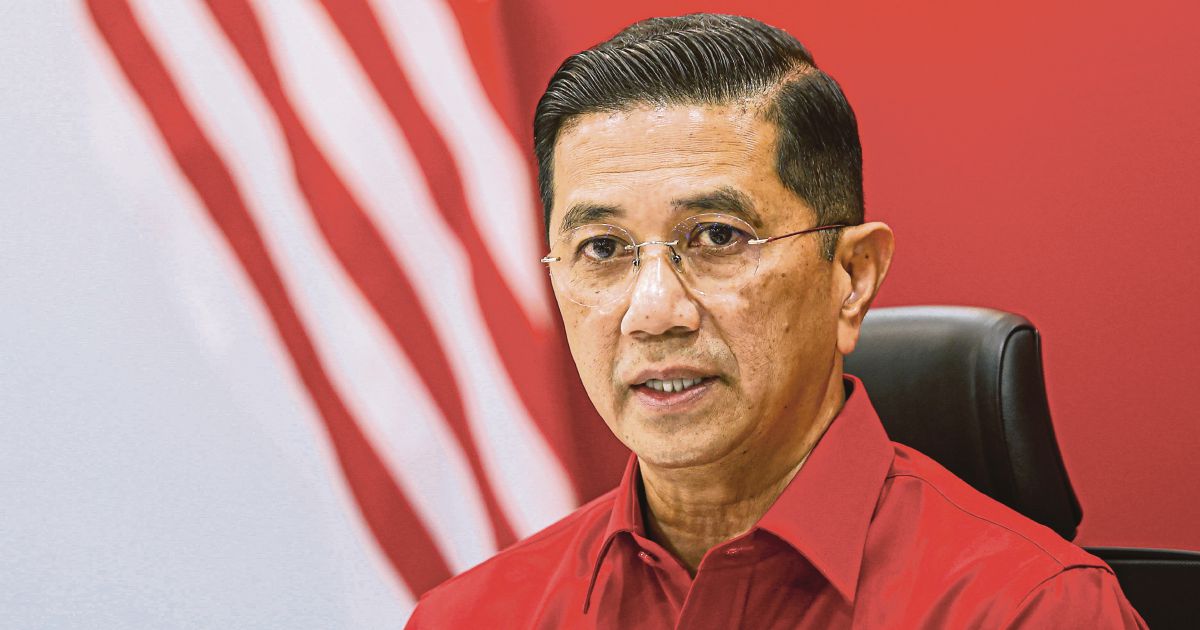
Tan Sri Azmin Ali, a senior Bersatu figure, dismissed Hadi's interpretation as legally and procedurally unfounded. The rejection underscores a critical disagreement over how coalition membership operates and what constitutes a formal withdrawal. For Malaysian political observers, this clash between two key PN component parties signals deeper fractures within an alliance that has struggled to maintain cohesion since its formation. The conflict also reflects broader disputes over leadership direction and strategic priorities within the opposition.
Muhyiddin's announcement regarding Bersatu's involvement in establishing a new coalition effectively triggered a chain reaction within PN, prompting PAS to question the viability of continued partnership. However, Bersatu's response suggests the party intends to maintain formal membership in PN while simultaneously pursuing external political arrangements. This dual-track approach represents a calculated political manoeuvre, allowing Bersatu to preserve options and maintain leverage across multiple political configurations simultaneously.
The disagreement carries substantial implications for Malaysia's political stability. PN currently holds significant parliamentary representation, and any fracture within its ranks could alter the delicate balance in parliament. Should Bersatu's departure become final, the alliance would lose considerable influence, potentially reshaping coalition mathematics at the federal and state levels. For Malaysian voters and political analysts, understanding these internal dynamics proves essential for predicting the trajectory of opposition politics and government formation possibilities.
PAS, as the largest PN component, has responded to Muhyiddin's initiatives with visible irritation. Hadi's characterisation of Bersatu's membership as automatically lapsed reflects PAS's determination to enforce strict conditions on coalition participation. The Islamic party's hardline position suggests it views Muhyiddin's coalition-building activities as incompatible with continued PN membership. This escalating dispute threatens to expose fundamental philosophical and tactical differences that have simmered within the alliance since its inception.
Bersatu's counterargument centres on technical grounds—that membership termination requires formal procedures rather than unilateral declarations or perceived incompatibilities. This legalistic approach allows Bersatu leadership to maintain negotiating flexibility while resisting what it perceives as PAS overreach. For observers tracking Malaysian political developments, this procedural argument reveals the extent to which coalition politics has become a complex game of institutional interpretation and strategic positioning.
The timing of this dispute remains significant. As Malaysia approaches potential constitutional and electoral scenarios, the stability of opposition coalitions directly affects whether the current government faces viable electoral threats or coalition alternatives. PN's internal cohesion thus becomes a matter of national political consequence, not merely an issue for party functionaries. Regional observers across Southeast Asia also monitor these developments, as Malaysian coalition politics frequently influence broader regional political dynamics.
Muhyiddin's coalition formation initiative appears designed to consolidate opposition forces under his leadership. However, this strategy has generated resistance from PAS, which maintains its own political ambitions and seeks to protect its institutional interests. The resulting standoff between these factions within PN illustrates how personal rivalries, institutional competition, and strategic divergence can undermine alliance structures that ostensibly share common opposition to the ruling coalition.
For ordinary Malaysians, these internal opposition politics hold practical significance. The strength and coherence of opposition coalitions directly influence voters' assessment of viable alternatives to current governance. Should PN fragment due to irreconcilable differences, voters may perceive weakened opposition prospects, potentially affecting electoral calculations and political participation. Additionally, coalition dysfunction can create governance vacuums and political uncertainty that impact economic confidence and policy implementation across multiple sectors.
Bersatu's position as a relatively junior partner within PN, despite Muhyiddin's historical prominence, creates inherent vulnerability. The party must balance maintaining PN membership with pursuing Muhyiddin's independent coalition vision. This balancing act requires sophisticated political management and clear communication of party interests. Missteps could result in genuine expulsion or complete coalition collapse, neither scenario favourable for Bersatu's long-term political viability.
Hadi's aggressive posture reflects PAS's confidence in its institutional position and growing assertiveness within opposition politics. The party believes it can enforce conditions on junior partners and shape PN's strategic direction according to its preferences. However, this confrontational approach risks pushing Bersatu toward genuine separation or seeking alternative alliance configurations, potentially weakening PN's overall electoral competitiveness and parliamentary influence.
As this dispute continues, resolution mechanisms become crucial. Whether PN can restore functional unity through negotiated settlements or whether this conflict escalates toward irreversible schism remains uncertain. The outcome will substantially determine opposition political trajectories throughout the remainder of this parliamentary term and shape coalition possibilities for potential future elections. Political observers across Malaysia and the region will closely monitor whether Bersatu and PAS can reconcile their differences or whether PN effectively dissolves into competing factions.

