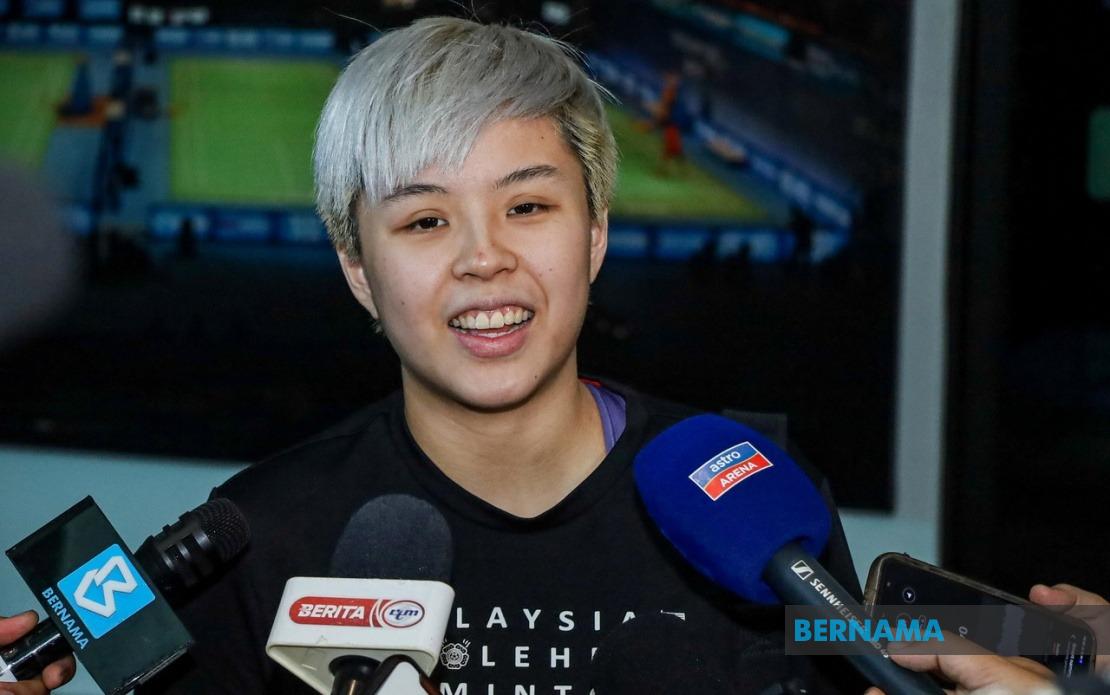
National mixed doubles shuttler Toh Ee Wei has successfully undergone surgery to repair a torn anterior cruciate ligament in her left knee, marking an important milestone in her recovery from an injury sustained at the Singapore Open last month. The procedure was completed in Melbourne, Australia, with the Badminton Association of Malaysia confirming the operation's success and pledging comprehensive support as the player embarks on her rehabilitation pathway.
The injury occurred during a quarter-final match at the Singapore Open 2026, sidelining one of Malaysia's promising mixed doubles competitors at a critical juncture in the international badminton calendar. ACL injuries are among the most serious knee injuries in sports, typically requiring surgery followed by months of intensive physiotherapy and gradual return-to-competition protocols. The decision to perform the procedure in Melbourne reflects the specialist expertise available in Australian medical facilities for sports-related injuries, though it also underscores the commitment both BAM and Ee Wei have made to ensuring optimal surgical outcomes.
Through an official statement, BAM reaffirmed its commitment to supporting Ee Wei throughout her recovery process, promising continued medical supervision and rehabilitation resources. The association's pledge extends beyond immediate post-operative care, signalling recognition of the long-term nature of ACL recovery and the patience required before athletes can safely return to competitive play. Such institutional backing is crucial for player welfare and demonstrates how national sports bodies are increasingly prioritising athlete health and structured recovery timelines rather than rushing returns to competition.
Ee Wei herself expressed relief at the successful completion of surgery, acknowledging the emotional and physical challenges of navigating a serious injury. Her statement highlighted the significance of supporter messages and well-wishes received during the preceding weeks, indicating how crucial mental resilience and community encouragement are during injury crises. The player's focus has now shifted entirely to rehabilitation, a phase that will determine not only her timeline for return but also her long-term career trajectory and injury resilience.
ACL injuries in badminton are particularly demanding because the sport requires explosive lateral movements, rapid direction changes, and high-impact landings—all movements that place considerable stress on the knee joint. Recovery from ACL surgery typically spans six to nine months before athletes can consider gradual return to competitive training, with full match fitness requiring even longer. The quality of rehabilitation, access to specialist physiotherapists, and psychological support during this extended period will significantly influence Ee Wei's prospects of returning to her previous performance level.
For Malaysian badminton, the loss of a mixed doubles player of Ee Wei's calibre represents a notable gap in national competitive capacity, particularly as the sport navigates towards major tournaments and qualifying cycles. However, the incident also highlights the physical demands placed on contemporary badminton athletes and raises questions about injury prevention strategies, training load management, and the balance between competitive intensity and athlete longevity that national sports programmes must address.
The mixed doubles discipline in badminton requires seamless partnership between two players, and Ee Wei's absence will necessitate adjustments to Malaysia's competitive pairings and tournament plans. Depending on the timeline for her return, the national body may need to develop alternative combinations or reconfigure its international tournament schedule to accommodate her rehabilitation period. Such logistical challenges underline how individual athlete injuries ripple through team structures and national competition strategies.
Ee Wei's commitment to a rigorous rehabilitation process, as articulated in her statement, suggests a player determined to return stronger rather than prematurely rushing back to competition. This mindset is essential for successful ACL recovery and reflects a mature approach to injury management increasingly seen among elite Malaysian athletes. Her determination to give full commitment to recovery, rather than viewing the rehabilitation phase as merely transitional, may ultimately serve her career longevity better than a rushed return.
As Ee Wei begins what will undoubtedly be a challenging months-long recovery, her journey will be closely monitored by Malaysian badminton enthusiasts and the broader sports community. The success of her rehabilitation and eventual return to competition will provide valuable insights into how national sports bodies manage athlete welfare and recovery processes. BAM's continued involvement and resource allocation throughout this period will also set important precedents for how the association supports players through career-threatening injuries, potentially influencing athlete confidence and trust in the organisation's commitment to player welfare beyond the competitive arena.

