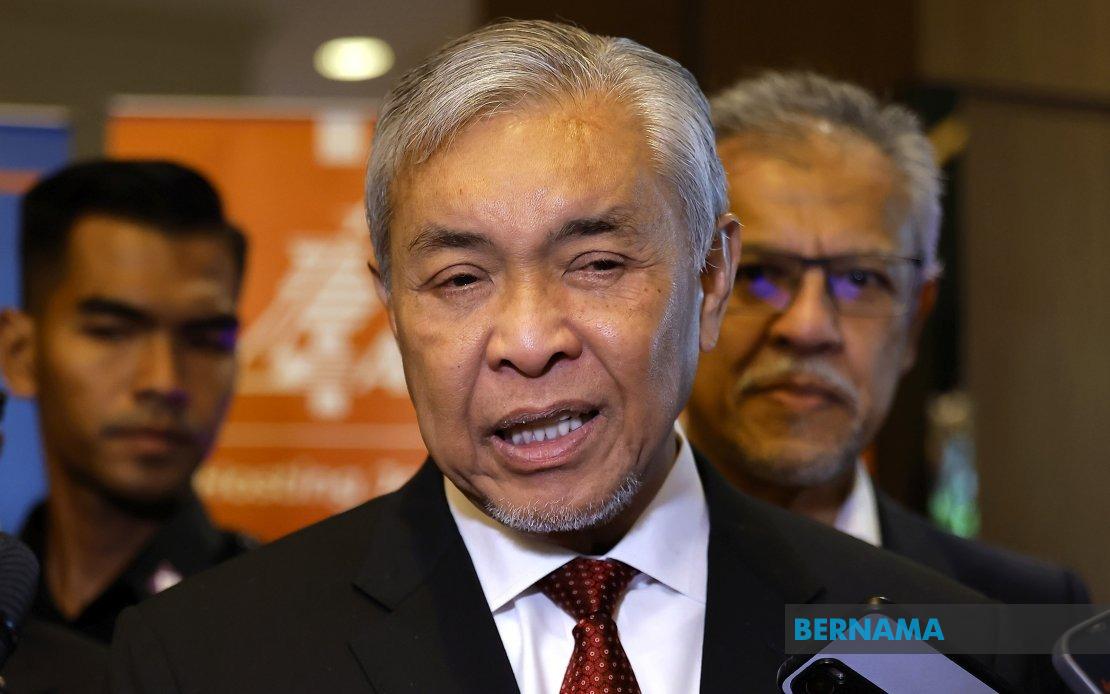
The Sepang International Circuit is set to welcome Formula One's elite drivers and teams in October 2026, when Malaysia becomes the venue for the Bahrain Gulf Air Grand Prix. This unexpected development marks a significant opportunity for the nation's sporting infrastructure and international standing, according to Deputy Prime Minister Datuk Seri Dr Ahmad Zahid Hamidi, who outlined the strategic advantages of hosting the high-profile motorsport event.
Although Bahrain will shoulder the financial burden of organising the Grand Prix, Malaysia stands to gain substantially from the arrangement through enhanced visibility on the global stage. Ahmad Zahid emphasised that the economic dividend extends well beyond the immediate influx of international spectators, encompassing the broader promotional value that accompanies one of motorsport's most prestigious competitions. The race will unfold between October 2 and 4 at the venue, positioned strategically between the Azerbaijan and Singapore rounds on the Formula One calendar.
The international reach of Formula One presents a compelling case for Malaysia's investment in hosting the event. With millions of viewers tuning in from across the globe and billions more exposed through extensive media coverage, the Grand Prix will project Malaysia as a capable custodian of world-class sporting competitions. This visibility translates into tangible benefits for both the nation's tourism sector and its attractiveness as a destination for future large-scale events and international partnerships.
Sepang International Circuit, which currently hosts the Malaysian MotoGP round, has demonstrated its capacity to meet international standards expected by global sporting bodies. However, like many Malaysian sporting venues, the circuit has operated below its potential capacity outside major racing events. The Formula One Grand Prix represents an opportunity to activate this underutilised infrastructure and showcase its capabilities to a discerning international audience. Such demonstrations of capability can catalyse interest from other international sporting federations and event organisers considering Southeast Asian venues.
The government's approach to hosting the Bahrain Grand Prix reflects a pragmatic understanding of how nations can benefit from sporting events without bearing the full organisational and financial costs. By securing such arrangements through bilateral relationships with other countries, Malaysia can accumulate the international prestige and economic stimulus associated with premier sporting events while minimising the direct financial outlay. This model may offer lessons for how developing nations can engage with global sporting competitions more strategically.
Ahmad Zahid suggested that successful hosting of the Bahrain-backed Formula One race could strengthen Malaysia's position for bidding to host Formula One independently in future years. The experience gained from managing an F1 Grand Prix at Sepang, combined with demonstrated competence and infrastructure improvements, would provide a foundation for persuading Formula One governance to return the championship to Malaysia on a permanent or regular basis. Such ambitions would require sustained government commitment and substantial corporate sponsorship commitments beyond what government budgets alone could provide.
The Deputy Prime Minister drew parallels with how Malaysia manages the MotoGP championship, noting that recent Cabinet decisions have shifted the funding model away from reliance solely on government allocations. Instead, the MotoGP is now sustained through development projects, corporate partnerships, and collaborative management structures that distribute financial responsibility among multiple stakeholders. This smart partnership approach, endorsed by the Prime Minister, demonstrates a template that could be applied to securing Formula One's future presence in Malaysia.
The confirmation by Formula 1 and the International Automobile Federation came with standard conditions typical of such major events. Malaysia must finalise its hosting agreement and obtain necessary approvals from the World Motor Sport Council, with these formalities expected to conclude before October 2026. These procedural requirements, while administrative in nature, underscore the need for coordinated government action and institutional readiness to deliver on commitments made to international sporting bodies.
For Malaysia's tourism industry, the prospect of hosting Formula One carries particular significance in Southeast Asia's competitive landscape. The region has seen growing competition among nations to attract major sporting events, with countries across the area vying to position themselves as premium destinations for international visitors. A Formula One Grand Prix at Sepang would position Malaysia prominently within this competitive context, offering the tourism sector a platform to attract high-spending international visitors during a major sporting occasion.
The economic implications extend beyond tourism to encompass broader foreign direct investment considerations. Nations that successfully host prestigious international events often experience enhanced investor confidence and improved market perceptions. The visibility generated by a Formula One Grand Prix, transmitted across international financial news networks and mainstream media channels, can influence how international businesses perceive Malaysia's political stability, institutional capacity, and market opportunities. For sectors ranging from financial services to technology, such perceptions can translate into tangible investment flows.
The October 2026 date positions the Bahrain Grand Prix during Malaysia's final quarter, a period that typically benefits from increased international travel during the tail end of the northern hemisphere summer season and the onset of the festive period in many countries. This timing may prove advantageous for maximising tourist arrivals and hotel occupancy rates throughout the Klang Valley region surrounding Sepang. Transport infrastructure improvements and hospitality sector preparations undertaken to accommodate the Grand Prix would leave lasting benefits for Malaysia's tourism ecosystem.
Looking forward, Ahmad Zahid's remarks suggest the government views the October 2026 event as a stepping stone toward broader ambitions for Malaysia's position within international motorsport. The success of this hosting arrangement, measured in economic outcomes, operational efficiency, and international reception, will likely inform future decisions about pursuing Formula One and other premier sporting events. Whether Malaysia can translate the experience into permanent Formula One status will depend on factors ranging from sustained corporate sponsorship to government policy consistency—elements that require more than infrastructure alone.

