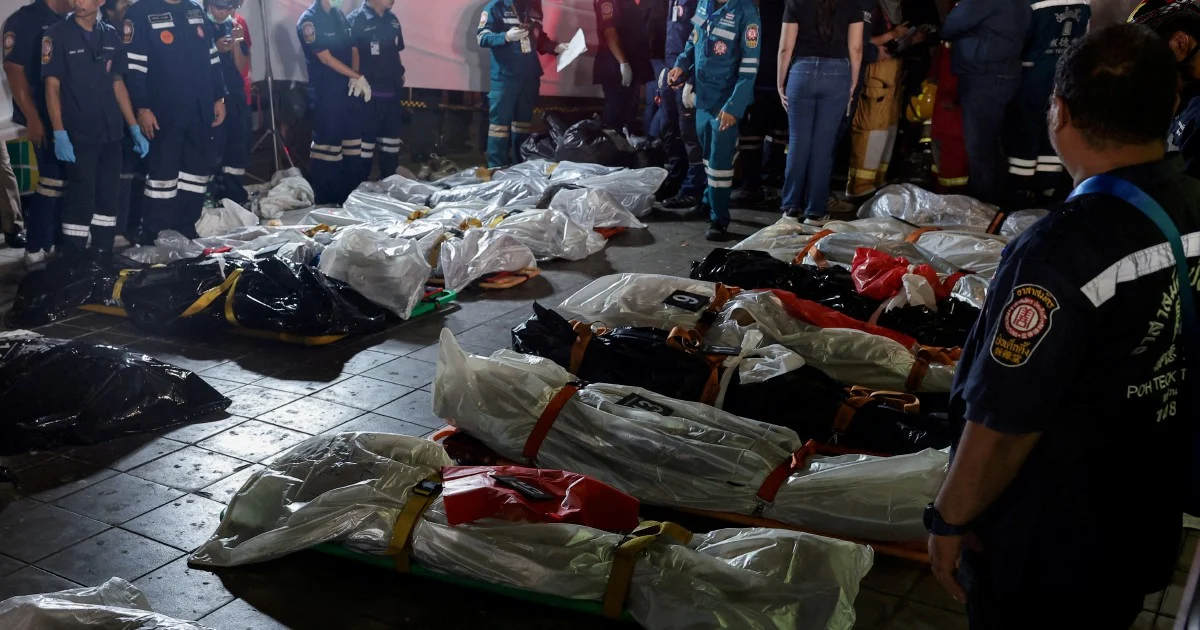
A devastating fire swept through a Bangkok entertainment venue late Sunday evening, claiming the lives of at least 27 people, according to confirmation from Thai Prime Minister Anutin Charnvirakul. The incident marks one of the most significant fire disasters in Thailand's capital in recent years and has immediately triggered calls for a comprehensive review of safety protocols across the kingdom's bustling nightlife sector.
The tragedy unfolded during what would typically be peak operating hours at the establishment, underlining the potential vulnerability of patrons and staff in enclosed entertainment spaces. Emergency responders faced considerable challenges in accessing and evacuating the venue, a pattern that emerges repeatedly in such disasters across Southeast Asia where building layouts, crowding, and limited exit routes compound the danger.
Thailand's entertainment industry, particularly in Bangkok, operates at the intersection of significant economic importance and regulatory complexity. The capital attracts millions of domestic and international visitors annually, many seeking nightlife experiences. This commercial reality sometimes creates tension with rigorous enforcement of safety standards, a dynamic that extends beyond Thailand's borders to similar entertainment hubs throughout Southeast Asia.
The fire investigation will likely examine multiple contributing factors common to such incidents: the adequacy and accessibility of emergency exits, proper certification and maintenance of fire suppression systems, occupancy limits compliance, and staff training in emergency protocols. Each of these elements represents both a technical and administrative challenge, requiring coordination between venue operators, local authorities, and safety inspectors.
For Malaysia and other regional economies with comparable entertainment sectors, the Bangkok incident serves as a stark reminder of the consequences when fire safety measures remain inadequate or poorly enforced. Malaysian authorities have periodically conducted sweeps of entertainment venues to ensure compliance with fire regulations, yet concerns persist about the effectiveness of these operations. The incident may prompt renewed scrutiny from Malaysian regulators and entertainment industry bodies.
The immediate aftermath of such disasters typically involves investigations by fire authorities, occupational safety divisions, and potentially criminal inquiries if negligence is established. Preliminary assessments in comparable incidents have frequently revealed issues such as inadequate fire exits, blocked emergency routes, defective alarm systems, or insufficient extinguisher availability. The Bangkok fire will almost certainly follow this investigative pattern, with findings likely generating policy recommendations across the region.
Thailand's government faces mounting pressure to implement stricter enforcement mechanisms. Prime Minister Anutin Charnvirakul's public acknowledgement of the death toll signals official recognition of the tragedy's severity and hints at potential policy responses. Historical precedent suggests such high-profile incidents often catalyse temporary intensification of safety inspections, though sustaining these efforts long-term remains challenging in many jurisdictions.
The broader implications for Southeast Asia's entertainment and hospitality sectors warrant consideration. Venues across the region, particularly older establishments or those operating in multi-story buildings, may harbour similar vulnerabilities. Insurance implications, liability concerns, and potential regulatory tightening could reshape operational practices throughout Thailand, Malaysia, Singapore, and neighbouring countries with comparable entertainment infrastructure.
Family members of victims face an agonising search for information and, subsequently, the grieving process complicated by international travel, language barriers, and administrative procedures. Consular services from various nations may be engaged in assisting their citizens affected by the disaster. International media attention will likely persist, affecting Thailand's tourism narrative and perhaps prompting diplomatic communications regarding safety standards.
The incident underscores a persistent challenge in rapid urbanisation and tourism-driven economies: balancing commercial viability with public safety. Entertainment venues generate substantial tax revenue and employment, yet these economic benefits cannot justify inadequate safety measures. Regulators across Southeast Asia must grapple with this fundamental tension, particularly as tourism recovery accelerates post-pandemic.
Immediate responses will include victim identification protocols, survivor support arrangements, and formal inquiries into the fire's origin and spread. Beyond the immediate crisis management, Thailand's authorities will face scrutiny regarding whether existing regulations were adequate and whether enforcement mechanisms functioned properly. This examination may reveal systemic weaknesses requiring legislative or administrative reform.
The tragedy emphasises that fire safety represents a non-negotiable infrastructure responsibility, not merely an optional compliance measure. For Malaysian policymakers and enforcement agencies, the Bangkok incident provides evidence supporting stricter approaches to entertainment venue regulation. Regional cooperation mechanisms, such as ASEAN frameworks for safety standardisation, might warrant strengthening to prevent similar catastrophes across the region's interconnected economy.

