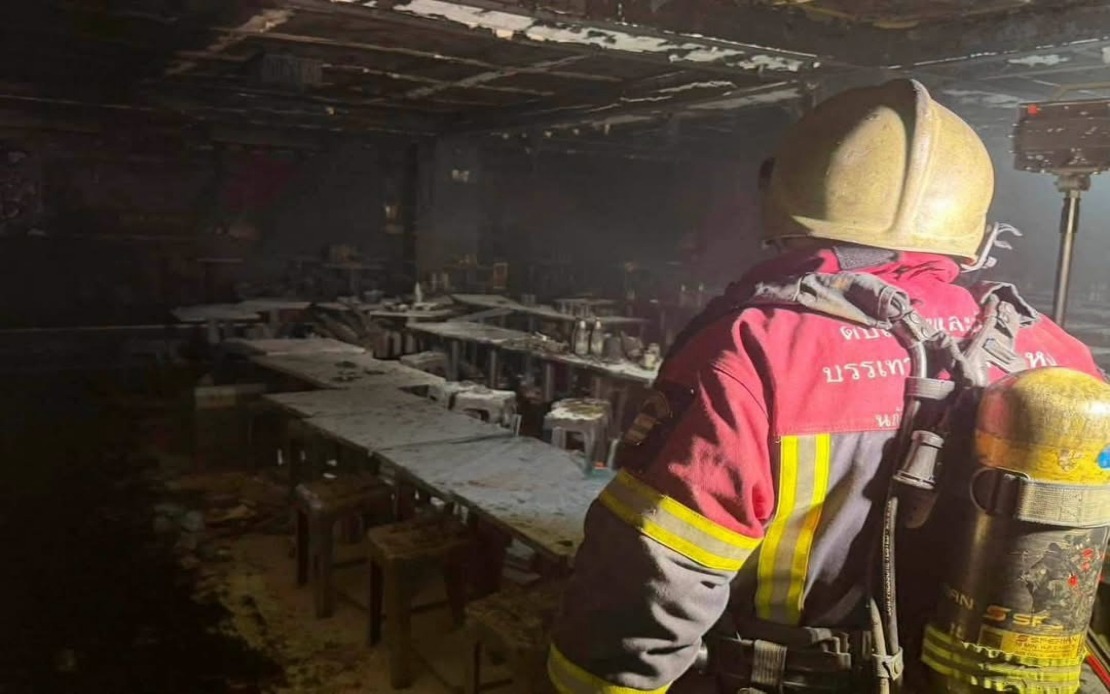
A catastrophic fire swept through a bar in Bangkok's Lat Phrao area in Chatuchak district in the early hours of Monday, claiming the lives of at least 27 people and leaving another 18 injured in what has become one of Thailand's deadliest recent incidents. The blaze, which erupted after midnight, devastated the establishment with remarkable speed, raising urgent questions about fire safety protocols in crowded entertainment venues across Southeast Asia.
Bangkok Governor Chadchart Sittipunt arrived at the scene around 2.40 am and immediately initiated a comprehensive investigation into the circumstances surrounding the tragedy. The Bangkok Metropolitan Administration has secured the site for forensic examination, with police and specialist officers working to establish how the fire originated and what sequence of events led to such a massive loss of life. The governor emphasised that determining preventive measures to avert future disasters remains a critical priority alongside the immediate investigation.
According to the BMA's Department of Disaster Prevention and Mitigation, the confirmed death toll encompasses nine men and 18 women. Of the 18 injured survivors, eight were reported to be in critical condition, seven sustained moderate injuries, and three suffered minor wounds. Medical personnel are currently engaged in the process of victim identification, with Chadchart urging families to rely on official updates disseminated through a dedicated coordination centre rather than unverified reports circulating through social media and informal channels.
Eyewitness accounts and preliminary observations paint a picture of rapidly escalating danger. The flames appear to have spread with exceptional velocity through the ceiling area of the establishment, suggesting the fire may have originated in structural elements above the main floor where patrons were gathered. Notably, plastic furniture throughout the venue remained largely intact, indicating that the extreme heat concentrated in upper areas whilst the primary danger came from dense smoke that asphyxiated those unable to escape. Authorities currently believe smoke inhalation was the predominant cause of death, though definitive conclusions await completion of forensic examinations.
A particularly troubling aspect of the disaster concerns the location where many bodies were discovered. Multiple victims were found clustered near an emergency exit on the left side of the building, with preliminary reports suggesting potential obstructions may have impeded their escape route. This discovery has amplified concerns about whether the venue properly maintained accessible evacuation pathways and whether emergency protocols were adequately communicated to staff and patrons. Governor Chadchart cautioned that comprehensive investigation must precede any definitive conclusions, yet the image of victims near a blocked exit carries profound implications for how Thai authorities will scrutinise safety compliance going forward.
The investigation will necessarily extend beyond determining the fire's origin to encompassing a thorough audit of the establishment's regulatory standing. The BMA intends to examine whether the venue possessed a valid operating licence and whether it maintained compliance with established safety standards. Specific areas of focus will include verifying the adequate number and condition of emergency exits, ensuring exit signage was clearly visible throughout the premises, and confirming that evacuation routes remained completely unobstructed. This broader examination reflects recognition that even if the fire originated from a specific equipment failure, systemic safety lapses may have transformed an incident into a mass casualty event.
Thailand's Prime Minister Anutin Charnvirakul visited the scene early Monday morning and received briefings from officials and eyewitnesses. During his visit, Anutin spoke with a musician who had been performing at the venue when the fire erupted. The musician's account provided crucial detail about the apparent sequence of events: he reported observing a fire at the electrical switchboard, after which the situation deteriorated with startling rapidity. He described explosions occurring and the subsequent desperate scramble of patrons attempting to flee through mounting smoke and flames. This testimony aligns with investigative hypotheses pointing toward an electrical origin, though authorities have explicitly stated that the cause remains under active investigation pending forensic analysis.
For Malaysia and other Southeast Asian nations, this tragedy carries uncomfortable resonance and serves as a stark reminder of the critical importance of rigorous fire safety enforcement in entertainment and hospitality establishments. The region has experienced similar disasters in previous years, yet recurring incidents suggest that regulatory compliance, inspection frequency, and staff training protocols may not have achieved adequate standardisation across jurisdictions. The Bangkok incident demonstrates how rapidly a manageable fire can become a mass casualty event when evacuation routes are compromised or when crowded venues lack proper safety infrastructure and procedures. Malaysian authorities may well use this incident as a catalyst for reviewing their own venue inspection schedules and safety compliance frameworks.
The implications extend beyond immediate safety audits to encompass broader questions about accountability and enforcement. If investigation ultimately confirms that the establishment operated with known safety deficiencies or that inspections failed to identify hazards, questions will inevitably arise about who bears responsibility and what systemic reforms might prevent recurrence. The speed with which Thai officials have initiated comprehensive investigations and announced intention to scrutinise venue licensing may reflect learning from previous incidents, yet also suggests that even established protocols can prove insufficient when compliance is inadequate. For businesses and venue operators throughout the region, this incident underscores that fire safety is not merely a regulatory checkbox but a fundamental obligation to protect patron welfare.

