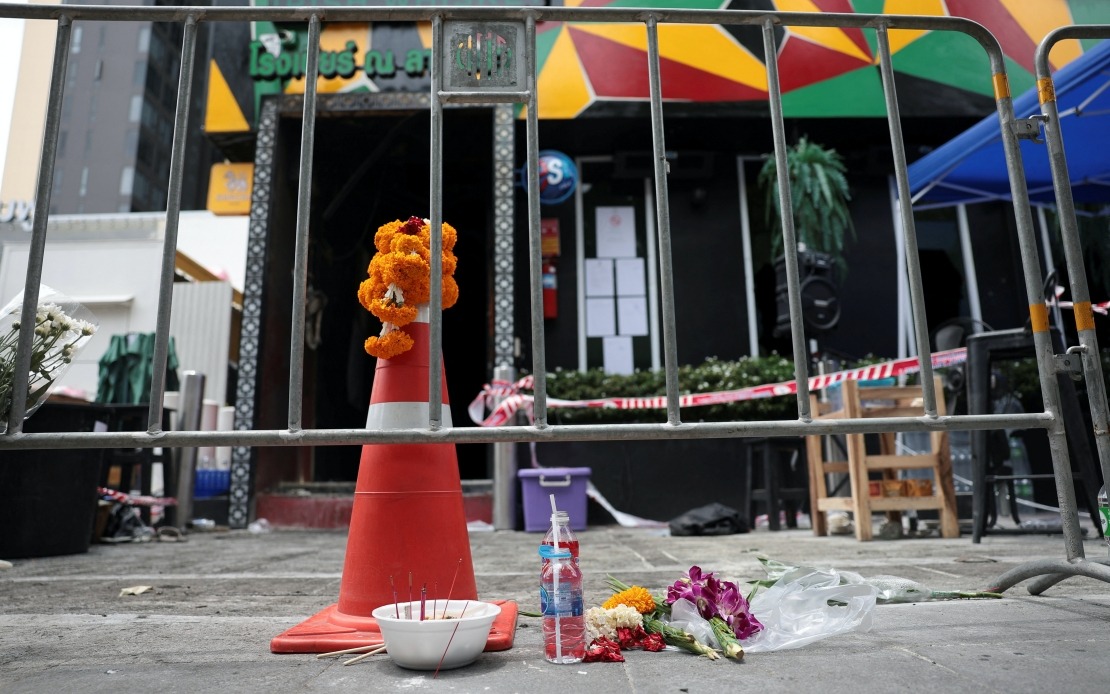
Preliminary findings from Thai authorities reveal a grim picture of the catastrophe that unfolded at a Bangkok entertainment venue early Monday morning: all 33 fatalities resulted from the inhalation of lethal gases rather than direct exposure to flames. Metropolitan Police Bureau Commissioner Police Lieutenant General Sayam Boonsom disclosed this critical detail during a press briefing on Thursday, underscoring how swiftly and silently toxic compounds claimed lives within minutes.
Forensic analysis has identified carbon monoxide and cyanide as the primary culprits in the deaths. These gases operate through a sinister mechanism—they prevent the body's tissues from extracting oxygen from the bloodstream, effectively suffocating victims at the cellular level even as they breathe. The presence of these compounds in post-mortem examinations indicates that survivors and victims alike were exposed to materials that release toxic fumes when burning, a common characteristic of modern furnishings, decorative elements, and structural materials found in entertainment venues.
The tragic fire erupted shortly after midnight at the establishment located in Bangkok's Lat Phrao district, consuming the venue with remarkable speed. The scale of the disaster became apparent as emergency responders worked through the night: beyond the 33 confirmed deaths, more than 70 individuals sustained injuries requiring medical attention. As of Thursday, the medical situation remained critical, with 14 patients still requiring intensive care while 44 others had been released from hospital care.
Police investigations have progressed methodically, with forensic teams completing their examination of the premises. However, determining precise causation remains complex. Authorities are pursuing multiple investigative threads, with particular emphasis on whether electrical system failures ignited the blaze. Additionally, investigators are examining potential safety code violations that may have contributed to both the fire's spread and the difficulty evacuees faced in escaping the premises.
The focus on building integrity reflects emerging concerns about how the venue had been modified over time. Unauthorized structural alterations represent a significant line of inquiry, suggesting that the original safety design may have been compromised. Equally alarming is evidence that emergency exits—the final lifeline for those trapped inside—appear to have been obstructed or inadequately maintained, a violation that could have catastrophically reduced evacuation capacity during those critical minutes when escape was possible.
While no formal charges have yet been filed, police have signalled their intention to pursue multiple criminal allegations against those responsible for operating and maintaining the venue. These potential charges encompass causing death and injury through negligence, conducting unauthorized modifications to a building's structure, and recklessly causing a fire. The scope of these charges underscores the multifaceted failures that investigators believe converged to create the deadly conditions.
Beyond structural and operational issues, authorities are examining whether the venue operated within its legal licensing parameters. Entertainment venues in Thailand operate under specific regulatory frameworks, and initial indications suggest the establishment may have exceeded the scope of its approved operations. This dimension of the investigation could implicate regulatory oversight bodies and raise questions about enforcement mechanisms that are meant to protect public safety.
The investigative process has involved extensive witness interviews, with police having questioned more than 106 individuals connected to the incident. These statements provide crucial context about the sequence of events, the speed of the fire's spread, and the conditions people encountered as they attempted to flee. Witness accounts often reveal details that physical evidence alone cannot convey, particularly regarding the visibility of smoke, the availability of emergency lighting, and whether staff attempted to guide evacuations.
For Malaysian readers and policymakers, this tragedy carries sobering implications about venue safety standards across Southeast Asia. The Bangkok incident echoes previous disasters in the region, from nightclub fires in Indonesia to entertainment venue tragedies in the Philippines, revealing persistent patterns of regulatory gaps and enforcement weaknesses. The particular threat posed by toxic gas inhalation—which claims lives silently and within minutes—demands renewed attention to fire safety protocols, material specifications, and emergency response procedures.
The investigation's emphasis on unauthorized structural modifications and emergency exit obstruction points to a broader challenge facing Southeast Asian nations: balancing business flexibility with unbending safety requirements. Venue operators may modify spaces for aesthetic or operational reasons without fully appreciating how these changes affect evacuation routes or ventilation patterns during a fire. Similarly, the detection of cyanide in victims' bodies raises urgent questions about which materials and furnishings are permitted in enclosed entertainment spaces and whether import regulations adequately screen for dangerous compounds.
Thailand's response to this disaster will likely influence safety standards throughout the region. The comprehensive investigation underway, the breadth of potential charges being considered, and the serious manner in which authorities are pursuing accountability suggest a determination to prevent similar tragedies. However, investigation alone is insufficient; implementation of findings through strengthened regulations, enforcement mechanisms, and venue inspections will determine whether this tragedy catalyzes meaningful change or fades into history as another cautionary tale.

