%22%2F%3E%3C%2Fpattern%3E%3C%2Fdefs%3E%3Crect%20width%3D%22100%25%22%20height%3D%22100%25%22%20fill%3D%22url(%23ph9kc9g)%22%2F%3E%3Crect%20width%3D%22100%25%22%20height%3D%22100%25%22%20fill%3D%22url(%23ph9kc9p)%22%2F%3E%3Ctext%20x%3D%2250%25%22%20y%3D%2250%25%22%20text-anchor%3D%22middle%22%20dominant-baseline%3D%22central%22%20fill%3D%22rgba(255%2C255%2C255%2C0.95)%22%20font-family%3D%22Georgia%2C%20'Times%20New%20Roman'%2C%20serif%22%20font-weight%3D%22700%22%20font-size%3D%22136%22%20letter-spacing%3D%22-0.02em%22%3EBangladesh%3C%2Ftext%3E%3C%2Fsvg%3E)
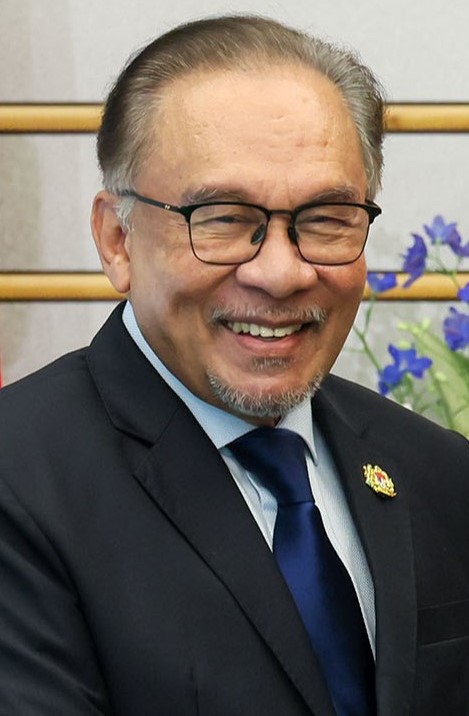
Bangladesh is charting a fresh diplomatic course by pursuing closer integration with Southeast Asia, marking a significant strategic realignment for the South Asian nation. Prime Minister Tarique Rahman has publicly stated Dhaka's aspirations to achieve ASEAN Sectoral Dialogue Partner status during talks with Malaysian Prime Minister Datuk Seri Anwar Ibrahim in Putrajaya on June 22, underscoring Bangladesh's desire to participate more substantially in regional architecture and decision-making forums. The declaration, made at a joint press conference, reflects a broader Bangladesh initiative to strengthen its footprint in a geopolitical landscape increasingly dominated by East and Southeast Asian economic and strategic cooperation.
Beyond institutional affiliation, Bangladesh has also expressed concrete interest in joining the Regional Comprehensive Economic Partnership, the sprawling trade agreement that encompasses ten ASEAN nations plus China, Japan, South Korea, Australia, and New Zealand. This ambition signals Dhaka's recognition that deeper integration into regional value chains and preferential trade frameworks could unlock significant economic opportunities for a nation seeking to diversify its export markets and attract investment beyond traditional South Asian partners. The RCEP framework, which has already reshaped trade dynamics across Asia-Pacific, represents a potential gateway for Bangladesh to access preferential terms with major Asian economies while positioning itself as an attractive manufacturing hub for multinational corporations seeking alternatives to established supply chains.
The substantive engagement between Bangladesh and Malaysia crystallised in the signing and exchange of three bilateral instruments during the Putrajaya meeting. A Memorandum of Understanding on Cultural Cooperation was executed alongside two Exchanges of Notes addressing Counter-Terrorism Research and Investment Promotion and Facilitation. These accords, though relatively modest in scope individually, collectively demonstrate Malaysian support for Bangladesh's regional integration ambitions whilst establishing concrete frameworks for cooperation on security and economic matters. Rahman specifically acknowledged Malaysia's backing, framing it as instrumental to Bangladesh's broader objective of deepening participation in regional institutions and economic frameworks.
The bilateral economic relationship between Malaysia and Bangladesh provides important context for understanding the strategic importance of this diplomatic engagement. As of 2025, total bilateral trade reached RM12.18 billion, approximately US$2.84 billion, positioning Bangladesh as Malaysia's 28th largest trading partner globally. This substantial volume reflects deeply integrated commercial ties that have evolved significantly over recent decades. Malaysia's exports to Bangladesh, valued at RM10.08 billion or roughly US$2.35 billion, are dominated by petroleum products, reflecting Bangladesh's energy-intensive manufacturing sector and growing power generation requirements. This export orientation underscores Malaysia's stake in Bangladesh's continued economic development and stability.
Imports flowing in the reverse direction tell an equally revealing story about Bangladesh's competitive advantages within regional trade patterns. Bangladeshi exports to Malaysia, totalling RM2.10 billion or approximately US$500 million, comprise predominantly textiles, apparel, and footwear—sectors where Bangladesh has developed formidable competitive strengths grounded in abundant labour, established manufacturing infrastructure, and existing supply chain relationships with global brands. Within South Asia specifically, Bangladesh ranks as Malaysia's second-largest trading partner after India across all three dimensions: export destination, import source, and overall trade volume. This positioning underscores the maturity and diversity of Malaysia-Bangladesh commercial relations whilst highlighting Bangladesh's significance within regional trade networks.
Bangladesh's pivot toward ASEAN engagement must be understood against the backdrop of its historical South Asian orientation and broader geopolitical considerations. For decades, Bangladeshi foreign policy operated primarily within a South Asian context, shaped by relationships with India, Pakistan, and other regional neighbours. However, rapid economic development, demographic dividends, and the emergence of manufacturing capacity have prompted Bangladeshi policymakers to recognise the strategic and economic imperative of eastward engagement. ASEAN membership or formalised partnership status would grant Dhaka privileged access to regional diplomatic forums, economic integration initiatives, and strategic dialogues increasingly shaping Asia-Pacific trajectories. This eastward tilt complements rather than replaces South Asian engagement, reflecting a mature approach to multi-directional foreign policy.
The RCEP dimension of Bangladesh's ambitions carries particular significance for Malaysian observers and regional analysts. The agreement, which entered force in January 2022 following ratification by sufficient signatories, has already begun reshaping regional trade flows and investment patterns. For Bangladesh, membership would provide preferential access to markets across Southeast Asia, East Asia, and Oceania whilst potentially granting Bangladeshi manufacturers competitive advantages in regional procurement. Simultaneously, Bangladesh would gain access to investment capital and technology transfer opportunities within the RCEP framework, potentially accelerating industrial upgrading in sectors where the country currently possesses comparative advantages. Malaysia, as both RCEP member and ASEAN chair-related nation, occupies a pivotal position in facilitating Bangladesh's integration pathway.
Rahman's personal invitation to Prime Minister Anwar and his spouse to visit Bangladesh carries diplomatic significance beyond ceremonial courtesy. Such reciprocal high-level visits serve multiple functions within contemporary diplomacy: they affirm bilateral relationship quality, provide platforms for substantive policy discussions beyond formal bilateral meetings, and generate public and media attention that underscores each nation's commitment to the partnership. For Bangladesh, hosting Malaysia's premier would constitute a high-profile endorsement of Dhaka's credentials as a serious diplomatic interlocutor and stable partner worthy of high-level engagement. For Malaysia, such a visit would provide direct observation of Bangladesh's development trajectory and opportunities for deepening people-to-people connections that undergird durable state relationships.
The timing of this diplomatic engagement reflects broader regional dynamics and Bangladesh's domestic political transition. The country has recently navigated significant political change, and renewed international engagement serves multiple purposes: legitimising new leadership through high-profile bilateral interactions, demonstrating commitment to rules-based international order, and signalling to international investors and trading partners that Bangladesh remains stable and committed to regional cooperation. ASEAN nations, particularly Malaysia, wield considerable influence in shaping perceptions of Bangladesh's reliability as a partner, making their endorsement and facilitation of Bangladeshi integration initiatives particularly valuable from Dhaka's perspective.
For Malaysia and other ASEAN members, accommodating Bangladesh's integration ambitions carries strategic logic. Bangladesh's population exceeding 170 million people represents an enormous consumer market with rising purchasing power as development progresses. Expanding RCEP to include Bangladesh would enhance the agreement's relevance and economic heft whilst incorporating a major South Asian economy into an Asia-Pacific trade architecture. Furthermore, strengthening Bangladesh's integration into regional frameworks potentially contributes to broader regional stability by anchoring South Asian economies more firmly within Asia-Pacific institutions and networks. Malaysia's support for Bangladesh's aspirations thus reflects enlightened self-interest: expanding regional prosperity, deepening institutional networks, and fostering stability across an increasingly interconnected Asia-Pacific region.