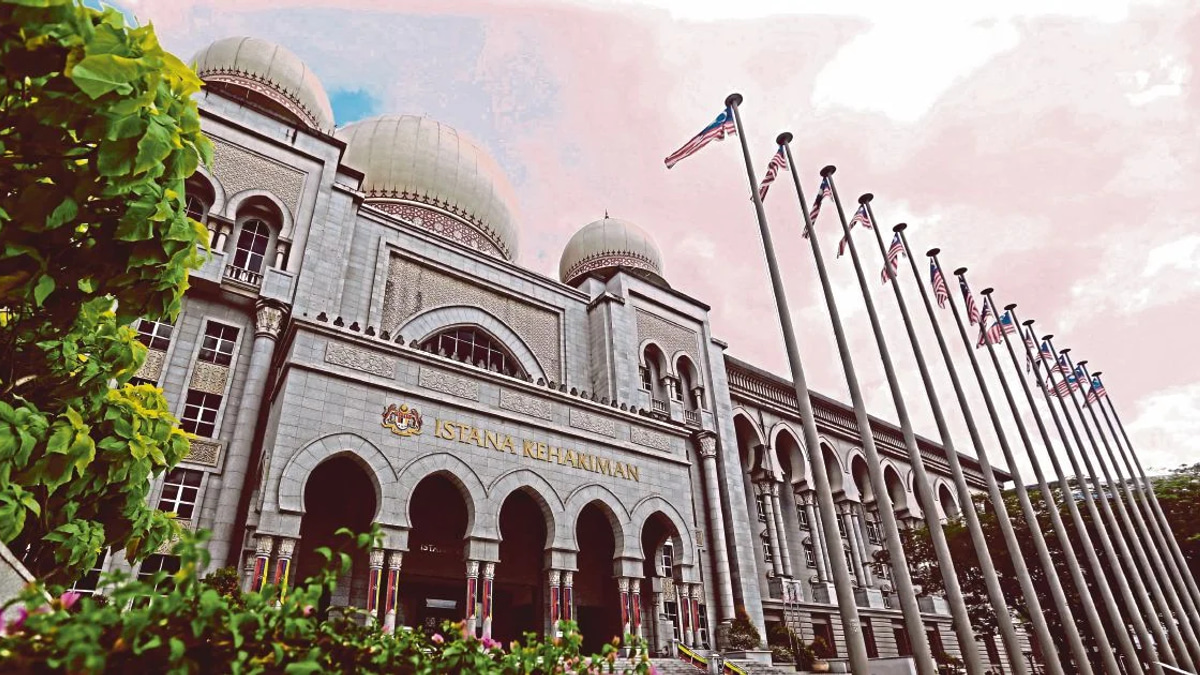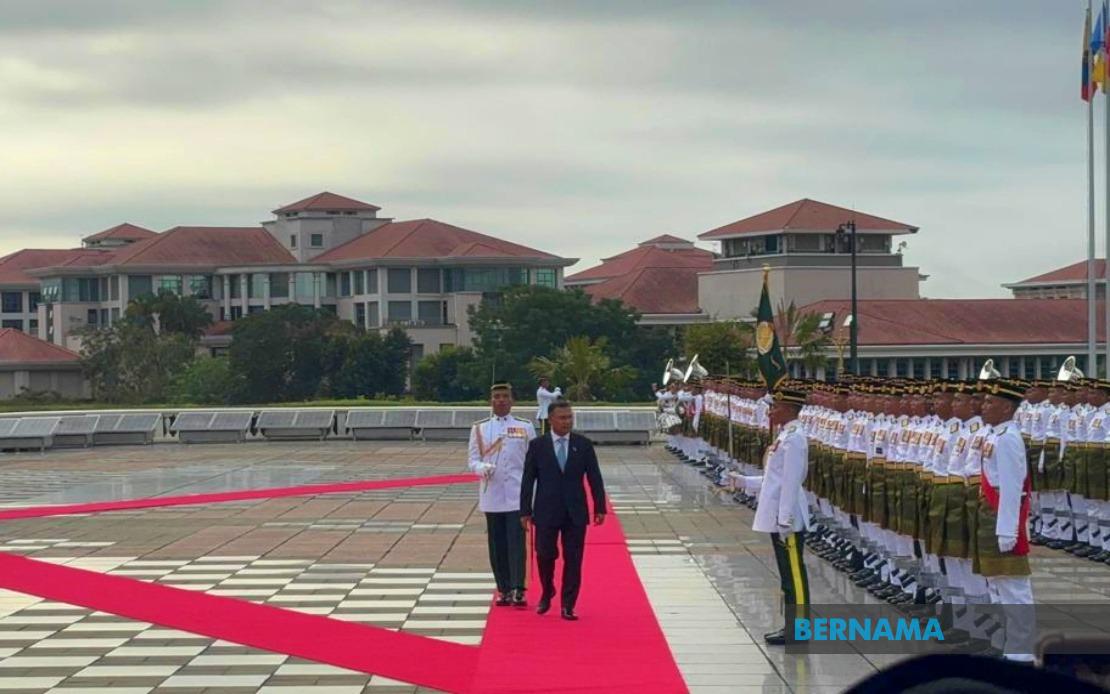
Bangladesh Prime Minister Tarique Rahman stepped onto Malaysian soil this week for a two-day official visit, marking another milestone in the deepening diplomatic relations between Dhaka and Kuala Lumpur. The distinguished guest was accorded full ceremonial honours upon arrival at the Perdana Putra Complex in Putrajaya, where Prime Minister Datuk Seri Anwar Ibrahim personally received him at 9 am, setting the tone for what promises to be a substantive engagement between the two South Asian and Southeast Asian neighbours.
The formal welcome unfolded with traditional protocol, including the simultaneous playing of both nations' national anthems and an inspection of the guard of honour. Major Nur Ahmad Zaim Zahari led a contingent comprising three officers and 103 personnel from the First Battalion of the Royal Ranger Regiment in their presentation. The ceremonial display reflected the significance Malaysia places on strengthening its relationship with Bangladesh, a nation that has grown increasingly important to the region's economic and security architecture.
The high-level attendance at the reception underscored governmental commitment to the bilateral agenda. Deputy Prime Minister Datuk Seri Dr Ahmad Zahid Hamidi, Foreign Minister Datuk Seri Mohamad Hasan, Home Minister Datuk Seri Saifuddin Nasution Ismail, and Communications Minister Datuk Fahmi Fadzil were among the Cabinet representatives present, alongside numerous foreign diplomats and senior government officials. This substantial gathering signalled that the discussions would span beyond ceremonial niceties into substantive policy matters affecting both nations and the wider region.
Following the formal reception, Prime Minister Tarique Rahman signed the guest book before engaging in a one-on-one conversation with Anwar. This private discussion provided the leaders an opportunity to establish rapport and canvass key issues before the broader bilateral meeting commenced. The subsequent multilateral engagement brought together senior ministers and officials from both governments, enabling detailed negotiations across the full spectrum of mutual interests and concerns.
The agenda for these talks encompasses an ambitious range of sectors reflecting the complexity of modern economic and security cooperation. Malaysia and Bangladesh intend to explore enhanced collaboration in trade and investment, recognising the vast potential for expanded commercial ties. Human resource management emerged as another priority, reflecting both nations' interest in facilitating labour mobility and skills transfer. The semiconductor industry, increasingly vital to regional manufacturing competitiveness, featured prominently in discussions, alongside energy cooperation—an area where Bangladesh's growing demand intersects with Malaysia's hydrocarbon expertise and renewable energy ambitions.
Agriculture and education rounded out the sectoral focus, revealing a comprehensive approach to partnership that addresses immediate economic needs while building long-term human capital advantages. Beyond bilateral matters, both leaders were scheduled to exchange perspectives on regional and international developments of shared concern. These broader geopolitical discussions assume heightened importance as the Indo-Pacific region navigates complex strategic shifts and as ASEAN continues seeking stability amid competing great power interests.
The visit will produce tangible outcomes through several formal agreements. A Memorandum of Understanding on Cultural Cooperation will be exchanged, facilitating people-to-people engagement and preserving mutual cultural heritage. Two Exchanges of Notes addressing counter-terrorism research collaboration and investment promotion and facilitation demonstrate the security and economic dimensions of the partnership. Counter-terrorism cooperation reflects shared vulnerabilities in the region, while investment facilitation mechanisms aim to reduce friction and enhance business confidence between the two countries.
The bilateral economic relationship has matured significantly, with 2025 trade figures revealing the scope of existing engagement. Total commerce reached RM12.18 billion, with Malaysian exports dominating at RM10.08 billion. Petroleum products form the backbone of Malaysia's shipments to Bangladesh, reflecting both Bangladesh's energy requirements and Malaysia's established hydrocarbon sector capabilities. Bangladeshi exports to Malaysia, valued at RM2.10 billion, centre on textiles, apparel, and footwear—sectors in which Bangladesh has developed considerable competitive advantages through its large, skilled labour force.
Bangladesh's standing in Malaysia's trade architecture underscores its growing economic importance. As the 28th largest trading partner globally and the second most significant partner within South Asia after India, Bangladesh commands Malaysia's strategic attention. For Malaysian businesses seeking diversified supply chains and market access in South Asia, Bangladesh offers proximity, labour advantages, and improving infrastructure. Conversely, Bangladeshi enterprises increasingly view Malaysia as a gateway to Southeast Asian markets and a source of capital, technology, and expertise.
The positioning of Bangladesh within Malaysia's South Asian strategy reflects broader regional dynamics. India's dominance as Malaysia's primary South Asian partner is substantially ahead, but Bangladesh's trajectory suggests growing importance. With a population exceeding 170 million and an increasingly assertive role in regional forums, Bangladesh represents both a market and a diplomatic anchor in a pivotal subregion. Prime Minister Tarique Rahman's visit, occurring amid Bangladesh's own domestic political transitions, provides an opportunity to calibrate the bilateral relationship to benefit both nations' evolving priorities.
Prime Minister Tarique Rahman travelled to Malaysia accompanied by his spouse, Dr Zubaida Rahman, Foreign Minister Dr Khalilur Rahman, and senior government officials. This substantial delegation composition indicated Dhaka's determination to leverage the visit for substantive achievements across multiple government portfolios. The presence of Bangladesh's foreign minister in the entourage ensured direct engagement with Malaysia's diplomatic apparatus and allowed immediate follow-up on specific cooperation initiatives.
The timing of this official visit arrives as both nations navigate post-pandemic economic recovery and recalibration of regional partnerships. Malaysia, as ASEAN's voice in South Asia through its active diplomatic engagement and trade ties, views Bangladesh as integral to the broader Indo-Pacific balance. Similarly, Bangladesh seeks to deepen Southeast Asian partnerships to diversify its external relations and economic opportunities beyond traditional partners. This visit represents a natural evolution in ties that span shared maritime concerns, complementary economic structures, and growing cultural exchanges among increasingly mobile populations across both nations.
%22%2F%3E%3C%2Fpattern%3E%3C%2Fdefs%3E%3Crect%20width%3D%22100%25%22%20height%3D%22100%25%22%20fill%3D%22url(%23ph4bjhag)%22%2F%3E%3Crect%20width%3D%22100%25%22%20height%3D%22100%25%22%20fill%3D%22url(%23ph4bjhap)%22%2F%3E%3Ctext%20x%3D%2250%25%22%20y%3D%2250%25%22%20text-anchor%3D%22middle%22%20dominant-baseline%3D%22central%22%20fill%3D%22rgba(255%2C255%2C255%2C0.95)%22%20font-family%3D%22Georgia%2C%20'Times%20New%20Roman'%2C%20serif%22%20font-weight%3D%22700%22%20font-size%3D%22226%22%20letter-spacing%3D%22-0.02em%22%3EPolice%3C%2Ftext%3E%3C%2Fsvg%3E)