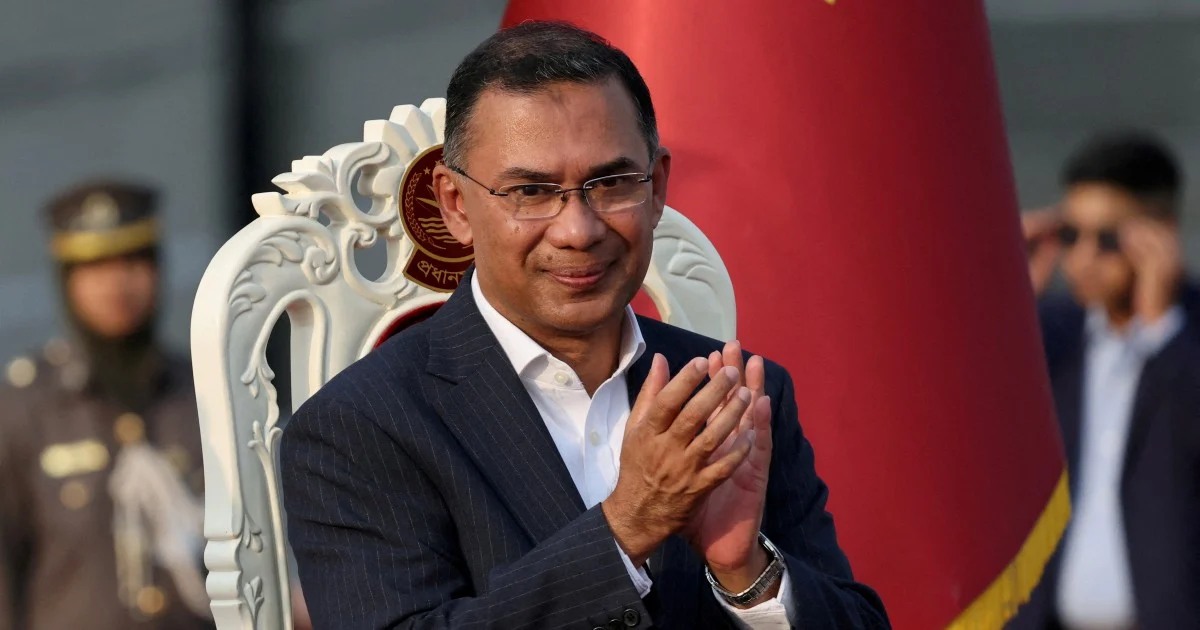
Bangladesh Prime Minister Tarique Rahman touched down at Sepang International Airport today, beginning a significant diplomatic visit that reflects the strengthening geopolitical relationship between Dhaka and Kuala Lumpur. The trip comes at a pivotal moment for both nations as they navigate complex regional dynamics and seek to expand their economic and political partnerships across Southeast Asia.
The visit signals Bangladesh's continued commitment to deepening engagement with Malaysia, a regional economic powerhouse and fellow Muslim-majority nation with considerable influence in ASEAN forums. For Malaysia, the arrival of such a high-level delegation represents an opportunity to consolidate existing ties and explore new avenues for collaboration that could benefit both economies and populations.
Official itineraries for bilateral visits of this calibre typically encompass wide-ranging discussions covering trade and investment, security cooperation, and cultural exchanges. Bangladesh and Malaysia share numerous commonalities that form the foundation for productive dialogue, including maritime concerns in the Bay of Bengal and Andaman Sea, labour migration patterns that affect both nations significantly, and overlapping strategic interests in maintaining stability across the Indian Ocean region.
The Bangladesh leader's presence in Malaysia also underscores the importance of South Asian-Southeast Asian connectivity, a theme that has gained momentum throughout the region as nations seek to diversify their partnerships beyond traditional alignments. The concept of enhanced regional cooperation has become increasingly relevant given evolving global trade patterns, supply chain reorganisation, and the strategic repositioning that many Asian nations are undertaking.
For Malaysian stakeholders, this visit presents opportunities to discuss Bangladesh's role as a major textile and manufacturing hub, which could complement Malaysia's own industrial and service-sector strengths. Potential collaboration in manufacturing, technology transfer, and digital economy initiatives may feature prominently in discussions, particularly given Malaysia's positioning as a regional technology hub and Bangladesh's emerging interest in digital transformation.
The security dimension of bilateral relations warrants attention as well. Both nations face maritime security challenges, transnational crime concerns, and the need for improved intelligence sharing mechanisms. The waters around the region remain strategically significant, with multiple national interests intersecting in complex ways that require sustained diplomatic and security dialogue.
Bangladesh's significant diaspora presence in Malaysia—comprising both skilled professionals and labourers—forms another crucial element of the bilateral relationship that typically surfaces during high-level visits. Discussion of worker welfare, skills development programmes, and remittance facilitation often emerge as practical policy areas where both governments can demonstrate tangible benefits to their citizens.
The timing of this official visit may also reflect efforts to strengthen ASEAN cohesion and consensus-building on regional issues. Bangladesh, though not an ASEAN member, maintains active engagement with the bloc through various mechanisms and partnerships. Malaysia's role as a respected ASEAN voice makes it a valuable intermediary for discussing Bangladesh's interests and perspectives on regional governance matters.
Cultural and educational dimensions of the partnership represent long-term investments in bilateral goodwill. Student exchange programmes, academic partnerships, and cultural tourism initiatives have historically featured in Bangladesh-Malaysia relations, fostering people-to-people connections that transcend government-level engagement.
The visit also comes amid broader regional conversations about infrastructure development and connectivity projects. Discussions regarding participation in regional initiatives, investment in transport corridors, and collaboration on cross-border development schemes may feature in the official agenda, reflecting both nations' interests in enhancing regional integration.
From Malaysia's perspective, strengthening ties with Bangladesh aligns with the country's broader strategy of maintaining balanced relationships across South Asia and Southeast Asia. This diplomatic equilibrium approach has been central to Malaysian foreign policy, allowing the nation to serve as a bridge between different regional configurations and maintain economic opportunities across multiple markets.
The substantive outcomes of this visit—whether through joint statements, cooperation agreements, or expanded bilateral mechanisms—will likely be scrutinised closely by observers tracking regional diplomatic developments. Such official visits frequently result in formalised agreements on specific sectors, upgraded institutional frameworks for cooperation, or renewed commitments to existing partnerships.
As Bangladesh continues its development trajectory and seeks to diversify its international partnerships, Malaysia represents an important anchor point for accessing Southeast Asian markets, technology, and diplomatic support. Similarly, Malaysia's engagement with Bangladesh reinforces its credentials as a nation comfortable navigating relationships across multiple regions and committed to fostering stability through enhanced economic and political cooperation across Asia's diverse landscape.

%22%2F%3E%3C%2Fpattern%3E%3C%2Fdefs%3E%3Crect%20width%3D%22100%25%22%20height%3D%22100%25%22%20fill%3D%22url(%23ph1jwbig)%22%2F%3E%3Crect%20width%3D%22100%25%22%20height%3D%22100%25%22%20fill%3D%22url(%23ph1jwbip)%22%2F%3E%3Ctext%20x%3D%2250%25%22%20y%3D%2250%25%22%20text-anchor%3D%22middle%22%20dominant-baseline%3D%22central%22%20fill%3D%22rgba(255%2C255%2C255%2C0.95)%22%20font-family%3D%22Georgia%2C%20'Times%20New%20Roman'%2C%20serif%22%20font-weight%3D%22700%22%20font-size%3D%22320%22%20letter-spacing%3D%22-0.02em%22%3EMUDA%3C%2Ftext%3E%3C%2Fsvg%3E)