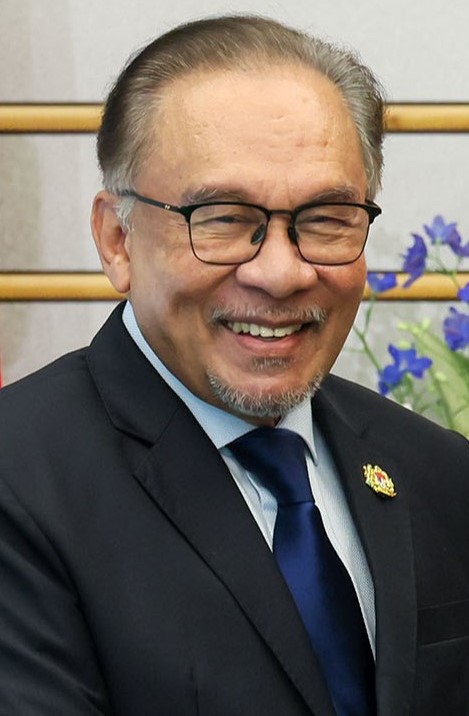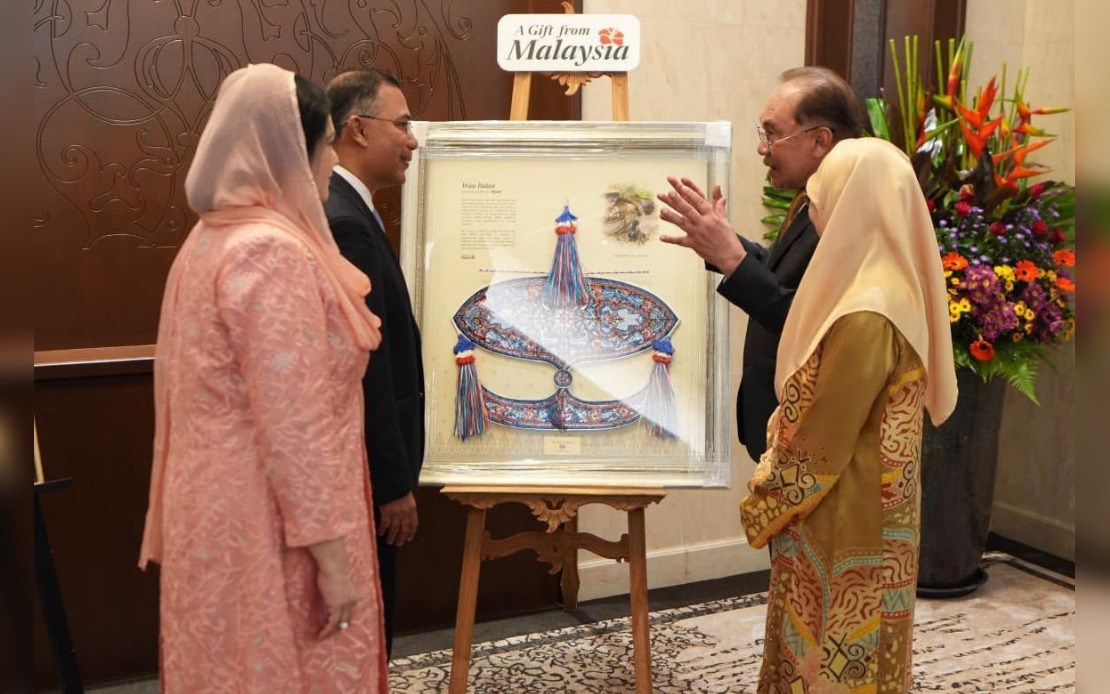
Bangladesh Prime Minister Tarique Rahman wrapped up his first official state visit to Malaysia on Monday by pledging sustained engagement with Prime Minister Datuk Seri Anwar Ibrahim to expand the bilateral relationship across multiple domains. The visit, which brought the Bangladeshi leader to Kuala Lumpur, represents a significant diplomatic moment for strengthening ties between the two regional powers at a time when both nations are navigating complex geopolitical and economic challenges in Southeast Asia and South Asia.
Rahman's commitment to working closely with Anwar underscores the importance both nations place on their partnership, which extends far beyond formal governmental channels. The Bangladeshi premier emphasized that Malaysia holds tremendous value for Dhaka as a partner across diplomatic, economic, and cultural dimensions. This multidimensional engagement reflects the growing recognition in both capitals that regional stability and prosperity depend on sustained cooperation among major Southeast Asian states and their neighbours.
A particularly striking element of Rahman's remarks was his emphasis on people-to-people connectivity between the two nations. This dimension of bilateral relations often underpins the most durable forms of partnership, operating independently of political cycles and government changes. The extensive linkages between Bangladeshi and Malaysian communities—spanning business networks, educational exchanges, labour migration, and cultural organisations—create natural constituencies for closer ties that transcend official diplomacy alone. These grassroots connections have historically proven resilient even during periods of diplomatic tension.
In his statement conveyed through Bangladesh's Foreign Affairs Ministry, Rahman expressed profound appreciation for the reception extended by Anwar and his wife, Datuk Seri Dr Wan Azizah Wan Ismail. This public recognition of hospitality serves multiple diplomatic functions: it signals respect for Malaysia's leadership, acknowledges the personal dimension of high-level statecraft, and creates a positive foundation for future negotiations and collaborative initiatives. Such courtesies, while appearing ceremonial, often set the tone for substantive bilateral work.
Rahman also paid specific tribute to His Majesty Sultan Ibrahim, King of Malaysia, for granting him an audience. The inclusion of this gesture in his closing remarks underscores the significance Bangladesh attaches to Malaysia's institutional framework and the symbolic importance of royal engagement in legitimizing bilateral relations. For Malaysian audiences, this recognition of the constitutional monarchy's role reflects diplomatic awareness of Malaysia's political system.
The Bangladeshi premier anchored his visit's significance by invoking historical connections between the two nations, particularly referencing his father, Shaheed President Ziaur Rahman, and his mother, Begum Khaleda Zia, who held the presidency and prime ministership respectively during Bangladesh's formative years. This invocation serves multiple purposes: it grounds current bilateral relations in a decades-long continuum, suggests dynastic continuity in Bangladesh's approach to regional partnerships, and implicitly positions the current government as heir to established foreign policy traditions. For Malaysian observers, understanding these historical references provides context for appreciating Bangladesh's commitment to the relationship.
The discussions between Rahman and Anwar reportedly reaffirmed what both leaders characterize as enduring bonds transcending narrow strategic calculation. By framing their partnership in terms of shared commitment to cooperation, prosperity, and regional advancement, both governments signal that their engagement addresses broader development agendas rather than narrow bilateral disputes or competition. This framing is particularly relevant for Southeast Asian states that benefit from Bangladesh's stability and forward momentum in regional affairs.
From Malaysia's perspective, strengthening ties with Bangladesh offers multiple advantages. Bangladesh, with its 170 million population and strategic location at South Asia's eastern frontier, represents an important partner for Malaysian commercial interests, labour engagement, and regional diplomatic influence. Enhanced cooperation could facilitate Malaysian investment in Bangladesh's growing economy, create opportunities for Malaysian expertise in areas like infrastructure development and technology transfer, and amplify Malaysia's voice in broader regional forums where Bangladesh participates.
For Bangladesh, deepening the Malaysia relationship serves equally important objectives. Malaysia's ASEAN membership, advanced economic development, and technological capabilities make it an attractive partner for Bangladeshi aspirations toward greater regional integration and economic modernization. Malaysia's experience managing a diverse, multi-religious society also offers relevant lessons for Bangladesh as it navigates its own demographic and political complexities. Additionally, stronger Malaysia ties help Bangladesh diversify its regional partnerships beyond traditional South Asian relationships.
The timing of Rahman's inaugural state visit carries additional significance. As Bangladesh navigates domestic political transitions and seeks to consolidate its international standing, outreach to established regional partners like Malaysia demonstrates diplomatic confidence and commitment to sustained engagement. The visit also signals to international observers that Bangladesh remains focused on constructive regional cooperation despite any internal political developments.
Looking forward, both governments appear positioned to expand cooperation across multiple sectors including trade and investment, education and cultural exchange, security and defence collaboration, and participation in regional forums addressing maritime security, climate change, and economic integration. The personal rapport evident from this visit could facilitate smoother negotiations on complex regional issues where Malaysia and Bangladesh share interests or perspectives.
The concluding remarks from Bangladesh's leadership suggest that both nations recognize their partnership as foundational to broader Southeast Asian and South Asian stability. Rather than viewing bilateral relations as transactional arrangements subject to periodic recalibration, both leaders characterize their engagement as rooted in enduring shared values and mutual benefit. This perspective, if translated into concrete cooperation mechanisms and sustained political commitment, could yield significant dividends for both societies across economic, security, and social dimensions.