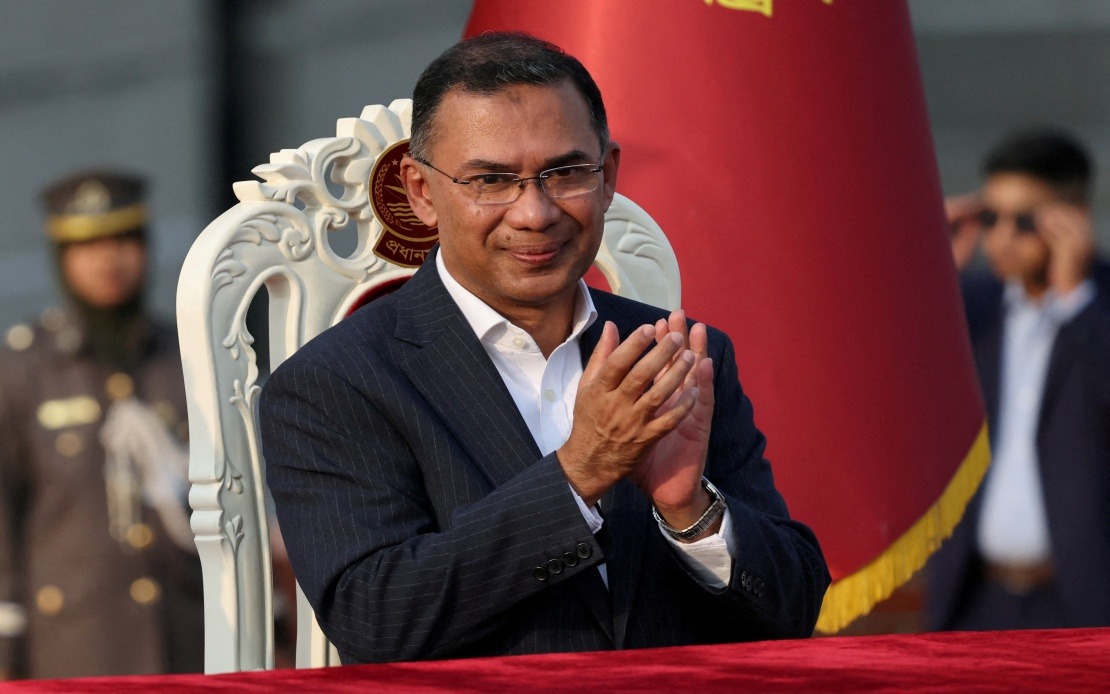
Bangladesh Prime Minister Tarique Rahman is set to arrive in Malaysia on June 22 for an official state visit, a significant diplomatic engagement that underscores the growing strategic partnership between the two Southeast and South Asian neighbours. The visit, extended at the invitation of Malaysian Prime Minister Datuk Seri Anwar Ibrahim, represents Rahman's inaugural bilateral foreign mission since he took office in February 2026, signalling that Kuala Lumpur holds considerable importance in his government's early diplomatic priorities.
The visit will commence with formal protocols befitting a head of government, including an official welcoming ceremony at the Perdana Putra Complex followed by substantive bilateral talks between the two premiers. Such ceremonial arrangements underscore Malaysia's commitment to honouring the occasion and reflect the significance both nations attach to their relationship. The structured agenda suggests a comprehensive discussion spanning multiple dimensions of bilateral engagement, rather than a purely ceremonial courtesy call.
During their meeting, Anwar and Rahman will review the trajectory of Malaysia–Bangladesh relations and identify fresh avenues for deepening cooperation. The agenda encompasses several strategic sectors that reflect contemporary economic priorities for both nations. Trade and investment remain foundational, complemented by human resource management arrangements that facilitate the movement of skilled workers between countries. The inclusion of semiconductors and energy in the discussion points reveals recognition of the region's technology and resource challenges, while agriculture and education underline long-term development cooperation.
The diplomatic engagement will be formalised through institutional agreements. The two countries will execute a memorandum of understanding focused on cultural cooperation, alongside two exchanges of notes addressing counter-terrorism research and investment promotion mechanisms. These instruments move beyond rhetorical commitments, establishing frameworks for sustained collaboration across security and economic dimensions. Counter-terrorism research cooperation is particularly pertinent given the shared security concerns across South Asia and Southeast Asia, while investment facilitation mechanisms can accelerate commercial activities between the private sectors.
The economic relationship between Malaysia and Bangladesh has grown substantially. During 2025, bilateral trade reached RM12.18 billion, equivalent to approximately US$2.84 billion, demonstrating the scale of commercial interdependence. Malaysian exporters shipped goods valued at RM10.08 billion to Bangladesh, with petroleum products dominating the export basket. This reflects Malaysia's established position as an energy supplier to Bangladesh, a relationship rooted in Malaysia's substantial petroleum reserves and Bangladesh's import dependency. Conversely, Malaysian importers purchased RM2.10 billion worth of Bangladeshi goods, primarily textiles, apparel, and footwear—sectors where Bangladesh has developed substantial manufacturing capacity and competitive advantages.
Bangladesh ranks as Malaysia's 28th largest trading partner globally, a respectable position that carries greater significance when assessed regionally. Within South Asia, Bangladesh represents Malaysia's second most important trading relationship after India, functioning simultaneously as the largest export destination and primary import source in that subregion. This dual role reflects the depth of commercial engagement and suggests untapped potential for further expansion, particularly if new sectors identified in the visit agenda materialise into substantive partnerships.
The composition of Rahman's delegation carries symbolic weight. His spouse Dr Zubaida Rahman's presence signals a state visit of elevated status, while the attendance of Foreign Minister Dr Khalilur Rahman and senior government officials indicates that the visit encompasses both ceremonial and substantive dimensions. The involvement of multiple cabinet-level figures suggests that follow-up mechanisms and institutional contacts will be established to implement commitments made during the visit, moving beyond one-off diplomatic gestures.
For Malaysia, the timing of this visit as Rahman's inaugural bilateral foreign journey carries particular significance. It demonstrates that Bangladesh's new government prioritises engagement with Malaysia as a trusted partner and economic anchor. This positioning potentially opens avenues for Malaysian companies across the identified cooperation sectors, from energy projects to semiconductor partnerships and educational exchanges. Malaysian policymakers will likely view the visit as an opportunity to deepen Malaysia's footprint in Bangladesh's economy and security architecture.
Regionally, the visit occurs amid evolving geopolitical dynamics across South Asia and Southeast Asia. Bangladesh's relationship trajectory with major powers and regional blocs carries implications for Southeast Asian stability. Malaysia's engagement with Bangladesh can serve as a stabilising force, promoting pragmatic economic cooperation and people-to-people exchanges that transcend ideological divisions. The focus on counter-terrorism collaboration reflects shared vulnerabilities that both nations face.
The prime minister's hosting of an official luncheon signals Malaysia's intention to extend the visit beyond formal government-to-government interactions, potentially providing space for broader diplomatic discussion and relationship-building. Such social settings often facilitate candid exchanges on sensitive issues that formal settings constrain. The combination of ceremonial, bilateral, and social components suggests a carefully calibrated diplomatic engagement designed to yield both immediate outcomes and longer-term relationship consolidation.
Moving forward, observers should monitor whether the agreements signed during this visit translate into concrete collaborative projects. The memoranda of understanding on culture and counter-terrorism, coupled with investment facilitation mechanisms, provide frameworks but require dedicated implementation to generate tangible results. Success in converting these instruments into substantive cooperation could establish a template for deepening Malaysia's engagement across South Asia, while strengthening both nations' capacity to address shared regional challenges.