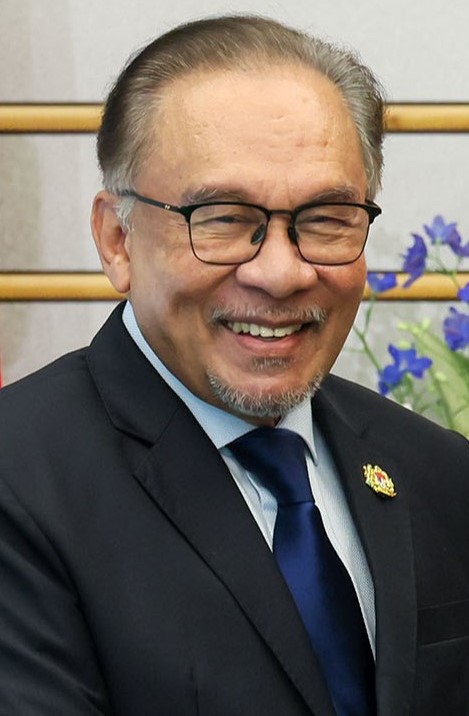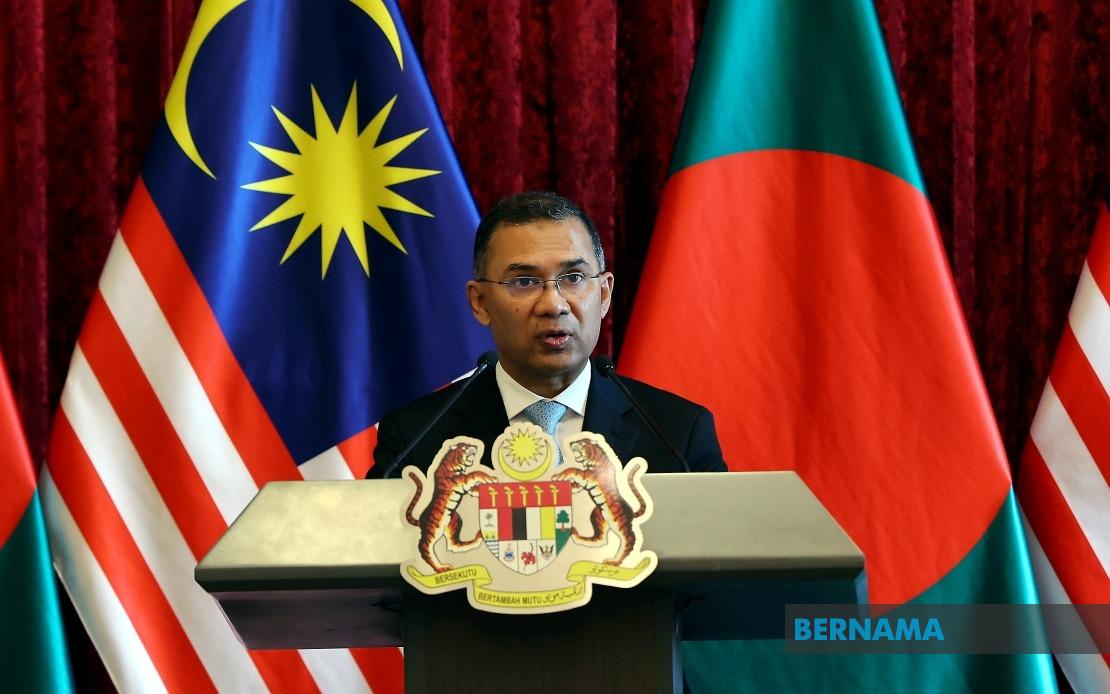
Bangladesh Prime Minister Tarique Rahman has used his inaugural bilateral overseas visit to reaffirm his government's determination to build a closer strategic partnership with Malaysia, underscoring the importance both nations place on sustained engagement across diplomatic, economic, and cultural domains. Speaking alongside Prime Minister Datuk Seri Anwar Ibrahim in Putrajaya on Monday, Rahman highlighted the significance of Malaysia's geopolitical role in Southeast Asia and signalled that strengthening the bilateral relationship ranks among his administration's foreign policy priorities following his assumption of office in February 2026.
The two leaders witnessed the formal signing of a Memorandum of Understanding focused on cultural cooperation, complemented by two separate Exchanges of Notes targeting counter-terrorism research collaboration and investment promotion mechanisms. These instruments reflect a broadened agenda extending beyond traditional trade channels into areas of mutual security concern and economic facilitation—priorities that resonate across the South Asian and Southeast Asian regions where terrorism financing and transnational criminal networks present ongoing challenges. The counter-terrorism research initiative is particularly significant given both nations' positions along maritime trade routes vulnerable to extremist group infiltration and the shared threat landscape across the Indian Ocean.
Rahman's visit, conducted at Anwar's invitation and spanning two days, represents the first high-level bilateral engagement Bangladesh has undertaken since the government's transition earlier this year. The symbolism of selecting Malaysia as the destination for this inaugural journey underscores Dhaka's recognition of the country's steady hand in regional affairs and its alignment with Bangladesh's evolving foreign policy orientation. For Malaysia, hosting the Bangladeshi Prime Minister signals continued commitment to nurturing ties with significant South Asian players, even as the country balances competing interests across multiple regional groupings and bilateral relationships.
Both nations committed to activating existing institutional frameworks for sustained dialogue, specifically citing the joint commission mechanism and regular bilateral consultations between foreign ministers. These formal channels provide structured pathways for addressing disagreements, coordinating positions on shared concerns, and identifying fresh cooperation opportunities. The emphasis on utilising established mechanisms reflects diplomatic maturity and recognition that consistent, regularised engagement produces better outcomes than ad-hoc crisis management. For Malaysian policymakers, maintaining such channels with South Asian counterparts helps cement Southeast Asia's broader integration into the wider Asian regional order.
The leaders discussed pressing international developments, particularly the volatile situation unfolding across West Asia, where both nations maintain significant interests and populations. Bangladesh, hosting nearly a million Rohingya refugees alongside substantial numbers of workers in Middle Eastern nations, faces acute exposure to regional instability, whilst Malaysia similarly hosts significant expatriate communities and maintains considerable economic exposure to Gulf markets. By coordinating perspectives on West Asian developments, the two countries can amplify their voices within multilateral forums and ensure their respective positions reflect shared concerns about regional stability, humanitarian protection, and freedom of navigation.
Rahman specifically commended Malaysia for backing Bangladesh's candidacy for the presidency of the United Nations General Assembly's upcoming 81st session, highlighting the diplomatic support emerging from regional partners. This endorsement carries weight within UN politics, where regional bloc solidarity influences election outcomes and agenda-setting capabilities. A Bangladeshi president of the General Assembly would elevate South Asia's voice within global governance structures and potentially shift focus toward development challenges, climate vulnerability, and migration issues that disproportionately affect countries like Bangladesh. Malaysia's support demonstrates recognition of Bangladesh's growing diplomatic profile and its legitimate claims to representation within global leadership positions.
The two nations reaffirmed their commitment to coordinated action within the United Nations and other international organisations, reflecting an understanding that multilateral forums offer essential platforms for advancing shared interests. Both countries, despite their geographical separation, navigate comparable challenges in balancing development imperatives with security concerns, managing relations with great powers, and advocating for vulnerable populations. Coordinated positioning on issues ranging from climate change and pandemic preparedness to refugee protection and maritime security amplifies the impact of both nations' diplomacy.
Trade between Bangladesh and Malaysia reached RM12.18 billion in 2025, positioning Bangladesh as Malaysia's 28th largest trading partner globally and its second most significant trading relationship within South Asia after India. Malaysia's exports to Bangladesh, valued at RM10.08 billion, comprised predominantly petroleum products reflecting energy import requirements across Bangladesh's manufacturing and power generation sectors. Bangladeshi shipments to Malaysia, totalling RM2.10 billion, centred on textiles, apparel, and footwear—sectors where Bangladesh commands competitive advantages through its vast labour pool and established supply chain infrastructure. This bilateral trade structure reveals complementary economic profiles, with Malaysia providing energy resources and capital-intensive products whilst Bangladesh supplies labour-intensive manufactured goods.
The bilateral trade relationship, though substantial in absolute terms, contains considerable untapped potential. Bangladesh's garment industry, whilst dominant in global markets, could benefit from deeper integration with Malaysian supply chains, logistics networks, and financial services. Conversely, Malaysian manufacturers and service providers could expand footprints within Bangladesh's rapidly growing domestic market, where rising middle-class consumption and infrastructure development create expanding opportunities. Enhanced investment promotion mechanisms, such as those formalised through the Exchanges of Notes, aim to reduce barriers and facilitate business engagement across borders.
The visit occurs within a broader context of Bangladesh reassessing its regional and international positioning following recent political transitions. As the nation pursues economic development targets and addresses longstanding humanitarian challenges, partnerships with stable, prosperous Southeast Asian nations like Malaysia offer pathways to knowledge transfer, investment attraction, and diplomatic coordination. For Malaysia, deepening engagement with Bangladesh strengthens its credentials as a bridge between Southeast Asia and South Asia, reinforcing its role within emerging pluralistic regional architecture encompassing ASEAN, the Bay of Bengal Initiative, and broader Indo-Pacific frameworks.
The emphasis on cultural cooperation through the signed MoU reflects recognition that durable international relationships rest upon people-to-people connections and mutual cultural understanding. Educational exchanges, cultural festivals, and intellectual partnerships build reservoirs of goodwill that transcend political cycles and economic fluctuations. Given the substantial Bangladeshi diaspora communities in Malaysia and growing numbers of Malaysian investors and professionals operating within Bangladesh, culturally rooted initiatives gain practical relevance alongside diplomatic symbolism.
Looking forward, the bilateral relationship trajectory suggests both nations intend to move beyond conventional engagement patterns toward substantive cooperation addressing shared challenges. Whether through enhanced security collaboration, expanded trade facilitation, or coordinated UN positions, the Rahman-Anwar meetings have established a platform for deepening ties at a moment when regional stability and prosperity remain contested and uncertain.