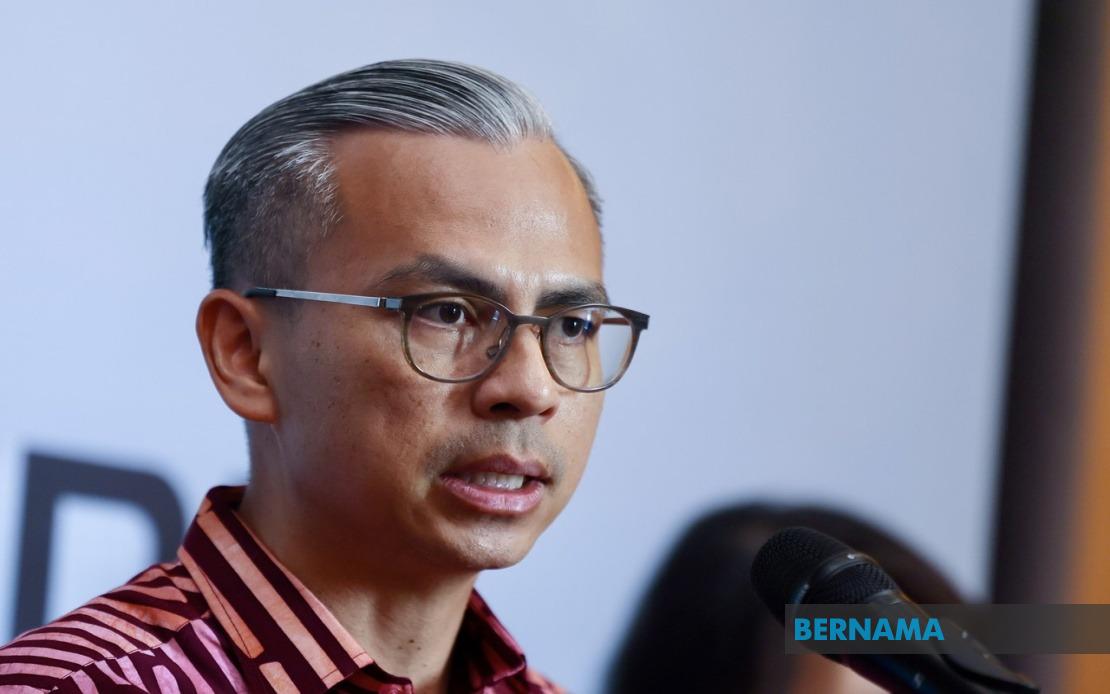
Bank customers experiencing unexpected charges when withdrawing cash at interbank automated teller machines should immediately report the matter to Bank Negara Malaysia, according to Communications Minister Datuk Fahmi Fadzil. The directive comes after a newly implemented fee waiver, which eliminates the RM1 charge for withdrawals at participating bank-owned ATMs, officially commenced yesterday. Any financial institution that continues to collect this fee in violation of the directive now faces potential enforcement action from the central bank, Fahmi indicated during the Communications Ministry's regular media briefing in Kuala Lumpur today.
The scope of the fee waiver is considerably extensive, encompassing approximately 16,000 automated teller machines, which represents roughly 84 per cent of all bank-owned machines operating throughout Malaysia. This substantial coverage means the vast majority of customers should benefit from fee-free interbank cash withdrawals when using machines belonging to banks that participate in the shared ATM network arrangement. Fahmi explained that the decision to implement this waiver reflects the government's commitment to reducing financial burdens on ordinary Malaysians and improving access to banking services across the country.
However, customers must exercise caution when selecting which machines to use, as not all ATMs qualify for the waiver. The remaining 16 per cent of machines are owned and operated by private non-banking companies under their own commercial arrangements, separate from the banking network. These independently operated facilities retain the right to continue charging the RM1 withdrawal fee, as they fall outside the scope of the central bank's directive. This distinction has created some confusion among consumers unfamiliar with the different operational structures in Malaysia's banking infrastructure.
To navigate this distinction effectively, Fahmi advised customers to look for the logos and branding of recognizable banks displayed prominently on the machines before completing their transactions. Bank-owned ATMs will clearly identify their parent institution through official signage and graphics, whereas privately operated machines typically advertise their independent operators. This simple identification method should help ordinary Malaysians avoid inadvertently using machines that continue to impose charges, thereby protecting their wallets during everyday banking activities.
The implementation clarification emerged in response to mounting confusion on social media platforms, where customers questioned whether the waiver applied universally across all automated teller machines. BNM had found it necessary to reiterate the specific parameters of the policy to prevent widespread misunderstanding about which facilities would honor the fee exemption. Public confusion of this nature can undermine the effectiveness of consumer protection policies, so clear communication from authorities becomes essential.
The Association of Banks in Malaysia and the Malaysian Islamic Banking and Financial Institutions Association are preparing a joint explanatory statement to provide additional comprehensive details regarding the practical implementation of the fee waiver. This coordinated approach by the industry's major representative bodies suggests an effort to ensure consistent application of the policy across all participating institutions and to furnish customers with accessible, detailed guidance on how the system will function in practice.
Beyond domestic financial matters, Fahmi used the press conference to highlight Malaysia's expanding appeal as an international investment destination. An overseas financial technology enterprise has established a Global Development Centre at Tun Razak Exchange, marking a significant milestone in the country's aspirations to position itself as a leading hub for digital innovation and financial technology advancement, particularly within the emerging field of Agentic AI. This investment represents the inaugural establishment of such a facility by this particular international company anywhere within Malaysia's borders.
The strategic investment decision by this prominent financial technology corporation underscores growing confidence among international investors regarding Malaysia's political environment and economic direction. Fahmi characterized the move as validation of the stability and policy coherence demonstrated under the MADANI Government framework, suggesting that foreign investors perceive Malaysia as a secure and promising location for major technological and financial initiatives. Such confidence proves crucial for attracting the high-value investments necessary to transform Malaysia into a regional and global innovation powerhouse.
The parallel announcements regarding both consumer financial protection and foreign investment attraction illustrate the government's multifaceted approach to economic policy. While immediate measures like the ATM fee waiver address pressing concerns affecting ordinary citizens' daily financial transactions, longer-term initiatives focused on attracting world-class technology companies position Malaysia for sustained economic competitiveness and job creation. This balanced strategy attempts to demonstrate responsiveness to grassroots economic concerns while simultaneously pursuing transformative economic opportunities at the highest levels.
For Malaysian consumers, the practical implication remains straightforward: verify that any ATM displaying your bank's logo is genuinely operated by that financial institution before completing your withdrawal. In cases where doubt arises, contacting your bank directly provides absolute certainty. The BNM welcomes customer reports of any violations, and such intelligence helps regulators monitor compliance and enforce the policy effectively across the banking sector, ultimately protecting consumer interests throughout the country.

