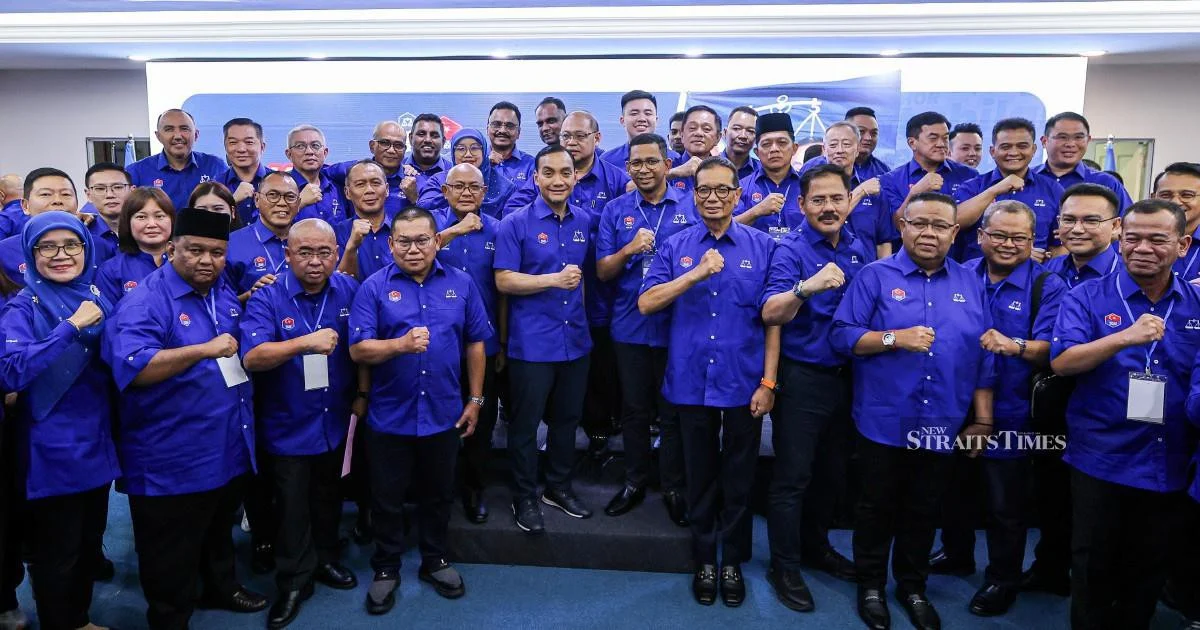
Barisan Nasional's refreshed slate of candidates in Johor has signalled determination to capture victory in the state's legislative elections scheduled for July 11, with emerging party members from the coalition's various component organisations pledging to mount a vigorous electoral campaign across the state.
The presence of new political faces represents a deliberate strategy by BN to rejuvenate its presence in Johor, traditionally a stronghold of the coalition and home to significant electoral influence in Malaysian politics. By elevating candidates without extensive parliamentary records, the coalition aims to project an image of renewal while retaining the organisational infrastructure that has sustained its dominance in the state for decades. This generational transition reflects broader calculations within BN leadership about voter sentiment and the perceived need to distance certain candidates from controversies that have affected public confidence in the coalition during previous electoral cycles.
Johor's political significance extends beyond state-level concerns, as the southern state's electoral performance frequently influences broader national political trajectories. The state commands substantial parliamentary representation and has historically served as either a power base or vulnerability for whichever coalition controls it. For BN, maintaining command of Johor represents both a defensive imperative against opposition gains and an opportunity to demonstrate renewed appeal across Malaysia's demographic and geographic spectrum.
The timing of the July 11 election places it within a compressed political calendar that has seen multiple electoral contests unfold in quick succession across Malaysian states. This compressed timeline creates particular challenges for campaign organisation and voter engagement, requiring candidate selection processes that prioritise both organisational reliability and public appeal. The deployment of new faces must therefore balance the need for proven party loyalty with demonstrated capacity to connect with contemporary voter concerns ranging from economic hardship to infrastructure development.
Component parties within the BN coalition have historically maintained distinct organisational structures and candidate recruitment processes, though they coordinate through the coalition's central apparatus. The commitment from multiple component parties to field new candidates suggests coordination at the leadership level to present a unified campaign narrative while allowing individual parties to maintain their separate identities and bases of support within the broader alliance. This balancing act has become increasingly complex as Malaysia's political environment grows more volatile and voters demonstrate greater willingness to shift support between competing coalitions.
The new candidates' determination to secure victory must contend with evolving voter dynamics in Johor. Younger voters increasingly evaluate political parties on specific policy platforms rather than historical affiliation, while urban constituencies have demonstrated greater volatility in their voting patterns compared to previously reliable rural divisions. The candidates' messaging will therefore require addressing concrete concerns about cost of living pressures, employment opportunities, and social service delivery rather than relying solely on traditional appeals to coalition loyalty.
Johor's economic position as Malaysia's second-largest state economy adds particular weight to state-level political outcomes. Development projects, infrastructure investments, and regulatory frameworks affecting businesses operating in the state frequently feature in electoral campaigns. New candidates will likely emphasise their vision for Johor's economic development, positioning themselves as forward-thinking alternatives to existing political personalities while maintaining continuity with BN's broader policy commitments.
Opposition coalitions have simultaneously strengthened their organisational presence in Johor through previous electoral campaigns, creating a more competitive environment than the state historically experienced when BN dominated with overwhelming margins. The presence of credible opposition alternatives means that new BN candidates cannot rely on default support but must actively persuade voters of their merit and their coalition's relevance to contemporary governance challenges. This competitive intensity has elevated the importance of candidate selection processes and campaign resource deployment.
The July 11 election provides an early indicator of whether BN's generational renewal strategy resonates with voters or whether the electorate views new candidates sceptically. Success would vindicate the coalition's approach to managed succession and political refreshment, potentially influencing candidate selection strategies for future federal parliamentary elections. Conversely, disappointing results would prompt questions about whether voter sentiment has fundamentally shifted away from established coalitions regardless of candidate composition.
Regional implications extend across Southeast Asia, where Malaysia's political evolution frequently influences debates about coalition governance, electoral competition, and democratic contestation within comparable political systems. Developments in Johor therefore receive attention from political observers evaluating how established regional political forces adapt to changing electoral dynamics and demographic shifts that characterise contemporary Southeast Asian politics.
The campaign period between the candidate announcement and polling day will test whether these new BN representatives can translate organisational backing into voter support. Success in Johor would consolidate the coalition's grasp on one of Malaysia's most politically significant states and provide momentum heading toward subsequent electoral contests. The outcome will substantially shape the broader trajectory of Malaysian political competition and coalition dynamics in the coming months and years.

