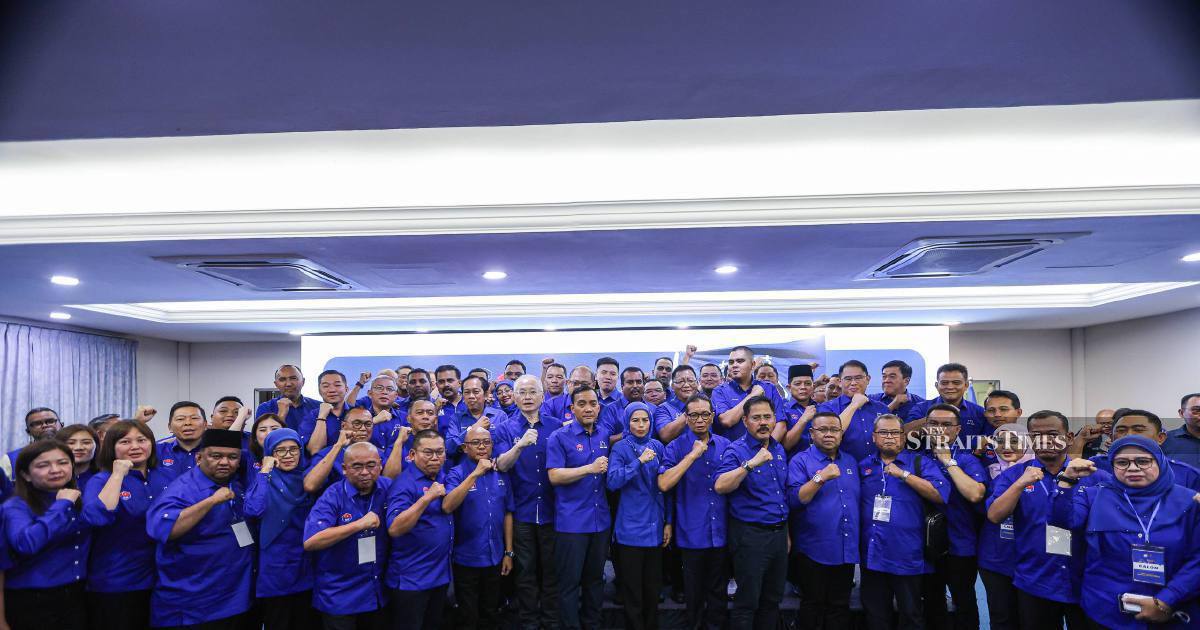
Barisan Nasional has formally revealed its comprehensive slate of 56 candidates competing in the forthcoming Johor state election on July 11, underlining the coalition's determination to maintain its traditional stronghold in the resource-rich state. The announcement, made in Johor Baru, represents a critical juncture in the political calendar as the peninsula's second-largest state by population prepares for what is expected to be a closely contested electoral battle.
The decision to field candidates across all 56 state assembly seats demonstrates BN's confidence in its organisational capacity and ground machinery, despite facing persistent challenges from opposition coalitions across Malaysia. This comprehensive deployment strategy reflects the coalition's assessment that it remains competitive even in constituencies where it faces headwinds from changing voter preferences and demographic shifts. For Malaysian politics watchers, the Johor election holds outsized significance given the state's economic importance and its historical role as a bellwether for broader political trends affecting the federal government.
Johor has long served as BN's electoral fortress, with the coalition holding the state government continuously except for a brief interregnum. The state's political stability and its contribution to the federal treasury have made it a prize that national party leaderships fiercely contest. The selection of candidates reflects internal party dynamics and the need to balance representation among BN's component parties, including UMNO, MCA, and MIC, while also accommodating the demands of coalition partners in Peninsular Malaysia.
The candidate announcement process itself carries political weight beyond mere procedural significance. The identities chosen signal party leaders' judgments about which personalities can deliver in their respective constituencies and which emerging figures merit elevation to higher political office. Incumbent assemblymen seeking re-election compete for nomination against rising party operatives and local notables, creating internal tensions that, if handled poorly, can undermine grassroots cohesion during the campaign period.
The timing of the election in mid-July presents logistical challenges for campaigning in Johor's tropical climate and could influence voter turnout, particularly in rural constituencies where transportation and access to polling stations remain considerations. Election fever in Johor typically energises political activity throughout the peninsula, as federal politicians descend on the state to support their respective factions and candidates. The concentration of campaign activity during the school holidays may also affect voter participation among younger demographics and families.
Opposition coalitions have similarly mobilised to contest the election, with Pakatan Harapan fielding its own candidates across numerous seats and attempting to expand its footprint in a state where it has historically struggled to establish dominance. The three-way contest between BN, Pakatan Harapan, and other political forces creates unpredictable dynamics that could produce surprises in individual constituencies even if broader state-level trends favour the incumbent coalition. Swing voters in Johor have demonstrated increasing sophistication in recent cycles, voting differently at state and federal elections and responding to local issues as much as national political narratives.
The socioeconomic profile of Johor presents distinct challenges and opportunities for political mobilisation. The state encompasses prosperous urban centres like Johor Baru and Kuala Lumpur's southern satellites, alongside more traditional Malay-Muslim rural constituencies and important Chinese and Indian minority communities in towns and estates. Each demographic segment brings different policy priorities and voting calculus to the election equation, requiring candidates and parties to craft messaging that resonates across this diversity.
BN's candidate selection process would have involved consultations with state leadership, party divisions at the federal level, and navigation of rivalries between ambitions within component parties. The final roster represents compromises struck between contending interests, and any perception of unfairness in nominations could create resentment that manifests as reduced volunteer enthusiasm or lower vote mobilisation in affected constituencies. Malaysian political history demonstrates that nomination disputes occasionally foreshadow poor electoral performance if grievances are not properly managed.
For Southeast Asia's broader political observers, the Johor election serves as an important datapoint on Malaysia's democratic health and the trajectory of the country's leading political coalition. The state election will occur within weeks of several other regional political contests and can influence sentiment about electoral patterns across the wider region. International observers often scrutinise Malaysian state elections as indicators of federal political stability and public confidence in governance.
The campaign period ahead will test BN's ability to articulate a compelling vision for Johor's future while managing internal party cohesion and responding to opposition attacks. Candidate quality, campaign finance discipline, and the resonance of respective manifestos will determine whether the coalition reinforces its hold on the state or whether erosion of its support becomes evident in the ballot box. As one of Malaysia's most important electoral contests in the current political cycle, the Johor election will command intense scrutiny from political analysts, party strategists, and observers of Southeast Asian politics throughout the campaign and voting process.

