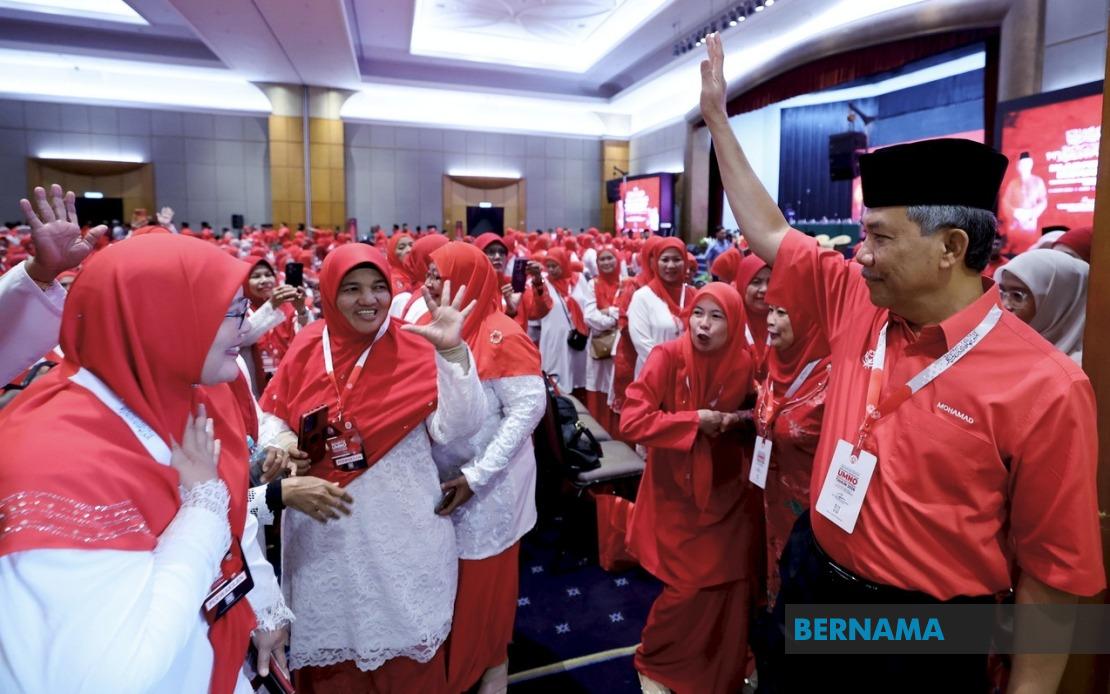
The Barisan Nasional coalition is preparing to overhaul its approach to seat allocation in Negeri Sembilan's state election scheduled for August 1, departing from entrenched practices that have governed candidate distribution for decades. This strategic recalibration, announced by BN deputy chairman Datuk Seri Mohamad Hasan during a party gathering in Seremban, signals growing recognition within the coalition that demographic shifts and changing voter preferences demand a fresh electoral calculus.
Mohamad explained that the electoral landscape across most state constituencies has undergone substantial transformation, making the continuation of historically fixed seat assignments increasingly untenable. Under the traditional model, component parties within BN operated under rigid arrangements—wherein specific seats were allocated to particular parties regardless of prevailing conditions—a system that effectively froze candidate selection and limited voter choice. The proposed restructuring aims to break this pattern by allowing flexibility in how constituencies are distributed among coalition partners based on contemporary assessments of electoral viability.
The rationale underpinning this shift reflects pragmatic thinking about coalition management. Rather than defaulting to the inherited formula of "seats 1, 2, 3, 4 belong to Party A," the new framework would enable BN component parties to contest in constituencies where they perceive genuine prospects of electoral victory. This approach theoretically maximizes the coalition's total seat count by deploying resources and candidates more strategically across the state. Mohamad underscored that such flexibility also restores meaningful choice to voters, who under the old system had limited influence over which candidates materialized in their constituencies.
The BN leadership's willingness to revisit entrenched seat-sharing arrangements indicates awareness of the competitive pressures facing the coalition. Malaysia's electoral terrain has become considerably more fluid since the 2018 general election, with voters increasingly responsive to local conditions and candidate quality rather than reflexive party loyalty. Negeri Sembilan, whilst historically a BN stronghold, is not immune to these broader trends. Previous election results will serve as a diagnostic tool for identifying constituencies where demographic composition and voting patterns suggest receptiveness to particular coalition components, allowing data-driven rather than tradition-bound decision-making.
However, Mohamad emphasized that any comprehensive seat-sharing arrangement remains subject to approval by the BN Supreme Council at the national level, indicating that these preliminary discussions will ultimately require central coordination among coalition partners. This hierarchical decision-making structure reflects the complex negotiations required when multiple parties must agree on seat distribution. The condition that all division heads submit candidate lists with at least three nominees per constituency suggests that the process aims to balance centralized strategic guidance with ground-level party autonomy, ensuring sufficient options for final selection.
The urgency characterizing this process cannot be overlooked. With candidate names scheduled for announcement on July 15 during the launch of BN's election machinery, and nomination day fixed for July 18, the coalition faces a compressed timeline for concluding internal negotiations. This accelerated schedule underscores the importance BN leadership places on presenting a unified front immediately and avoiding the spectacle of contentious seat negotiations that might undermine campaign momentum. Malaysian voters remain sensitive to perceptions of internal discord within political formations, viewing public disagreements as indicators of organizational dysfunction.
Mohamad also sounded a cautionary note regarding internal cohesion, explicitly referencing past electoral setbacks attributable to sabotage by party members who felt marginalized by candidate selection decisions. This concern carries particular weight in the Malaysian context, where intra-party disputes have historically translated into reduced voter turnout among disaffected party supporters or, worse, active undermining of the chosen candidate. The implicit message to BN component parties is that seat redistribution, whilst potentially painful for some, serves the coalition's broader electoral interests and demands subordination of individual grievances to collective strategy.
Personally, Mohamad declined to confirm whether he would contest the Rantau state seat, which he has represented since 2004. His reticence suggests that the seat-reallocation process may extend to senior figures within the coalition, a development that would signal genuine structural reform rather than merely cosmetic adjustments. Whether Mohamad himself participates in this process or steps aside for another candidate could serve as a barometer of how comprehensively BN is willing to reimagine its electoral approach across all levels.
The implications of this strategic recalibration extend beyond Negeri Sembilan's state boundaries. As a significant BN stronghold and an important swing state in Malaysia's broader political equilibrium, developments in Negeri Sembilan often provide templates for coalition management nationwide. Should the revised seat-sharing formula prove electorally successful, it may establish a precedent for similar restructuring ahead of future federal elections, particularly the next general election anticipated within the coming years. Conversely, if the new approach generates friction among component parties or disappoints electorally, it may reinforce arguments favoring the stability of traditional arrangements.
For Malaysian voters and political observers, this moment represents a wider inflection point in how established political coalitions respond to electoral volatility. The Negeri Sembilan election serves as a test case for whether sophisticated demographic analysis and strategic flexibility can sustain coalition competitiveness in an era when voter attachments have become more conditional and issue-driven. The August 1 polling will ultimately reveal whether abandoning traditional rigidities in favor of adaptive seat-sharing genuinely translates into improved electoral performance or whether such calculations prove secondary to candidate quality, local sentiment, and broader national political currents.

